Wisconsin Confirms First Cattle EHD Case Since 2013
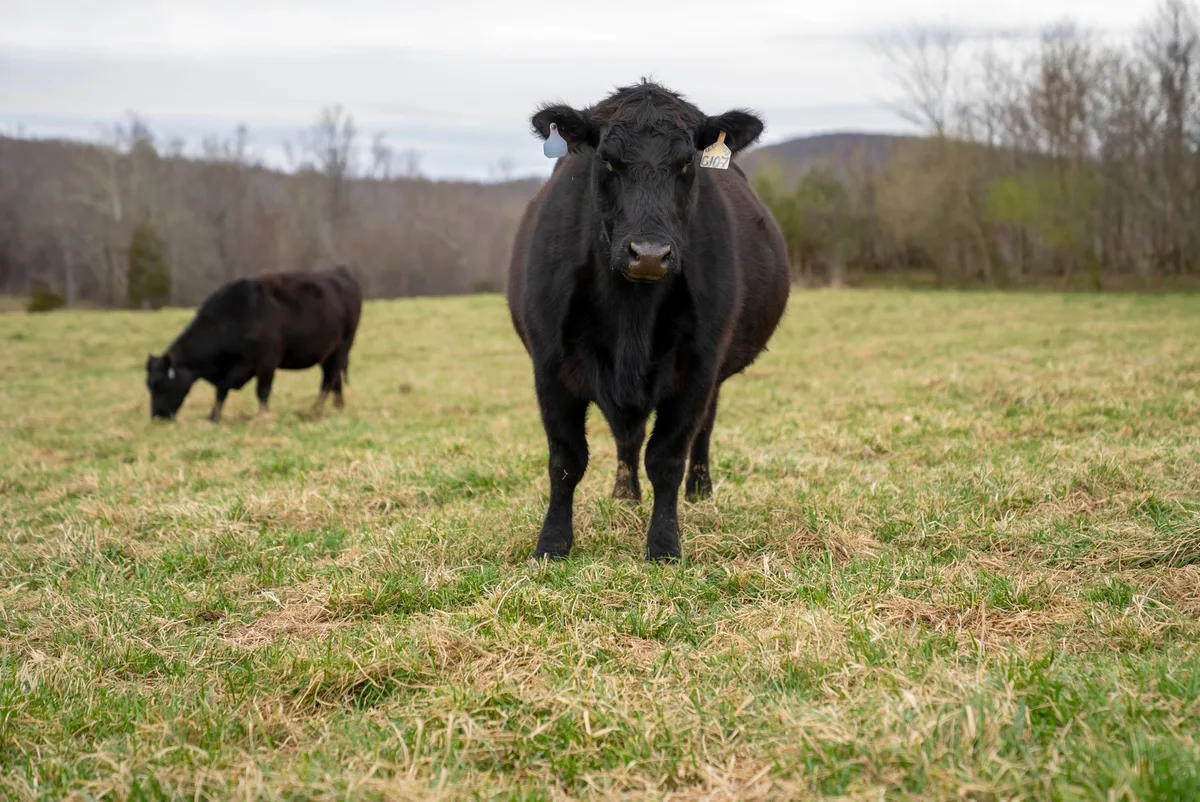
Wisconsin confirmed epizootic hemorrhagic disease in cattle in Waukesha County, the state’s first cattle detection since 2013, amid an outbreak affecting deer in several counties. Cattle infections are usually mild or symptomless; the virus spreads through biting midges, cases typically decline after a hard frost, and officials say it poses no risk to people.
Health · 14 sources · Oct 1, 2026Read itThe journal
Open the journal →The conversation starts in the journal — be the first to post.
About Epizootic Hemorrhagic Disease
Epizootic hemorrhagic disease (EHD) is a hemorrhagic disease of white-tailed deer caused by an infection of a virus from the genus Orbivirus subsequently called Epizootic hemorrhagic disease virus (EHDV). It is an infectious, and sometimes fatal, virus that is characterized by extensive hemorrhages, and is found throughout the United States. Large-scale outbreaks in wild ruminants affect livestock and the production industry. EHD has been found in some domestic ruminants and many species of deer including white-tailed deer, mule deer, elk, and pronghorn antelope. Seropositive black-tailed deer, fallow deer, red deer, wapiti, and roe deer have also been found, which essentially means that they were exposed to the disease at some time in the past but may not be involved in transmission. Outbreaks of EHD have been reported in cattle, although they rarely develop disease or die. Sheep may develop clinical signs, but this is also rare.
Everything about Epizootic Hemorrhagic Disease →