Career
Siegel found work in the Warner Bros. film library after meeting producer Hal Wallis, and later rose to head of the montage department, where he directed thousands of montages, including the opening montage for Casablanca. In 1945, two shorts he directed, Star in the Night and Hitler Lives, won Academy Awards, which launched his career as a feature director. Siegel directed whatever material came his way, often transcending the limitations of budget and script to produce interesting and adept works. His 1954 prison thriller Riot in Cell Block 11, shot on-location at Folsom State Prison, was noted by auteurist critics of the French New Wave era, and earned Siegel a Directors Guild of America Award nomination
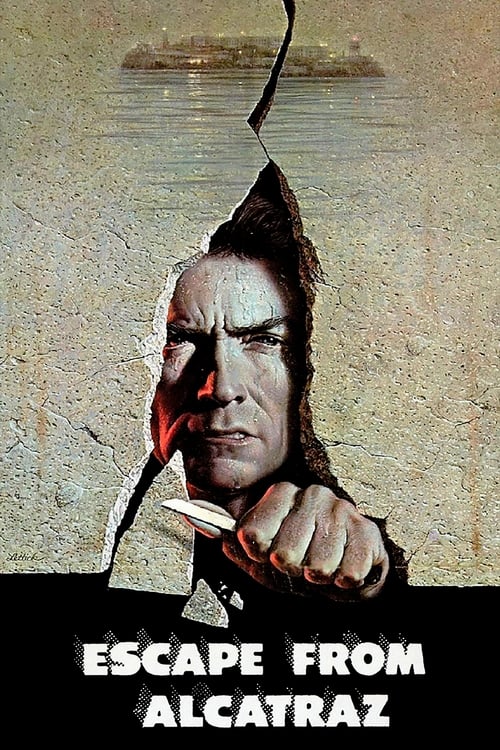
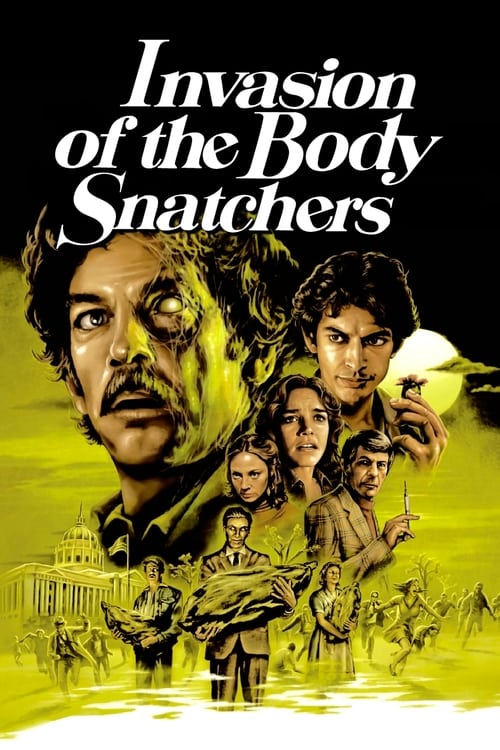
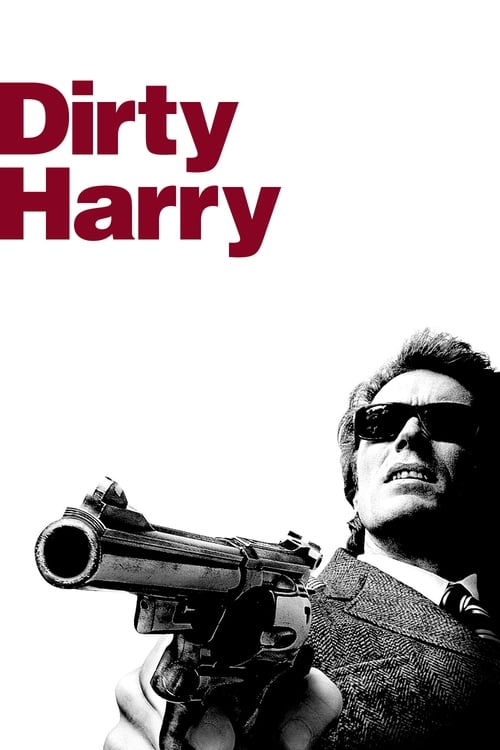
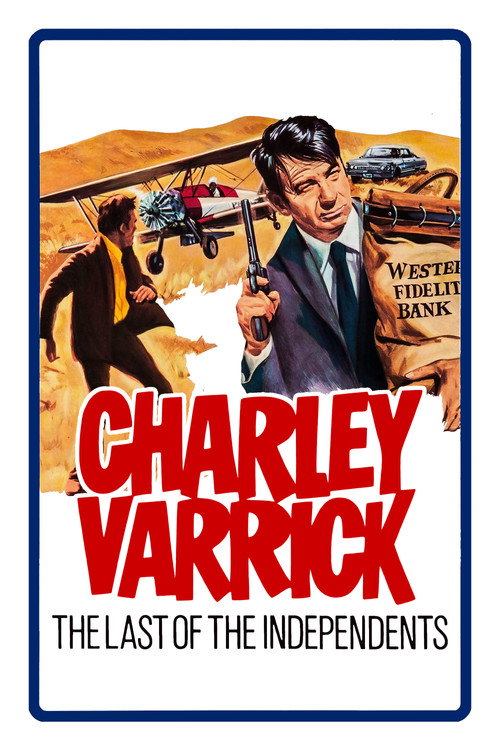
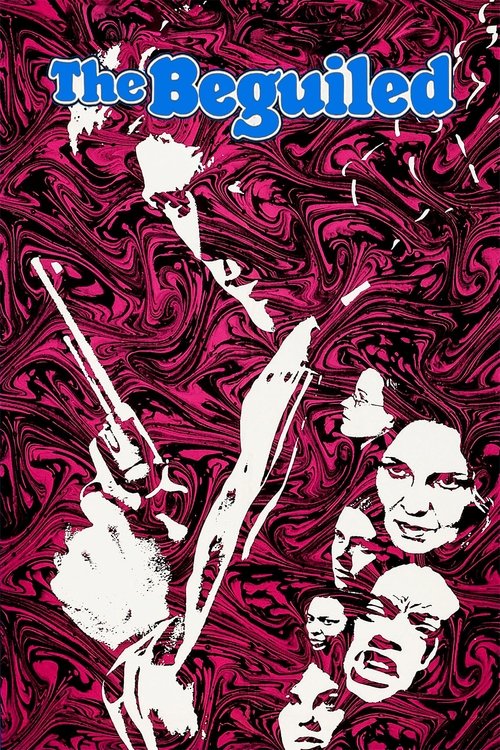
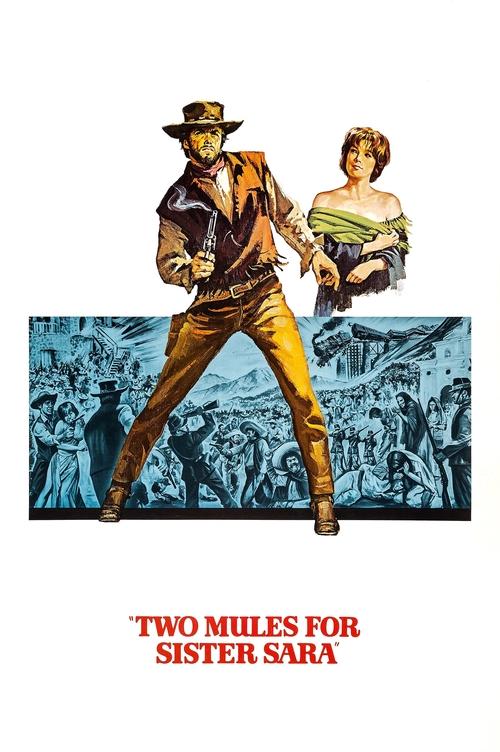
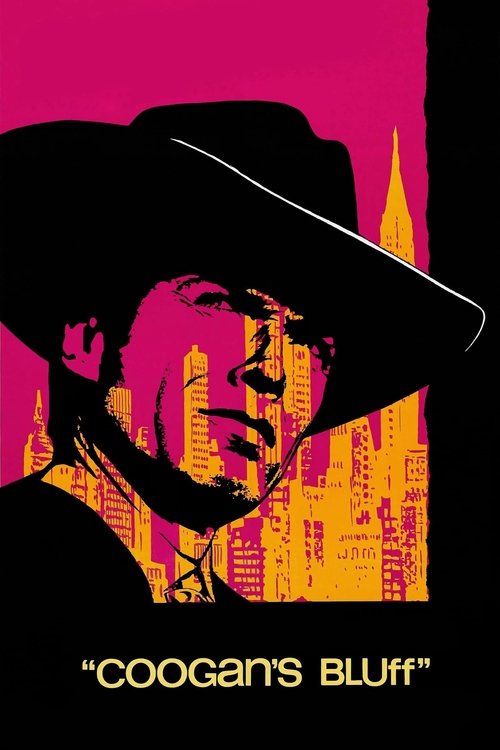
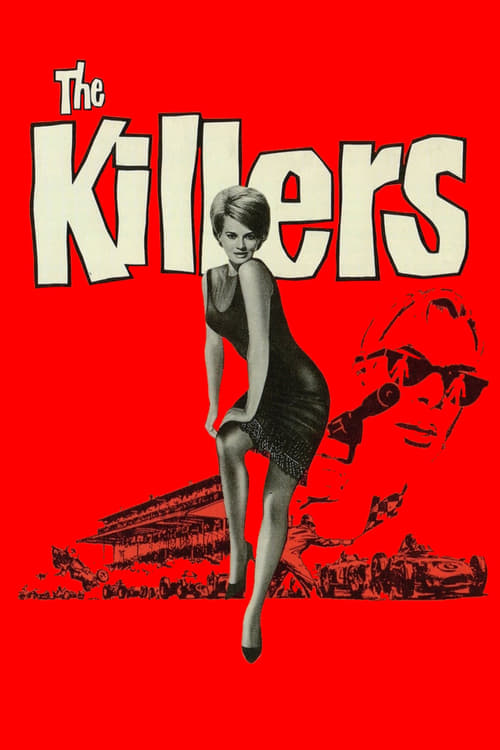
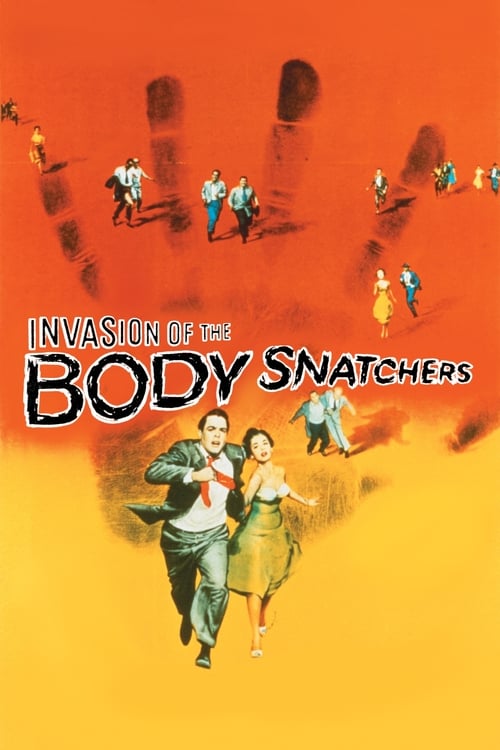
Siegel made the original Invasion of the Body Snatchers (1956), described by The Guardian in 2014 as a "fatalistic masterpiece" and "a touchstone for the sci-fi genre" which spawned three remakes. For television, he directed two episodes of The Twilight Zone, "Uncle Simon" (1963) and "The Self-Improvement of Salvadore Ross" (1964), and was the producer of The Legend of Jesse James (1965). He worked with Eli Wallach in The Lineup, Elvis Presley and Dolores del Río in Flaming Star (1960), with Steve McQueen in Hell Is for Heroes, and Lee Marvin in the influential The Killers (1964) before directing five of Eastwood's films that were commercially successful in addition to being well received by critics. These included the action films Coogan's Bluff and Dirty Harry, the Albert Maltz-scripted Western Two Mules for Sister Sara, the American Civil War melodrama The Beguiled, and the prison-break picture Escape from Alcatraz. Siegel also directed Charley Varrick starring Walter Matthau, which was originally slated for Eastwood, but ultimately turned down by the actor. He was a considerable influence on Eastwood's own career as a director, and Eastwood's film Unforgiven is dedicated "for Don and Sergio".
Siegel had a long collaboration with composer Lalo Schifrin, who scored five of his films: Coogan's Bluff, The Beguiled, Dirty Harry, Charley Varrick, and Telefon. Schifrin composed and recorded what would have been his sixth score for Siegel on Jinxed! (1982), but it was rejected by the studio despite Siegel's objections. This conflict was one of several fights Siegel had on his last film.
Siegel was also important to the career of director Sam Peckinpah. In 1954, Peckinpah was hired as a dialogue coach for Riot in Cell Block 11. His job entailed acting as an assistant to the director, Siegel. The film was shot on location at Folsom Prison. Siegel's location work and his use of actual prisoners as extras in the film made a lasting impression on Peckinpah. He worked as a dialogue coach on four additional Siegel films: Private Hell 36 (1954), An Annapolis Story (1955), Invasion of the Body Snatchers (1956), and Crime in the Streets (1956). Twenty-five years later, Peckinpah was all but banished from the industry due to his troubled film productions. Siegel gave the director a chance to return to filmmaking. He asked Peckinpah if he would be interested in directing 12 days of second unit on Siegel's Jinxed! film. Peckinpah immediately accepted, and his earnest collaboration with his longtime friend was noted within the industry. While Peckinpah's work was uncredited, it led to his hiring as the director of his final film The Osterman Weekend (1983).