Development and production
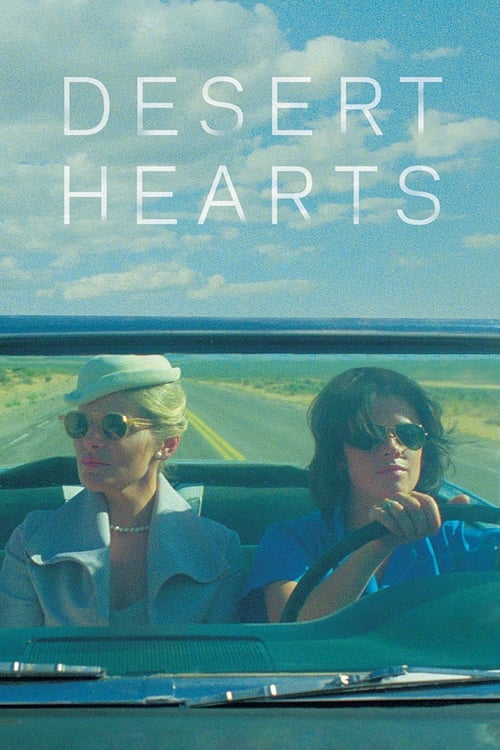
Desert Hearts is loosely based on the 1964 romance novel Desert of the Heart by Jane Rule. In 1979, Donna Deitch was searching for a story about a lesbian romance that "was mainstream, not in the context of the women's community or (New York's) the Village." The first draft of the screenplay, written by Deitch, followed the original story, but when Natalie Cooper was hired as the screenwriter she veered away from it. The names of the main characters were changed: Evelyn Hall became Vivian Bell and Ann Childs became Cay Rivers. Other characters were minimized or excluded, subplots were eliminated, and the love scene was made explicit. Jane Rule described the film as "beautifully simplified".
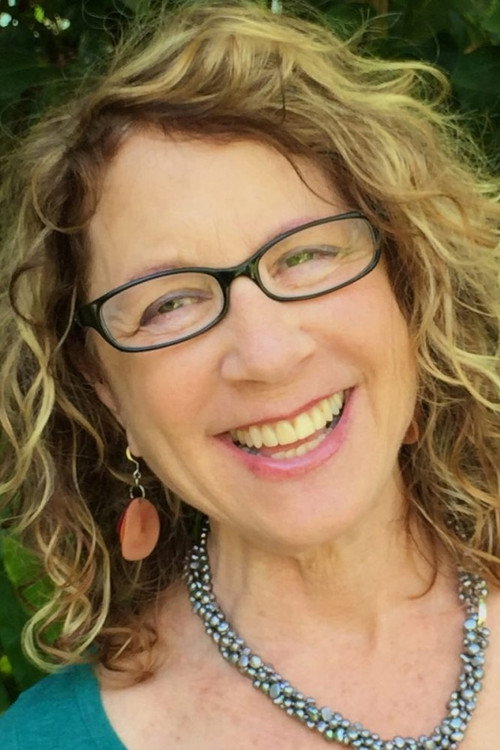
Deitch raised the $1.5 million needed for the production budget with a $20,000 grant from the National Endowment for the Arts and sales of $15,000 shares to stock brokers and individual investors. The largest group of investors were lesbian and feminist women in several cities of the U.S., and the largest single investor was a gay man. She gave fundraising parties and published a regular newsletter to keep investors informed about the project's development. Raising funds took almost four years. It has been falsely reported that she had to sell her house to complete the film. In a 1991 interview with The Guardian, Deitch said that: "In San Francisco I sold it as politics. In New York as Art. In LA I convinced them it would be a box office hit." It took nearly six years for Deitch to bring Desert Hearts to theater screens.
Deitch encountered difficulty finding actresses who would portray lesbians without reserve with many refusing to audition for the film. Patricia Charbonneau was the first actress to be cast and went to Los Angeles with Deitch so she could audition with those reading for the role of Vivian Bell. Deitch noticed the chemistry between Charbonneau and Helen Shaver immediately. She persuaded actors to work for scale, and after casting completed, the film was shot on location in Reno in 31 days. Limited funds often necessitated filming two scenes in one day, with little room for retakes. Renting space in a real casino was out of the question and a dressed set in a room of an abandoned hotel served as the gambling casino in the film.
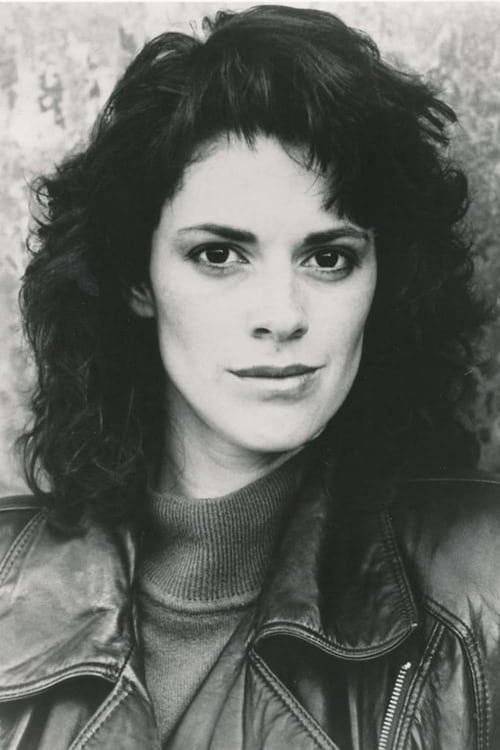
Desert Hearts was Patricia Charbonneau's film debut. The contract with Charbonneau and Shaver obligated them to perform the sex scene in the hotel room without body doubles and to be nude on camera from the waist up. The scene was shot on the second-to-last day of filming, with cinematographer Robert Elswit and a boom operator as the only crew members present. The Samuel Goldwyn Company insisted in having the scene cut down but Deitch refused. In a 1986 Los Angeles Times interview, Helen Shaver described it as being "profoundly intimate".
Deitch became the first lesbian director to have a sex scene between women seen by general movie theater audiences. She was surprised to learn 20 years after the film's release that Helen Shaver and Patricia Charbonneau were told by their friends and agents that the film would ruin their careers.
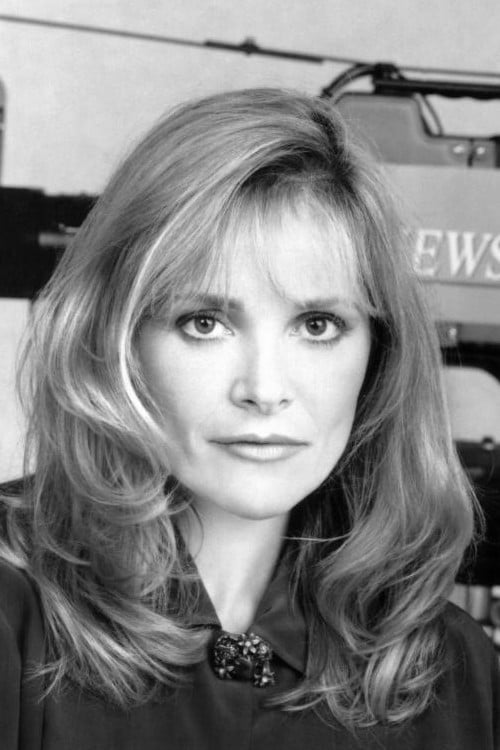
In a 1986 Globe and Mail interview, Shaver said that she was being considered for a role in Joshua Then and Now, which would have promoted her career much farther than Desert Hearts. Donna Deitch assured her over the phone that she was right for her movie and told her she refused to hang up the phone until she got an answer. After five minutes, Shaver accepted the role. Shaver explained her feelings about the film. "I was scared, not about the lesbianism — the script said, 'The passion builds' in the love scene, so once I knew how the passion built and where the camera would be, that was fine — but because someone wanted me to do what I'd wanted to do all along, and here it was, and all I had to do was say yes. I had always wanted to carry a movie. Now, if I never make another one, I've done this. For the first time, I feel I've done a complete work on film."
An original 35 mm print of Desert Hearts was donated to the Outfest UCLA Legacy Project for LGBT Film Preservation at the UCLA Film & Television Archive. In celebration of its 30th anniversary, Deitch's personal 35 mm print was screened at The Museum of Modern Art in December 2016.
Desert Hearts was digitally restored by the UCLA Film & Television Archive and the Criterion Collection/Janus Films in conjunction with the Outfest UCLA Legacy Project and the Sundance Institute.
In April 2016, Donna Deitch announced that she was fundraising to produce a sequel to Desert Hearts, to be set in New York City during the women's liberation movement.