Development
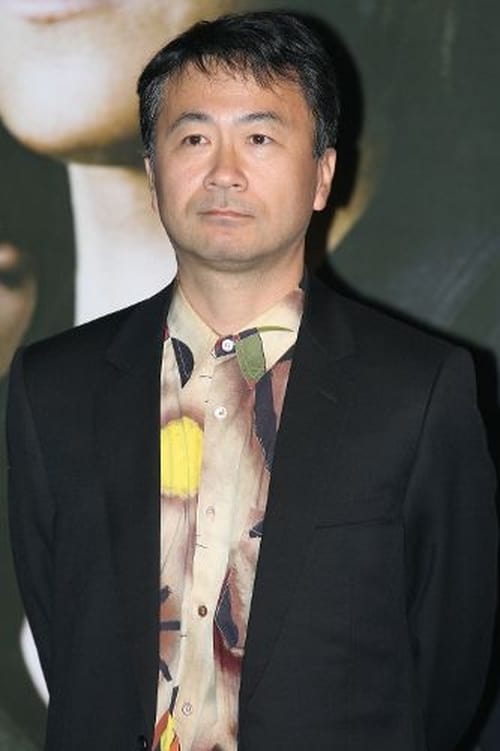
In his production notes, director Shusuke Kaneko explained his desire to convince audiences that, while the killing of bad humans may seem to be fair, it underestimates the corrupting influence of wielding such power (the manga series follows a very similar viewpoint). Kaneko also commented that the psychological fear of dying could be "more nightmarish than Kaiju (monsters) destroying cities and killing people".
Kaneko also stated that he wanted the film to "focus on psychological pain", explain how the deaths occur, and explain how younger people would begin to like Kira. He also removed many of the interior monologues prominent in the manga and anime to allow audiences to develop their own ideas about the characters' thoughts and beliefs, while allowing "dramatic tension".
Kaneko said that the most difficult portion of the manga to film was the scene when the investigation begins and the authorities conclude that a person is responsible for the killing of criminals. He chose to add a scene in which L explains his logic via his laptop in order to make the film "more believable" and "excite people" for the coming struggle between L and Light.
Kaneko indicated mixed feelings while directing the movie. He said that he felt "a little reservation" at how the movie would perform, since the film "uses 'death' to entertain the audience" and feels "morally unsettling". Kaneko theorized that the film may have performed well because of the Internet culture of Japan, saying that the use of the Death Note had similarities to how users attacked one another on message boards and blogs. In addition, Kaneko noted that death is "carefully" concealed, to the point where "people don't even think about it".
The owner of the Death Note copyright required Kaneko to not change any of the rules of the Death Note, and as the film was developed, new rules of the Death Note were added in the original manga. Kaneko described adhering to this condition as the most difficult aspect of making the film.