Politics
The pandemic affected political systems, causing suspensions of legislative activities, isolations or deaths of politicians, and rescheduled elections. Although they developed broad support among epidemiologists, NPIs (non-pharmaceutical interventions) were controversial in many countries. Intellectual opposition came primarily from other fields, along with heterodox epidemiologists.
The pandemic (and the response of Brazilian politicians to it) led to widespread panic, confusion, and pessimism in Brazil. When questioned regarding record deaths in the country in April 2020, Brazilian president Jair Bolsonaro said "So what? I'm sorry. What do you want me to do about it?" Bolsonaro disregarded WHO-recommended mitigation techniques and instead downplayed the risks of the virus, promoted increased economic activity, spread misinformation about the efficacy of masks, vaccines, and public health measures, and distributed unproven treatments including hydroxychloroquine and ivermectin. A series of federal health ministers resigned or were dismissed after they refused to implement Bolsonaro's policies.
Disagreements between federal and state governments led to a chaotic and delayed response to the rapid spread of the virus, exacerbated by preexisting social and economic disparities in the country. Employment, investment, and valuation of the Brazilian real plummeted to record lows. Brazil was also heavily affected by the Delta and Omicron variants. At the height of the outbreak in the spring of 2021, 3,000+ Brazilians were dying per day. Bolsonaro's loss to Lula da Silva in the 2022 presidential election is widely credited to the former's mishandling of the pandemic.
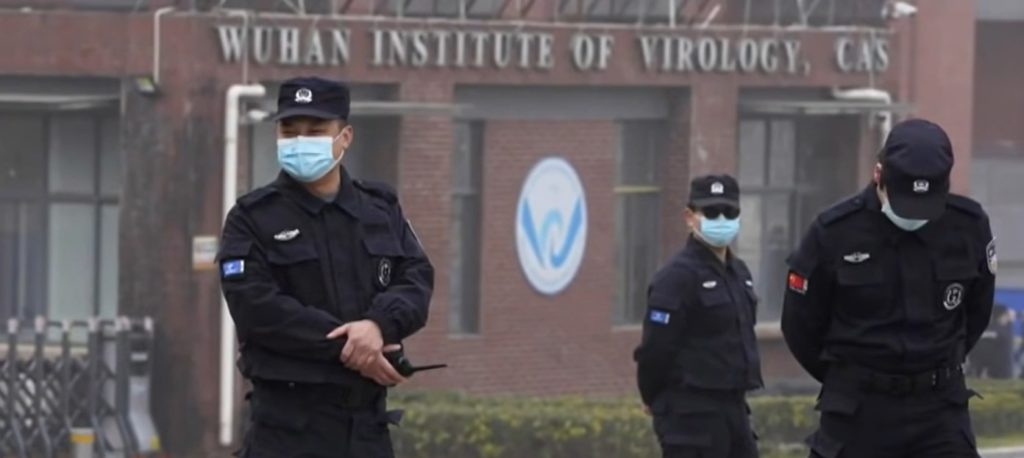
Multiple provincial-level administrators of the Chinese Communist Party (CCP) were dismissed over their handling of quarantine measures. Some commentators claimed this move was intended to protect CCP General Secretary Xi Jinping. The US intelligence community claimed that China intentionally under-reported its COVID-19 caseload. The Chinese government maintained that it acted swiftly and transparently. Journalists and activists in China who reported on the pandemic were detained by authorities, including Zhang Zhan, who was arrested and tortured.
In early March 2020, the Italian government criticised the EU's lack of solidarity with Italy. On 22 March 2020, after a phone call with Italian Prime Minister Giuseppe Conte, Russian president Vladimir Putin ordered the Russian army to send military medics, disinfection vehicles, and other medical equipment to Italy. In early April, Norway and EU states like Romania and Austria started to offer help by sending medical personnel and disinfectant, and European Commission president Ursula von der Leyen offered an official apology to the country.
Beginning in mid-April 2020, protestors objected to government-imposed business closures and restrictions on personal movement and assembly. Simultaneously, essential workers protested unsafe conditions and low wages by participating in a brief general strike. Some political analysts claimed that the pandemic contributed to US President Donald Trump's 2020 defeat to former Vice President Joe Biden and Senator Kamala Harris.
The COVID-19 pandemic in the United States prompted calls for the United States to adopt social policies common in other wealthy countries, including universal health care, universal child care, paid sick leave, and higher levels of funding for public health. The Kaiser Family Foundation estimated that preventable hospitalisations of unvaccinated Americans in the second half of 2021 cost US$13.8 billion.
There were also protest in regard to vaccine mandates in the United States. In January 2022, the US Supreme Court struck down an OSHA rule that mandated vaccination or a testing regimen for all companies with greater than 100 employees.
The number of journalists imprisoned or detained increased worldwide; some detentions were related to the pandemic. The planned NATO "Defender 2020" military exercise in Germany, Poland, and the Baltic states, the largest NATO war exercise since the end of the Cold War, was held on a reduced scale.
The Iranian government was heavily affected by the virus, which infected some two dozen parliament members and political figures. Iranian president Hassan Rouhani wrote a public letter to world leaders asking for help on 14 March 2020, due to a lack of access to international markets. Saudi Arabia, which had launched a military intervention in Yemen in March 2015, declared a ceasefire.
Diplomatic relations between Japan and South Korea worsened. South Korea criticised Japan's "ambiguous and passive quarantine efforts" after Japan announced travellers from South Korea must quarantine for two weeks. South Korean society was initially polarised on president Moon Jae-in's response to the crisis; many Koreans signed petitions calling for Moon's impeachment or praising his response.
Some countries passed emergency legislation. Some commentators expressed concern that it could allow governments to strengthen their grip on power. In Hungary, the parliament voted to allow Prime Minister Viktor Orbán to rule by decree indefinitely, suspend parliament and elections, and punish those deemed to have spread false information. In countries such as Egypt, Turkey, and Thailand, opposition activists and government critics were arrested for allegedly spreading fake news. In India, journalists criticising the government's response were arrested or issued warnings by police and authorities.