Reception and legacy
De Palma is often cited as a major figure of the New Hollywood generation of film directors, a distinct pedigree who either emerged from film schools or are overtly cine-literate. His contemporaries include Martin Scorsese, Paul Schrader, John Milius, George Lucas, Francis Ford Coppola, Steven Spielberg, John Carpenter, and Ridley Scott. His artistry in directing and use of cinematography and suspense in several of his films has often been compared to the work of Alfred Hitchcock. Psychologists have been intrigued by De Palma's fascination with pathology, by the aberrant behavior aroused in characters who find themselves manipulated by others.
De Palma has encouraged and fostered the filmmaking careers of directors such as Mark Romanek and Keith Gordon, the latter of whom collaborated with him twice as an actor, both in 1979's Home Movies and 1980's Dressed to Kill. Filmmakers influenced by De Palma include Terrence Malick, Quentin Tarantino, Ronny Yu, Don Mancini, Nacho Vigalondo, and Jack Thomas Smith. During an interview with De Palma, Tarantino said that Blow Out is one of his all-time favorite films, and that after watching Scarface he knew how to make his own film. John Travolta's performance as Jack Terry in Blow Out even resulted in Tarantino casting him as Vincent Vega in his 1994 film Pulp Fiction, which would go on to reinvigorate Travolta's then-declining career. Tarantino also placed Carrie at number eight in a list of his favorite films.
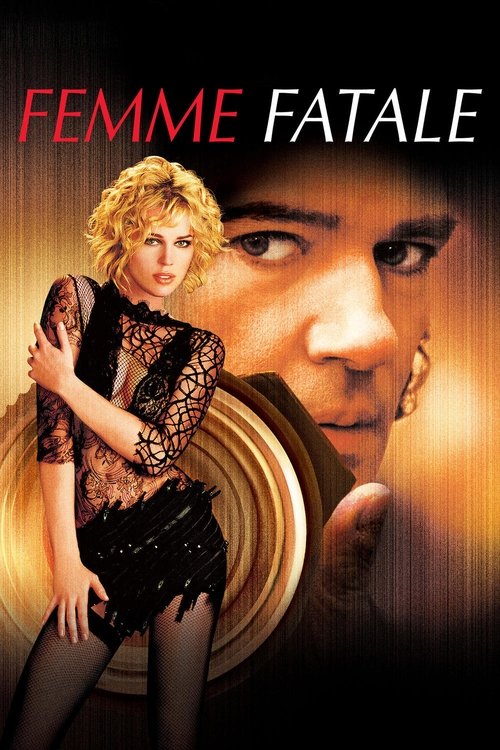
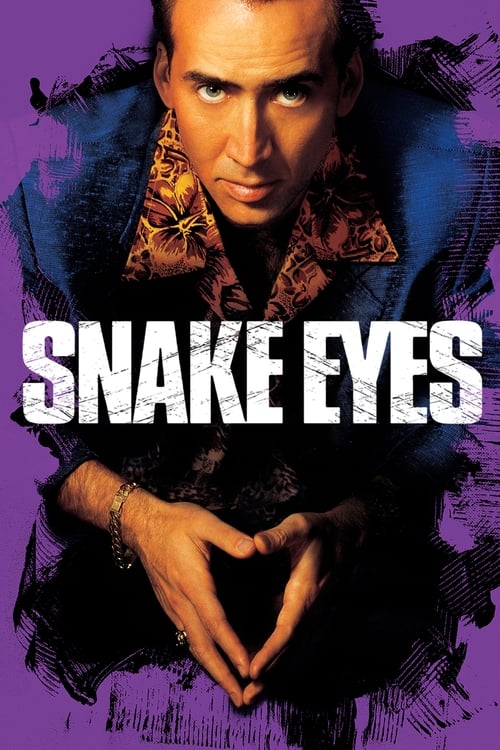
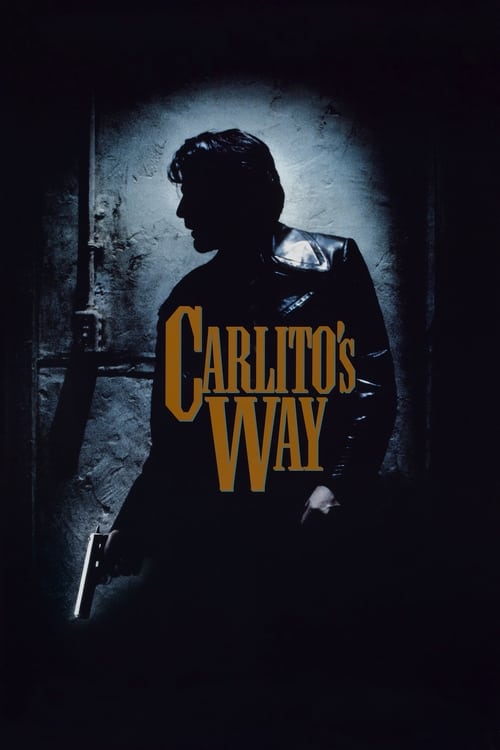
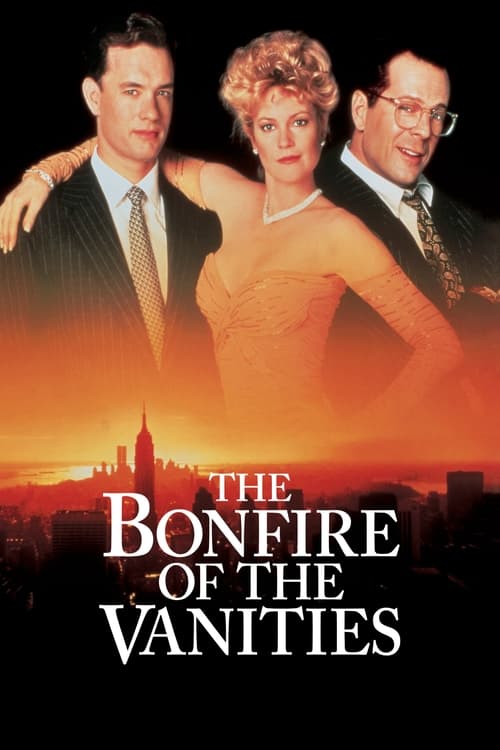
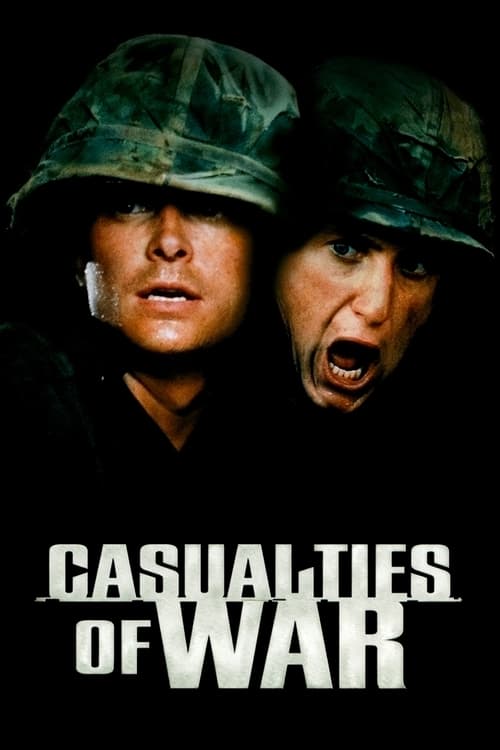
Critics who frequently admire De Palma's work include Pauline Kael and Roger Ebert. Kael wrote in her review of Blow Out, "At forty, Brian De Palma has more than twenty years of moviemaking behind him, and he has been growing better and better. Each time a new film of his opens, everything he has done before seems to have been preparation for it." In his review of Femme Fatale, Roger Ebert wrote about the director: "De Palma deserves more honor as a director. Consider also these titles: Sisters, Blow Out, The Fury, Dressed to Kill, Carrie, Scarface, Wise Guys, Casualties of War, Carlito's Way, Mission: Impossible. Yes, there are a few failures along the way (Snake Eyes, Mission to Mars, The Bonfire of the Vanities), but look at the range here, and reflect that these movies contain treasure for those who admire the craft as well as the story, who sense the glee with which De Palma manipulates images and characters for the simple joy of being good at it. It's not just that he sometimes works in the style of Hitchcock, but that he has the nerve to."
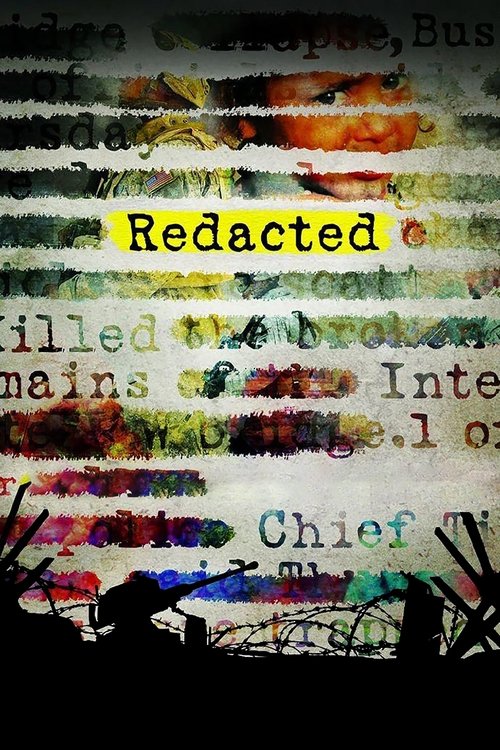
The influential French film magazine Cahiers du Cinéma has placed five of De Palma's films (Carlito's Way, Mission: Impossible, Snake Eyes, Mission to Mars, and Redacted) on their annual top ten list, with Redacted placing first on the 2008 list. The magazine also listed Carlito's Way as the greatest film of the 1990s.
Julie Salamon has written that critics have accused De Palma of being "a perverse misogynist", to which De Palma has responded with, "I'm always attacked for having an erotic, sexist approach – chopping up women, putting women in peril. I'm making suspense movies! What else is going to happen to them?" His films have also been interpreted as feminist and examined for their perceived queer affinities. In Film Comment's "Queer and Now and Then" column on Femme Fatale, film critic Michael Koresky writes that "De Palma's films radiate an undeniable queer energy" and notes the "intense appeal" De Palma's films have for gay critics. In her book The Erotic Thriller in Contemporary Cinema, Linda Ruth Williams writes that "De Palma understood the cinematic potency of dangerous fucking, perhaps earlier than his feminist detractors". Film scholar James Kenney wrote that De Palma is "in truth, one of cinema’s most complicated feminists."
Robin Wood considered Sisters an overtly feminist film, writing that "one can define the monster of Sisters as women's liberation; adding only that the film follows the time-honored horror film tradition of making the monster emerge as the most sympathetic character and its emotional center." Pauline Kael's review of Casualties of War, "A Wounded Apparition", describes the film as "feminist" and notes that "De Palma was always involved in examining (and sometimes satirizing) victimization, but he was often accused of being a victimizer". Helen Grace, in a piece for Lola, writes that upon seeing Dressed to Kill amidst calls for a boycott from feminist groups Women Against Violence Against Women and Women Against Pornography, that the film "seemed to say more about masculine anxiety than about the fears that women were expressing in relation to the film". De Palma has also expressed contrition for the depiction of a transgender murderer in the film, saying in a 2016 interview "I don't know what the transgender community would think [of the film now]... Obviously I realize that it's not good for their image to be transgender and also be a psychopathic murderer. But I think that [perception] passes with time. We're in a different time." In the same interview, he said he was "glad" that the film had become a "a favorite of the gay community".
David Thomson wrote of De Palma, "There is a self-conscious cunning in De Palma's work, ready to control everything except his own cruelty and indifference." Matt Zoller Seitz objected to this characterisation, writing that there are films from the director which can be seen as "straightforwardly empathetic and/or moralistic".
His life and career in his own words was the subject of the 2015 documentary De Palma, directed by Noah Baumbach and Jake Paltrow.