Critical response
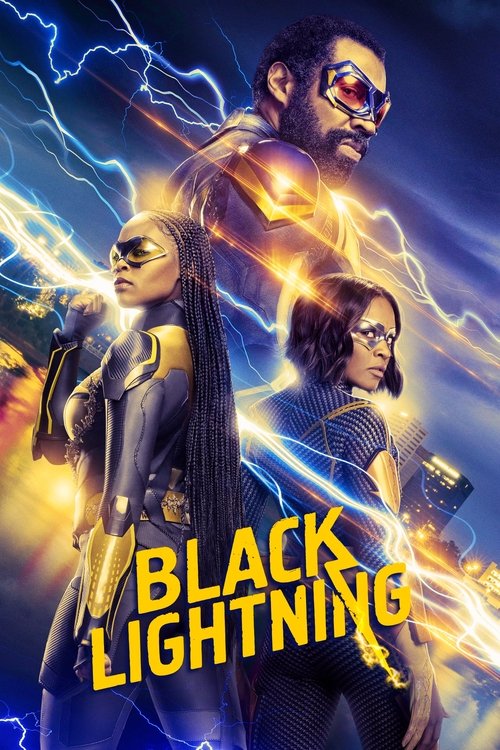
Black Lightning has received generally positive reviews from professional critics. On the review aggregation website Rotten Tomatoes, the series holds a 95% approval rating. The first season debuted to critical acclaim.
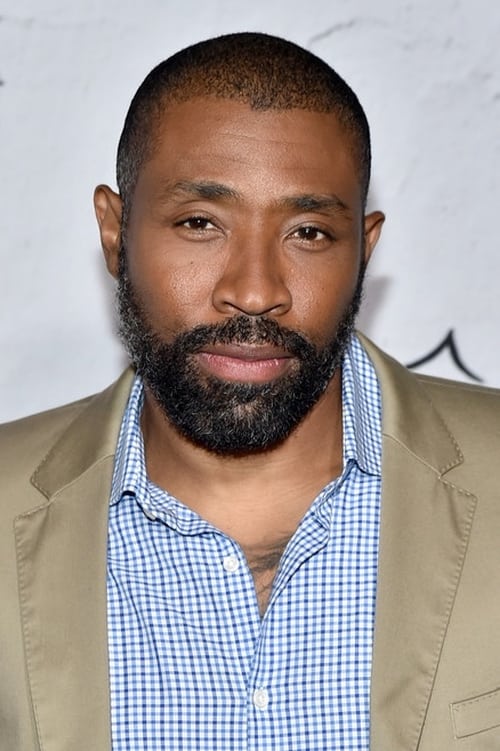
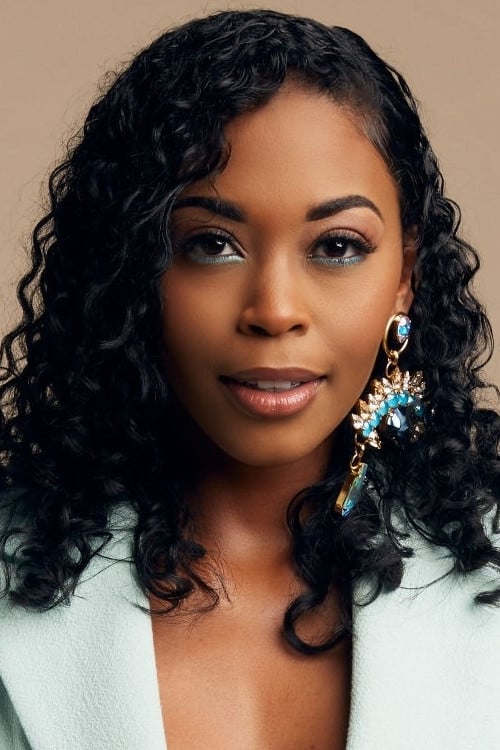
Reviewing for Entertainment Weekly, Dana Schwartz gave the series premiere an "A−" grade, writing, "The Pierce family dynamic is so compelling that even if Jefferson Pierce had no powers beyond great motivational speeches, this show would be a worthwhile watch. Black Lightning balances humor with all-too-necessary social commentary [...] to make a refreshing addition to the superhero TV pantheon." Reviewing the first two episodes of the season, Daniel Fienberg of The Hollywood Reporter commended the series for its "solid action scenes, bass-pumping soundtrack, stylish treatment of Black Lightning's sizzling powers and character pragmatism." He praised the series' ability to "stand alone in welcome ways" and described the premiere episode as "smart and relevant and full of an attitude that's all its own." Reviewing the first four episodes of the series, The Atlantic's Pilot Viruet wrote, "There's an authenticity to the series—it's neither too pulpy nor too preachy—that's heightened by the strong performances from its predominantly Black cast, particularly from [Cress] Williams, who anchors the show's many conflicts." Nafessa Williams' portrayal of Anissa Pierce, Black Lightning's eldest daughter who becomes the superhero Thunder, also drew attention and praise from critics. As the first Black lesbian superhero on television, critics applauded the character's social activism and action scenes, as well as for being a "complex" and "fully realized" character outside of her superhero identity. Reviewing for The A.V. Club, Kyle Fowle gave the finale an "A" grade, writing that the episode was "tonally bold, easily moving between being funny and politically poignant," while also setting up "plenty of intrigue" for next season. Fowle concluded that the episode was a "confident, compelling, moving end to a season that boasted all those same qualities throughout." Jesse Schedeen of IGN noted that the series' reduced episode count, focus on older superheroes and social issues, limited cast, and preservation of the main villain at the end of the season positively distinguished the series from other superhero programming.
The A.V. Club's Fowle gave the second-season premiere an "A−" grade, adding, "One of the reasons the first season was so compelling was that the show made the political personal. That's once again evident here, as there's a wonderful sense of the larger community throughout the premiere." Kayti Burt of Den of Geek! gave the episode a rating of 3.5 stars out of 5. She explained, "There's a lack of thematic cohesiveness in this season premiere that is probably a result of trying to reintroduce so many characters and storylines at once, but the energy and potential for a strong second season is definitely there. Black Lightning continues to be one of the best, most important shows on television." In her review for Collider, Allison Keene gave the season's early storylines 4 stars out of 5, writing, "Black Lightning is not without its own flaws, including occasionally disjointed or abrupt storytelling, but its clear desire to educate and inspire through compelling family drama continues to make it a show of consequence." Burt and Syfy Wire contributor Stephanie Williams praised the season for its efforts to de-stigmatize mental-health care, especially for Black women. Burt called Jennifer's therapy storyline "a powerful, vital representation of mental-health issues—not only within the superhero genre, but anywhere on TV." Again reviewing for The A.V. Club, Fowle gave the season finale a "C+" grade. He named Jennifer's journey as "undoubtedly" the best part of the season, but felt that the second season as a whole "struggled to reach the heights of its first season" and that "storylines were introduced with full force before petering out,[...] stumbling towards lackluster conclusions." Dan Ashby of Cultured Vultures gave the whole season a rating of 7.5 out of 10, writing, "Season two of Black Lightning has some interesting storylines, a number of good fight scenes, a catchy soundtrack, and some important messages. Unfortunately, it all seems slightly uncoordinated and messy in its execution." In a more positive account from Entertainment Weekly, Christian Holub gave the season finale a "B" grade, adding, "Season 2's penultimate installment was all over the place, but tonight's season finale did a good job of bringing enough of the threads together that I'm now satisfied to wait for season 3."
Reviewing the third-season premiere for Entertainment Weekly, Holub gave the episode a "B+" grade, writing, "Black Lightning has been able to do a really good job of showcasing real-life racial dynamics and structural inequities through its comic-flavored storytelling. And in season 3, the show is aiming directly at our real-life crisis of family separation and putting kids in cages. [...] After a bit of a sophomore slump, I'm excited to see where Black Lightning goes from here." Nicole Hill of Den of Geek! assigned the premiere episode a rating of 4 out of 5. She opined that, "Black Lightning does a good job of playing with these different concepts of power and showing how they interact, overlap, and cancel each other out. [...] I hope this season maintains focus and doesn't find itself branching out too far away from its central conflicts. If the following episodes consistently operate at this level, this will be an exciting season to watch." The A.V. Club's Fowle gave the premiere a "B+" grade and added that, "The first episode of the third season is just as politically charged as previous episodes, but this time around, things feel more relevant, more attuned to this specific time and place. Black Lightning has nodded towards real-life events before, but this premiere, centered around kids being rounded up, separated from their families, and locked in detention camps with no idea of when they'll get out or what they did wrong, feels particularly pointed."