The sound era and stage work
Love toured with a musical revue for sixteen weeks, which was so physically demanding that she broke a rib. The experience she gained on the vaudeville stage singing and dancing in three performances a day prepared her for the introduction of sound films. She appeared in the successful sound musical short film The Swell Head in early 1928, and was signed to MGM later that year.
In 1929, she appeared in her first feature-length sound film, the musical The Broadway Melody. Her performance earned her a nomination for the Academy Award for Best Actress, and the success of the film resulted in a five-year contract with MGM and an increase in her weekly salary from US$500 to $3,000 (equivalent to $56,000 in 2025)—$1,000 more than her male co-star Charles King.
She appeared in several other early musicals, including 1929's The Hollywood Revue of 1929 and 1930's Chasing Rainbows, Good News, and They Learned About Women. Her success in these musicals earned her the title "the screen's first musical comedy star."
However, the success of musical films waned, again putting her career in decline. Love is quoted as saying of her career: "I guess I'm through. They don't seem to want me any more." She shifted focus to her personal life, marrying in December 1929.
She semi-retired from films, and traveled with a musical revue that included clips from her films The Broadway Melody, The Hollywood Revue, and Chasing Rainbows. While on tour, she learned she was pregnant with her daughter, who was born in 1932. Love stopped her stage work to raise her daughter. In 1935, Love moved to England, briefly returning to the United States in 1936 to obtain a divorce.
During World War II in Britain, when it was difficult to find employment as an actress, Love worked as the script supervisor on the film drama San Demetrio London (1943). She also worked for the American Red Cross.
Towards the end of the war, Love began acting again, this time primarily in the theater and on BBC radio as a member of their Drama Repertory Company; she also played small roles in British films, often as an American tourist. Stage work included such productions as Love in Idleness (1944) and Born Yesterday (1947). She wrote and performed in The Homecoming, a semiautobiographical play, which opened in Perth, Scotland in 1958. Film work included The Barefoot Contessa (1954) with Humphrey Bogart, and Ealing Studios' Nowhere to Go (1958), and Next to No Time, 1958. She had supporting roles in The Greengage Summer (1961) starring Kenneth More, the James Bond thriller On Her Majesty's Secret Service (1969), and John Schlesinger's Sunday Bloody Sunday (1971). In addition to playing the mother of Vanessa Redgrave's titular character in Isadora (1968), Love also served as dialect coach to the actress.
On television, Love appeared in dozens of episodes of British television shows in the 1950s, 1960s, and 1970s. In October 1963, she became the subject of This Is Your Life when host Eamonn Andrews surprised her at the stage door of Never Too Late after its London opening. Guests included London Scrapbook director Derrick De Marney, her Forget Me Not (1922) co-star Gareth Hughes, actor Percy Marmont, her friend and Those Who Dance (1924) co-star Blanche Sweet, and her daughter Patricia.
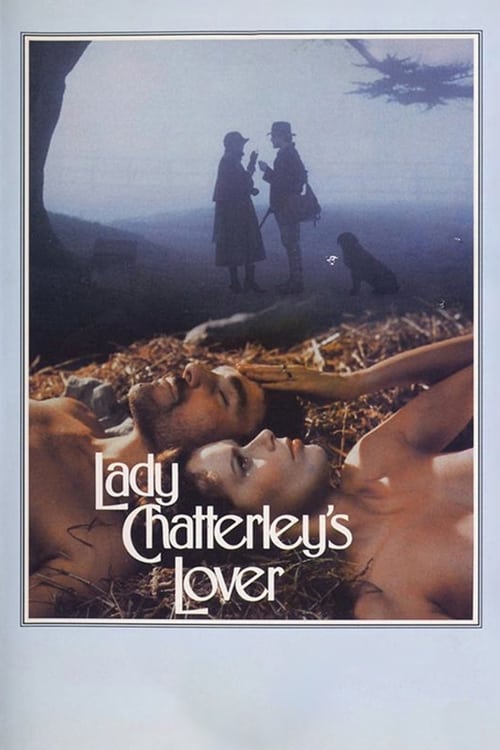
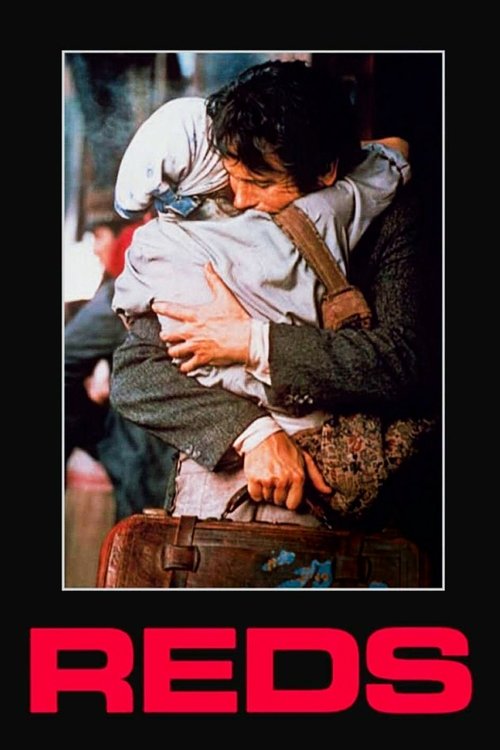
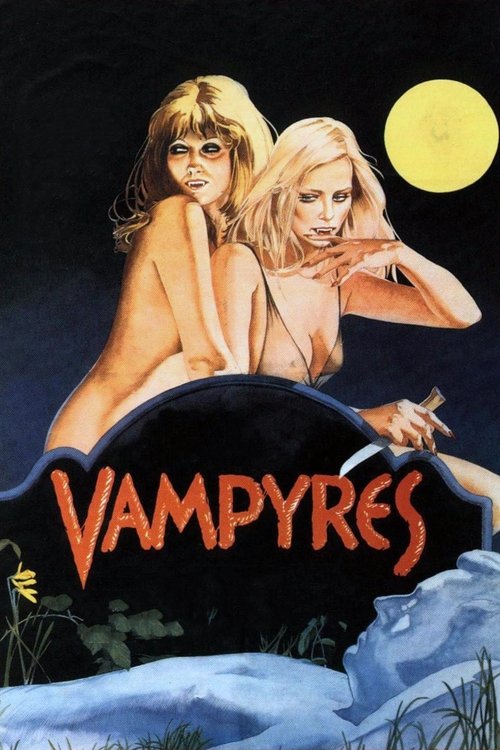
Love appeared in John Osborne's play West of Suez (1971), and as "Aunt Pittypat" in a large-scale musical version of Gone with the Wind (1972) and as an "American Lady" in Vampyres (1974). She also played Maud Cunard in the TV miniseries Edward & Mrs. Simpson in 1978. Her film work continued through the seventies with movies like The Ritz (1976), Sunday Bloody Sunday (1971), and Gulliver's Travels (1981), and into the 1980s with roles in Ragtime (1981), Reds (1981), Lady Chatterley's Lover (1981), and her final film The Hunger (1983).