





Francis Benjamin Johnson Jr. (June 13, 1918 – April 8, 1996) was an American actor, stuntman, and professional rodeo cowboy.
The son of an Oklahoma rancher, Johnson arrived in Hollywood to deliver a consignment of horses for a film. He worked as a stuntman and horse wrangler, before breaking into acting with the help of John Ford. His droll manner and expert horsemanship brought authenticity to his many roles in Westerns.
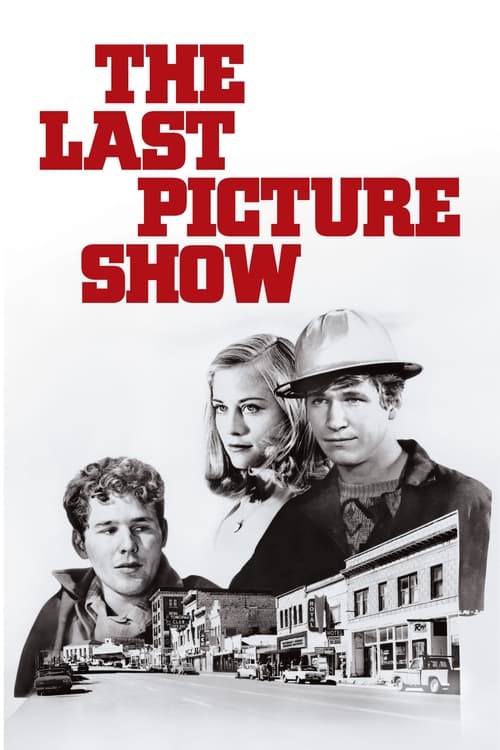
An elegiac portrayal of a former cowboy theater owner in the coming-of-age drama The Last Picture Show won Johnson the 1971 Academy Award, BAFTA Award, and Golden Globe Award for Best Supporting Actor. In addition to his film career, he won the 1953 Rodeo Cowboys Association's (RCA) Team Roping World Championship, and was inducted into the ProRodeo Hall of Fame in 1979.
Contents
Early life
Johnson was born in Foraker, Oklahoma, on the Osage Indian Reservation, he believed he was of Irish and Cherokee ancestry, though this turned out not to be accurate (genealogists have found his ancestors came to America almost exclusively from England and Scotland.) However, his claims to partial Native American ancestry were legitimate and accurate, his mother's mother being a registered citizen of the Osage nation. He was the son of Ollie Susan Johnson (née Workmon) and Ben Johnson Sr. His father was a rancher and rodeo champion in Osage County.
Johnson followed in his father's footsteps, working as a ranch hand from an early age and later becoming a world-champion rodeo cowboy.
Film career
Johnson parlayed his equestrian skills into a film career in the late 1930s, first arriving in Hollywood to deliver a consignment of horses for a film. He credited Howard Hughes with launching his career, when the director hired him as a horse wrangler and stuntman on the 1943 film The Outlaw. He liked to say later that he got to Hollywood in a carload of horses.
His work as a stuntman caught the eye of director John Ford, who hired Johnson for stunt work in the 1948 film Fort Apache, and as the riding double for Henry Fonda. During shooting, the horses pulling a wagon with three men in it stampeded. Johnson, who "happened to be settin' on a horse", stopped the runaway wagon and saved the men. When Ford promised that he would be rewarded, Johnson hoped it would be with another doubling job, or maybe a small speaking role. Instead, he received a seven-year acting contract from Ford. Ford called Johnson into his office, and handed him an envelope with a contract in it. Johnson started reading it, and when he got to the fifth line and it said "$5,000 a week," he stopped reading, grabbed a pen, signed it, and gave it back to Ford.
His first credited role was in Ford's 3 Godfathers; the film is notable for the riding skills demonstrated by both Johnson and star Pedro Armendáriz. He later said the film was the most physically challenging of his career. Ford then suggested a starring role for him in the 1949 film Mighty Joe Young; he played Gregg opposite Terry Moore. Ford cast him in the remaining two of the three films that have come to be known as Ford's cavalry trilogy, all starring John Wayne: She Wore a Yellow Ribbon (1949), and Rio Grande (1950) joining Fort Apache. Both roles showcased Johnson's riding ability. Ford also cast Johnson as the lead in Wagon Master (1950), one of Ford's favorites.
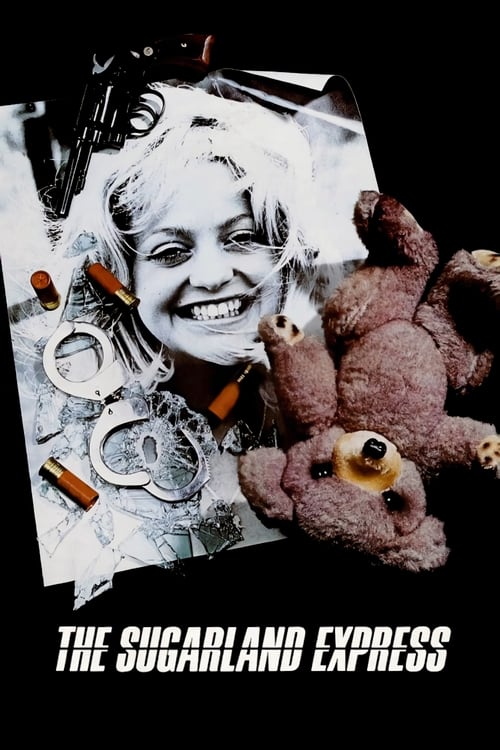
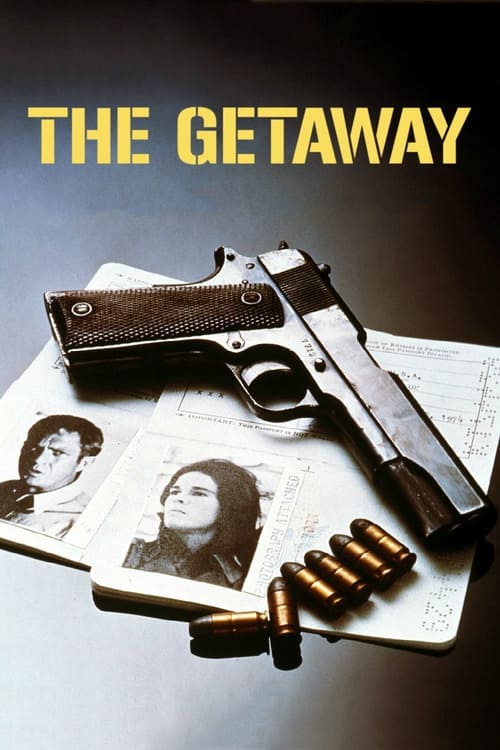
In real life Johnson's demeanor was calm but firm; even in tense situations he did not show any bad temper. And though known for avoiding drama, he had definite boundaries, both in life and as an actor. During the making of Rio Grande he defied Ford, who was notorious for browbeating his actors, and reportedly told him to go to hell. Johnson thought the incident had been forgotten, but Ford did not use him in a film for over a decade. Johnson also appeared in four films of tempestuous director Sam Peckinpah and had a good relationship with him, with Peckinpah appreciating Johnson's authenticity and lack of acting airs.
Rodeo championship
In 1953, he took a break from well-paid film work to compete in the Rodeo Cowboys Association (RCA), becoming the Team Roping World Champion; although he only broke even financially that year. Johnson was inducted into the ProRodeo Hall of Fame in 1979. According to his ProRodeo Hall of Fame entry, he said, "I've won a rodeo world championship, and I'm prouder of that than anything else I've ever done."
Personal life
Johnson's 1941 marriage to Carol Elaine Jones lasted until her death on March 27, 1994. They had no children. She was the daughter of noted Hollywood horse wrangler Clarence "Fat" Jones. Johnson continued to work almost steadily until his death.
Johnson also operated a horse-breeding ranch throughout his career. Although he said he had succeeded by sticking to what he knew, shrewd real estate investments made Johnson worth an estimated $100 million by his later years.
Death
On April 8, 1996, aged 77, Johnson collapsed and died from a heart attack while visiting his then 96-year-old mother Ollie at Leisure World in Mesa, Arizona, the suburban Phoenix retirement community where they both lived. Johnson's body was later transported from Arizona to Pawhuska, Oklahoma, for burial at the Pawhuska City Cemetery.
Ollie died on October 16, 2000, aged 101.
Legacy
For his contribution to the motion picture industry, Johnson has a star on the Hollywood Walk of Fame at 7083 Hollywood Boulevard. In 1982, he was inducted into the Western Performers Hall of Fame at the National Cowboy & Western Heritage Museum in Oklahoma City. In 2003 Johnson was inducted into the Texas Trail of Fame.
In 1996, Tom Thurman made a documentary film about Johnson's life, titled Ben Johnson: Third Cowboy on the Right, written by Thurman and Tom Marksbury. To date, he is the only person to have won both a world rodeo championship and an Oscar.
The Ben Johnson Cowboy Museum was opened in honor of Ben Johnson in his hometown of Pawhuska in June 2019. The museum showcases the life and career of Ben Johnson, as well as his father, Ben Johnson Sr., who was also a world-champion cowboy. In addition to the Ben Johnsons, the museum also features other world-champion cowboys and cowgirls, famous ranches (like the one Ben grew up on), and cowboy artists and craftsmen, all from the area where Ben grew up.
The Ben Johnson Memorial Steer Roping and the International Roundup Cavalcade, the world's largest amateur rodeo, are held annually in Pawhuska, Oklahoma.
A one-and-a-quarter-sized bronze sculpture by John D. Free of Ben Johnson riding a horse and roping a steer was commissioned and produced in Pawhuska, Oklahoma.