





Andrew Lewis Prine (February 14, 1936 – October 31, 2022) was an American actor. He had a prolific career spanning from the 1950s through the 2010s, appearing in over 180 film and television productions, and was well known for his roles in Westerns.
Contents
Early life and education
Prine was born in 1936, in Jennings, Florida. He was raised in a farming community, and graduated from Miami Jackson Senior High School. He attended the University of Miami on a theater scholarship, but dropped out and headed to New York to pursue acting, enrolling at the Actors Studio.
Career
Early performances
In the mid-1950s, Prine was a "starving" stage actor in New York City. He made his professional debut in an episode of United States Steel Hour in 1957. Aged 22, he was then cast as the lead in the Broadway production of Thomas Wolfe's Look Homeward, Angel. Adapted by playwright Ketti Frings, the play opened at the Ethel Barrymore Theatre on November 28, 1957. In 1958, Prine was brought in as a replacement for Anthony Perkins. It ran for a total of 564 performances and closed on April 4, 1959. The production was a critical success. it won 1958 Best American Play and was nominated for several Tony Awards.
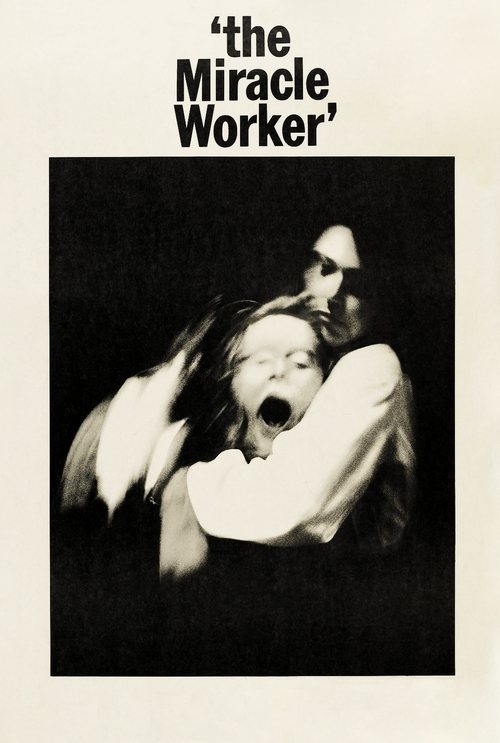
Prine left Broadway in pursuit of film acting after he realized the greater pay difference between stage and screen work. From 1959, he was cast in a series of small roles for television. In 1962, Prine was cast in the Academy Award-nominated film The Miracle Worker as Helen Keller's older brother James. He had fond memories of his co-star Anne Bancroft, who was dating Mel Brooks at the time.
Westerns and television: 1960s
In 1962, Prine landed the lead role of Andy Guthrie with Earl Holliman in the 28-episode NBC series Wide Country, a drama about two brothers who are rodeo performers that aired between 1962 and 1963. He learnt from rodeo performer and technical advisor Slim Pickens. Prine later credited Holliman for the quality of the series, in terms of rewriting the script and his dedication. After the cancellation of Wide Country, Prine continued to work throughout the 1960s in such Western television series as Gunsmoke, Bonanza, The Virginian, and Wagon Train.
His other television appearances included the non-Western series Dr. Kildare, Cannon, Combat!, and Twelve O'Clock High. He played Dr. Richard Kimble's brother Ray in a notable first-season episode of The Fugitive.
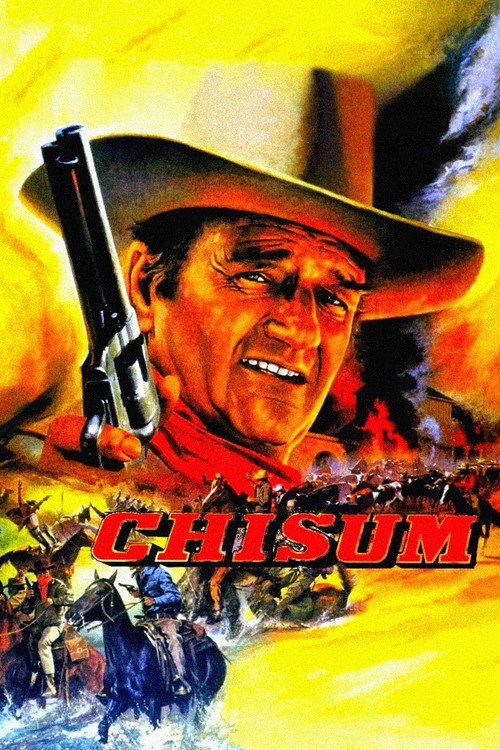
In the late 1960s, Prine appeared in three prominent films made by director Andrew V. McLaglen: The Devil's Brigade (1968) with William Holden, Bandolero! (1968) with Jimmy Stewart, Dean Martin and Raquel Welch, and Chisum (1970) with John Wayne. Prine allegedly had a youthful, egotistical attitude. Nobody intimidated him with the exception of Wayne. Out of all the films in his career, Prine confessed that the Westerns were his personal favorite.
Horror and television: 1970s–1980s
During the 1970s and 1980s, Prine worked steadily in film and television. These included roles in Baretta, Barnaby Jones, Hawaii Five-O, The Bionic Woman, W.E.B., Dallas, and the science-fiction miniseries V and its sequel V: The Final Battle.
Prine appeared in a succession of cult horror films including Simon, King of the Witches (1971), Hannah, Queen of the Vampires (1973), Terror Circus (1973), The Centerfold Girls (1974), The Town That Dreaded Sundown (1976), Grizzly (1976), The Evil (1978), and Amityville II: The Possession (1982).
Later years: 1990s–2010s
During the 1990s, Prine continued to work in film and television. His appearances included Weird Science and Star Trek: The Next Generation.
Prine worked with director Quentin Tarantino on an Emmy-winning episode of CSI: Crime Scene Investigation and in Saving Grace with Holly Hunter, Boston Legal, and Six Feet Under, in addition to feature films with Johnny Knoxville. The Encore Western Channel has featured him on Conversations with Andrew Prine, interviewing Hollywood actors such as Eli Wallach, Harry Carey, Jr., and Patrick Wayne, and film makers such as Mark Rydell with behind-the-scenes anecdotes.
Stage
A life member of the Actors Studio, Prine's stage work includes Long Day's Journey into Night with Charlton Heston and Deborah Kerr, The Caine Mutiny Court-Martial, directed by Henry Fonda, and A Distant Bell on Broadway.
Accolades
In 2001, Prine received the Golden Boot Award for his body of work in Westerns and two Dramalogue Critics Awards for Best Actor in a leading role.
Personal life
Prine married his first wife, actress Sharon Farrell in 1963. The couple divorced the same year, reportedly after only living together for one month and ten days.
He married his second wife, actress Brenda Scott, in 1965. The couple had multiple remarriages and divorces before they remarried a third time, which lasted from 1973 to 1978.
In 1986, Prine married his third wife, actress-producer Heather Lowe. The couple were together 36 years until his death in 2022.
Karyn Kupcinet
Karyn Kupcinet and Prine met on the set of Wide Country in December 1962 and began dating in 1963. The relationship was problematic; Kupcinet was abusing diet pills along with other prescription drugs.
Prine told Kupcinet that he was newly divorced, dating other girls, and not interested in an exclusive relationship. After Kupcinet said she underwent an illegal abortion in July 1963, the relationship cooled further. Prine continued dating other women. In turn, Kupcinet began spying on Prine and his girlfriends. The police were called to Prine's home one afternoon when he and his date heard a burglar in the attic. Kupcinet was found in the house and no charges were filed.
After Kupcinet's death, The Los Angeles County Sheriff's Department and the FBI examined threatening letters that Prine had received; Kupcinet told Prine she had also been sent the exact same kind of threats, with letters cut out of magazine headlines and newspaper headlines. Sheriff's Department investigators suggested they were probably pranks. The FBI later determined Kupcinet had delivered to Prine and herself the threatening and profane messages. Her fingerprints were discovered on Scotch tape during the investigation by the FBI and the Sheriff’s Department. The Scotch tape had fastened the messages to the front door of Prine’s house and the door to Kupcinet’s apartment.
On November 30, 1963, Kupcinet was found dead in her apartment at the age of 22. The coroner concluded that she had been strangled because of a broken hyoid bone in her throat. Her death was ruled a homicide.
During the course of an investigation, the Los Angeles County Sheriff's Department said Prine voluntarily worked with investigators when questioned. Prine said he had talked with Kupcinet twice by phone on Wednesday, the day before her murder, when he was trying to resolve an issue she had brought up during the first of their telephone conversations. She told Prine a baby had been abandoned on the doorstep of her apartment. He told her to call the police and later followed up with another call to see if she had contacted the authorities.
In addition to Prine, during the investigation both Edward Rubin and Robert Hathaway, the two men who had been at Kupcinet’s apartment during the night of her death and possibly had been the last people to see her alive, were named as suspects.
Death
Prine died of natural causes while on vacation in Paris, France, on October 31, 2022, at the age of 86.
Filmography
Partial stage credits
Mrs. Patterson (1957)
Look Homeward, Angel (1958–59, Ethel Barrymore Theatre and 54th Street Theatre) - Eugene Gant
Look Homeward, Angel (1959, La Jolla Playhouse) - Eugene Gant
Borak (1960, Martinique Theater) - Lt. Robert Borak
A Distant Bell (1960, Eugene O'Neill Theatre) - John Creighton
The Caine Mutiny Court-Martial (1971)
Long Day's Journey into Night (1977, Ahmanson Theatre)
Men's Singles (1985)
They Shoot Horses, Don't They? (2001, Greenway Court Theater) - Rocky
Buried Child