Production
Producer Bernie Brillstein was approached to see Fusco's audition with a puppet character but was initially uninterested, having managed Jim Henson for years and regarding Henson as the best puppeteer in showbiz. However, Fusco's brief performance as ALF won over Brillstein, who thought the character was hilarious and strong enough to be the focus of a series.
Fusco co-produced the series with Tom Patchett. Patchett also co-created, wrote, and directed the series. The series was first syndicated by Warner Bros. Television and Lorimar-Telepictures. The U.S. syndication rights were passed over to Debmar-Mercury when its parent company, Lionsgate, owned home video rights. Shout! Factory assumed distribution rights to the series in February 2022.
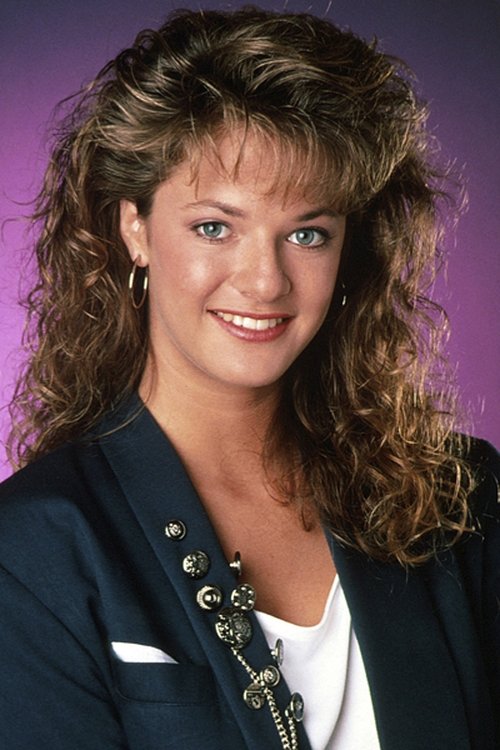
Due to the inherent nature of producing a show featuring hand-operated puppets (à la Jim Henson's The Muppet Show), ALF was technically difficult and extremely demanding on series creator Fusco as well as its four lead actors. All confirmed during a 2000 People magazine interview that there were constant high levels of tension on the set. Max Wright said that he despised supporting a technically demanding puppet that received most of the good lines of dialogue. He admitted to being "hugely eager to have ALF over with." Artie Lange, who later worked with Wright on The Norm Show, told of a time when Wright had become "crazed" and physically attacked ALF, causing producers to have to pull Wright off the puppet. Anne Schedeen said that on the last night of taping the final episode, "there was one take and Max walked off the set, went to his dressing room, got his bags, went to his car and disappeared... There were no goodbyes." Schedeen herself said "there was no joy on the set... it was a technical nightmare – extremely slow, hot and tedious... A 30-minute show took 20, 25 hours to shoot." While fond of her on-screen children, Schedeen said some adults had "difficult personalities. The whole thing was a big dysfunctional family." Schedeen added, "It's astonishing that ALF really was wonderful and that word never got out what a mess our set really was." Andrea Elson, who suffered from bulimia during the second season of shooting, said, "If ALF had gone one more year, everybody would have lost it." Wright later admitted that as the years passed he looked back at ALF with less animosity and conceded that "It doesn't matter what I felt or what the days were like, ALF brought people a lot of joy." In reference to the tension, Fusco commented in 2012, "It was just the nature of the beast. There was no way we could have made it go any further or any faster," he insisted. "I think it was frustrating that it would take so long, but people got paid for what they did. Despite what people thought, that there was a lot of tension on set, there really wasn't."
Fusco was notoriously secretive about his character up until the series' premiere. During the show's production, Fusco refused to acknowledge that the puppet ALF was anything other than an alien. All involved with the production were cautioned not to reveal any of ALF's production secrets.
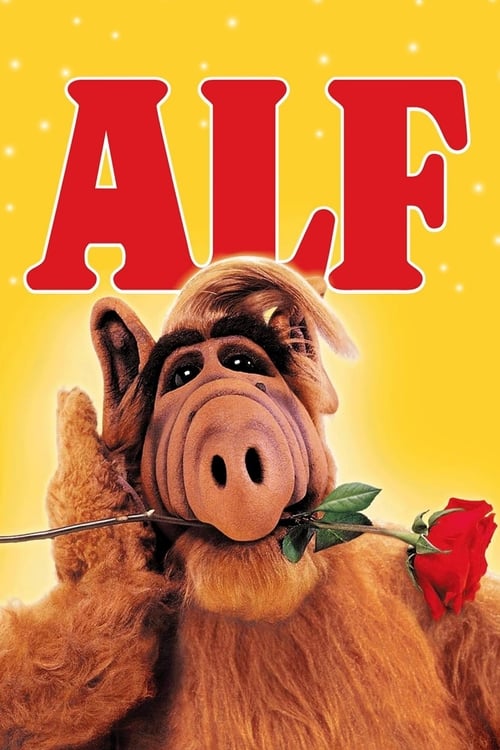
The set was built on a platform raised four feet above the ground, with trap doors constructed at many points so ALF could appear almost anywhere; Fusco operated him from underneath, so the unoccupied holes throughout the floor were deep and treacherous. The trap doors had to be reset multiple times, sometimes during a single scene. Principal puppeteer Paul Fusco (who was mainly left-handed when puppeteering) control ALF's mouth with his left hand, while his right hand controlled ALF's right arm. Another puppeteer, Lisa Buckley, who later performed on Sesame Street, assisted Fusco beneath the stage, operating ALF's left arm. At times when ALF's full body was shown in the sitting position, Lisa controlled ALF's left hand by cable allowing slight finger movements. A third puppeteer, Bob Fappiano, controlled ALF's facial and ear movements via a radio control offscreen. During tapings, Fusco wore a head-mounted microphone to record ALF's voice. The process resulted in numerous mistakes and retakes, making it impossible to record ALF in front of a live audience. A laugh track was added during post-production.
To avoid wear and tear on the principal ALF puppet, the performers rehearsed with a crude early version of ALF, nicknamed "RALF" for "Rehearsal Alien Life Form"). Fusco did not like to rehearse, and often substituted his hand or RALF for the real ALF puppet during rehearsals. In an interview on Late Night with Conan O'Brien, Tina Fey said that her biggest frustration as producer of NBC's 75th-anniversary special was dealing with ALF's "people". Fey said Fusco would only allow ALF to appear on the show if the puppeteers were hidden from everyone else. After ALF's cameo alongside former Family Ties star Michael Gross, ALF disappeared through a hole in the riser, was stuffed into a case, and immediately removed from the building.
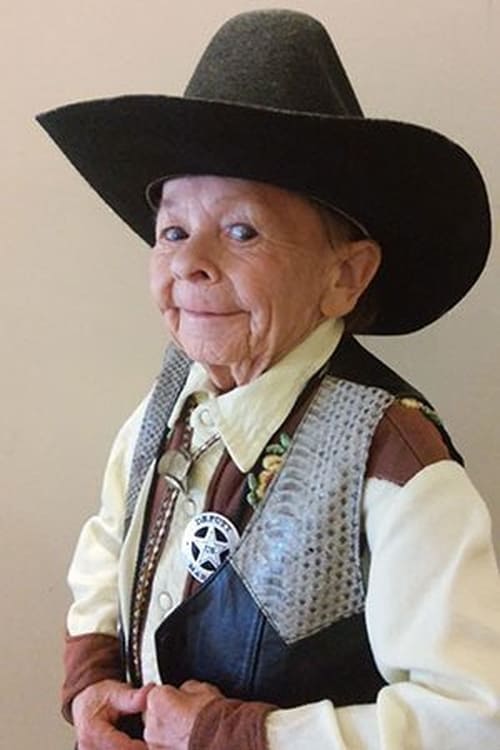
While a puppet was usually used for ALF, there were some shots of the tiny alien running or walking around. This was accomplished by the 2 feet 9 inches (84 cm) actor Michu Meszaros wearing an ALF costume. This can be seen in one of the series' intros, which concludes with the Tanner family getting their picture taken; ALF (played by Meszaros) walks over to be part of the photo. However, Meszaros' services became too costly as well as time-consuming, and the full ALF costume was abandoned after the first season.
ALF scored its highest ratings during Season 2 (reaching tenth place in the Nielsen ratings). Ratings remained at a steady fifteenth place during Season 3, but plummeted to 39th place during Season 4. NBC moved the show from its traditional Monday night slot to Saturday in March 1990 and eventually moved to Sunday, but ratings continued to fall.
The season-ending cliffhanger "Consider Me Gone" became an unintentional series finale when NBC gave Alien Productions a verbal commitment for a fifth season, but ultimately withdrew its support. ABC resolved the cliffhanger on February 17, 1996, with the TV movie Project: ALF. NBC executive Brandon Tartikoff later told Fusco that the network regretted cancelling ALF prematurely, saying "It was a big mistake that we cancelled your show, because you guys had at least one or two more seasons left."