




The Story of the Singing Revolution in Estonia
Citizens reclaim independence through song festivals
FaithTap · Oct 11, 2026 · 10 min read
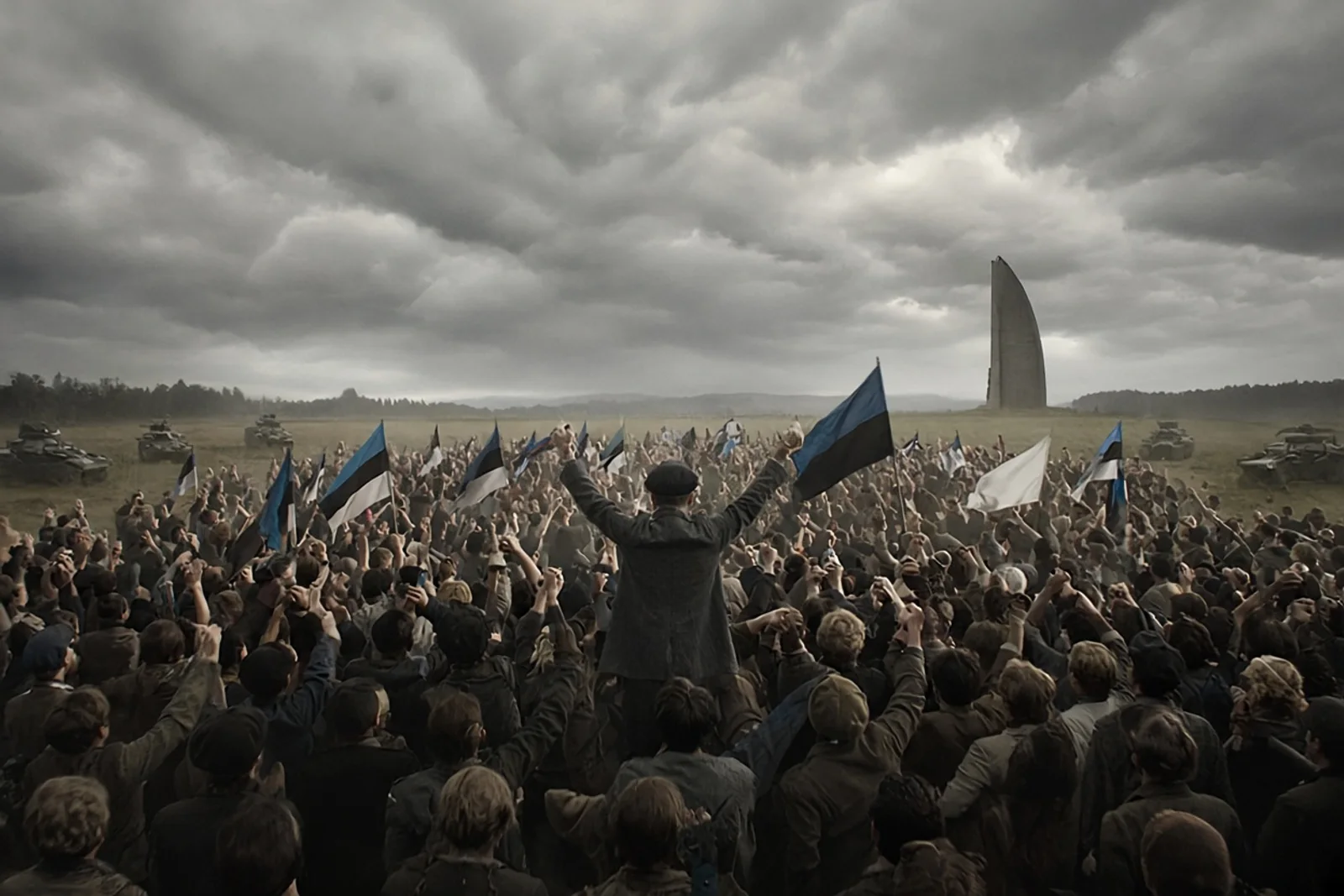
The wind cut across the university courtyard in Tartu that February evening. Students clustered around a single television set someone had dragged from a dormitory lounge. Juhan Aare’s voice came through the speaker, steady as he pressed the Moscow official on camera. The man confirmed the phosphorite mines would begin in 1997. No one spoke for a long minute after the screen went dark.
I walked home through frozen streets and kept hearing the word “catastrophe.” The next morning a petition circulated in the lecture halls. We signed it standing in line for bread. By March the signatures numbered in the thousands.
Someone brought a guitar to the next meeting. The chords were simple, and the words were new. “Ei ole üksi ükksi maa” spread before the summer term ended. Alo Mattiisen and Jüri Leesment had recorded it in May with half a dozen pop singers. We played the tape on a battered reel-to-reel in the student union until the heads wore flat.
In August the Hirvepark meeting was announced on shortwave. I took the overnight bus to Tallinn with two friends and a rolled banner. The park filled by late morning. People stood on benches, on the low stone wall, on one another’s shoulders. No one carried a weapon. The demand was only that the secret clauses of the 1939 pact be published.
Edgar Savisaar spoke from the steps. He did not raise his voice. When he finished, the first verse of an old choral piece rose without signal. Then another. Then the full crowd. The police line at the edge of the grass did not move.
We stayed until the light failed. Someone passed a thermos of weak tea. A woman beside me kept repeating the date of the pact as if memorizing it for the first time.
Back in Tartu the autumn term opened with new restrictions on gatherings. The restrictions were ignored. Every weekend another small concert turned into an open-air rehearsal. The repertoire grew: forbidden anthems, new verses written on napkins, old harvest songs rewritten overnight.
By the following spring the Popular Front had formed. Savisaar proposed it on live television. The studio phones rang for hours afterward. I joined the local chapter because the meetings always ended in song.
Karl Vaino’s government issued statements. They warned of economic harm and foreign interference. The statements were read aloud in factory cafeterias and then set aside.