




St. Vladimir Baptizes the Kievan Rus
Vladimir orders the baptism of his people in the Dnieper.
FaithTap · Oct 9, 2026 · 11 min read
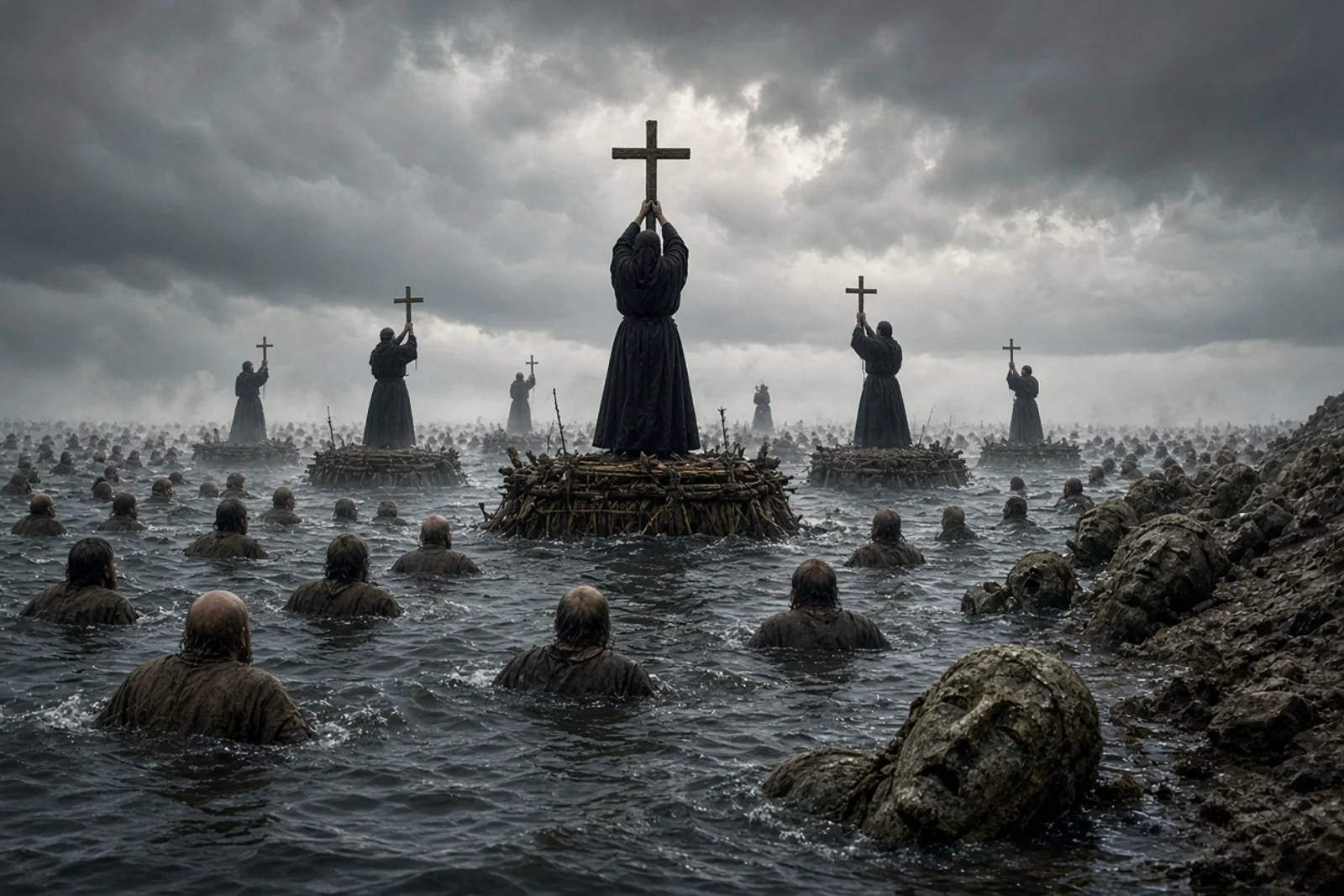
I stood on the bank where the willows lean into the current, the same place I had come every spring to watch the ice break. Messengers had ridden through the lower town at dawn, their horses lathered, shouting that every household must gather by the river before the sun stood overhead. My neighbor’s boy ran past me barefoot, clutching his infant sister, and I followed without thinking to bring anything but the cloak I wore.
Vladimir had returned two days earlier with ships from the south. He brought a woman they called Anne, the emperor’s sister, and a train of priests in dark robes. The streets still smelled of smoke from the idols he had ordered burned on the hill above the prince’s hall. Perun’s oak figure had been the last to fall. Men with ropes dragged it down the slope while others hacked at the limbs with axes. I heard the crack when the head split. They rolled what remained into the water and let the Dnieper take it.
That night the wind carried the sound of axes still working. The smaller gods—Khors, Dazh’bog, the rest—were already gone, their platforms empty under the moon. I had left offerings at those platforms the year before, after a good catch. Now the platforms were only charred earth.
By mid-morning the crowd pressed shoulder to shoulder along the shallows. Some carried children on their backs. Others stood with bundles of clothing they would not need again. The water ran cold from the spring melt, clear enough that I could see stones on the bottom. Priests waded out first, their hems darkening. They formed lines and began to chant, voices carrying over the rush of the current.
Vladimir’s twelve sons entered together, the eldest leading. They stripped to linen shifts and walked in until the river reached their chests. The priests laid hands on each head, one after another. No one spoke above the chant. When the last boy rose, water streaming from his hair, a murmur moved through the watchers, then died.
The order came down the bank that every man, woman, and child must follow. I stepped in with the others. The mud gave under my feet. Cold climbed my legs, then my waist. A priest I did not know touched my forehead and spoke words I could not follow. He pushed my head under once, held it, then let go. When I came up the sun had moved. My cloak floated behind me like a second skin.
People kept coming from the upper town all afternoon. Some brought old, some infants wrapped tight so the current would not take them. The priests worked without pause, their voices hoarse by the time the light slanted. No one turned back once they reached the water. Those who hesitated were pushed forward by the press behind them.
By evening the river looked different. The surface carried bits of ash from the hill, small dark flakes that spun and sank. I stayed until the last group waded out. My feet were numb. I walked home through streets that felt wider now that the carved figures no longer looked down from the ridge.
The next morning men began hauling stone from the quarries south of the city. Vladimir had ordered a church raised where the idols had stood. The first blocks were laid in the same week, each one marked with a cross cut into the face. I passed the site on my way to the river for fish. The masons worked in silence except for the ring of iron on stone.