




Maryland Is About To Start Taking Money Out Of Workers’ Paychecks For Benefits They Can’t Use
Maryland will begin taking money out of workers' paychecks in January 2027 to finance a paid family leave program that will not provide benefits until a full year later, following repeated delays since its creation in 2022.
Jack McGeever · Oct 18, 2026 · 4 min read
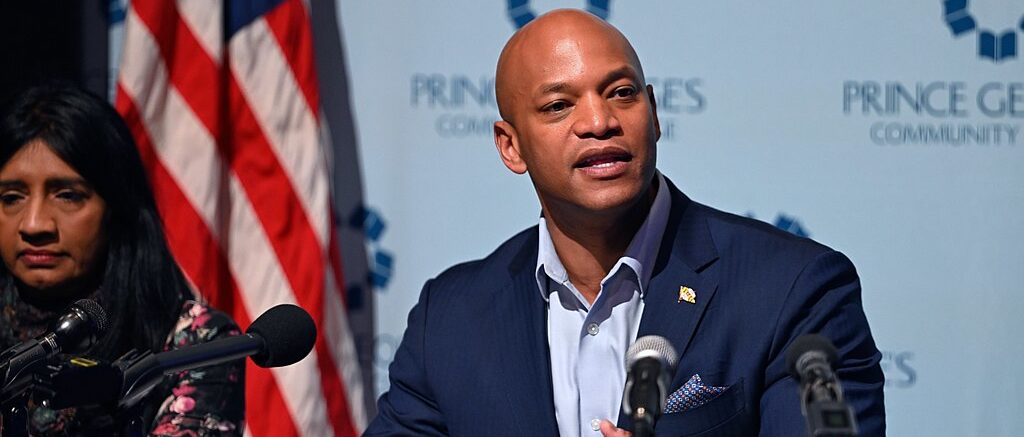

Maryland will begin taking money out of workers’ paychecks in January 2027 to finance a paid family leave program that will not provide benefits until a full year later, following repeated delays since its creation in 2022.
The state’s Family and Medical Leave Insurance (FAMLI) program will require workers to contribute up to 0.45% of their wages, with larger employers generally contributing an additional 0.45%, bringing the combined rate to 0.9%. Maryland officials argue the yearlong collection period is necessary to build an insurance reserve, while former Maryland state Del. Dan Cox, the Republican nominee for governor, told the Daily Caller News Foundation (DCNF) that the deductions should be suspended.
The program was established through the Time to Care Act, which lawmakers passed over then-Republican Gov. Larry Hogan’s veto in 2022. Originally scheduled to begin paying benefits in January 2025, the program was delayed repeatedly, with its current timeline setting Jan. 1, 2028, as the date eligible workers can begin receiving up to 12 weeks of paid, job-protected leave.
In his April 2022 veto letter, Hogan called the measure an “irresponsibly crafted, rushed piece of legislation” and warned that it would impose additional costs on Maryland employers and employees. The Republican governor also criticized the bill for lacking a statutory payroll deduction cap or cost-sharing formula and questioned whether the state was prepared to administer the program. Lawmakers overrode his veto the following day.
Cox, who opposed the original legislation during his time in the Maryland House of Delegates, questioned whether requiring workers to contribute for an entire year before receiving benefits was justified.
“No, it does not,” Cox told the DCNF on Wednesday when asked whether building an initial insurance reserve justified the gap.
Maryland’s Department of Labor defended the arrangement, telling the DCNF that collecting contributions ahead of benefit payments is necessary to ensure the program remains financially sustainable.
“MD Labor takes seriously its responsibility to ensure FAMLI is financially sustainable and secure,” the department said. “All standalone state paid leave programs began with a seeded fund.”
The department explained that the first quarterly contributions are due April 30, 2027, and will go directly into a dedicated insurance fund, approximately nine months before benefits become available.