




Governors Take On Power Companies Over Who Controls Your Electric Bill
Governors whose states share the nation's largest power grid will meet Thursday in Chicago — as critics say the grid's members kept most decision-making power.
Simon August · Oct 7, 2026 · 4 min read
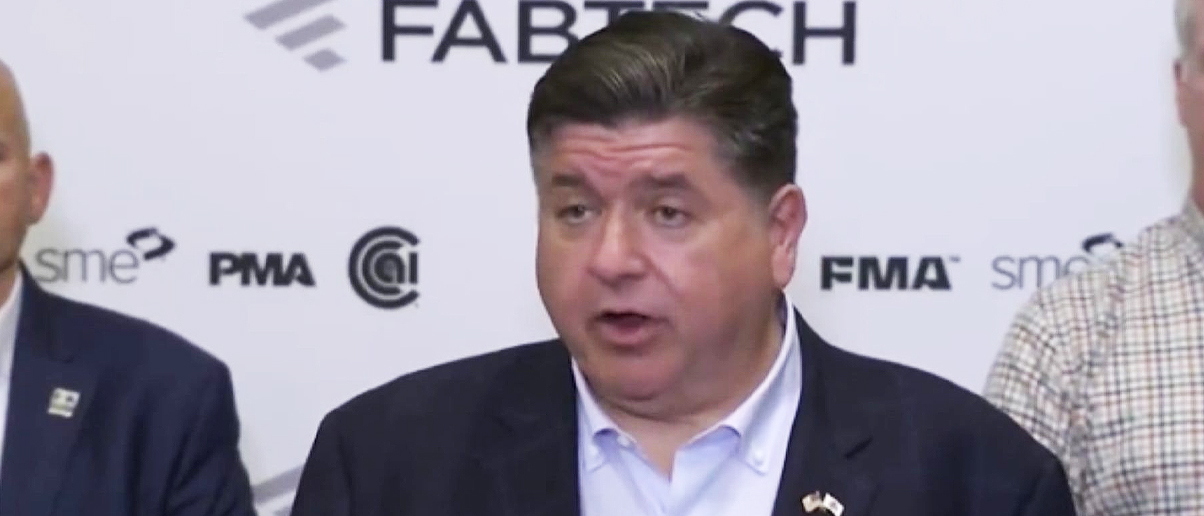

Governors whose states share the nation’s largest power grid will meet Thursday in Chicago — as critics say the grid’s members kept most decision-making power.
The PJM Governors’ Collaborative summit at the Palmer House opens with Democratic Illinois Gov. JB Pritzker and is scheduled to close at 4:30 p.m. local time with a “special announcement,” according to the event’s agenda. The meeting comes as states press PJM Interconnection for a bigger say over decisions that shape what families pay for electricity.
PJM, the largest regional transmission organization in the U.S., runs the grid serving more than 67 million people in 13 states and Washington, D.C., according to its website.
Pritzker’s office did not immediately respond to the Daily Caller News Foundation’s request for comment.
PJM’s members, including transmission owners and power generators, voted Sept. 30 on governance changes ordered by the Federal Energy Regulatory Commission (FERC), Maryland Matters reported. The plan would let governors’ offices take part in the Organization of PJM States for the first time, according to the outlet. But members would keep the final say on key filings with FERC, and two-thirds of them would have to back any proposal from the states before it moves forward.
“The fact that companies that benefit from the current rules get to write and approve their own reform highlights the broken system Marylanders are footing the bill for,” Rhyan Lake, a spokesperson for Democratic Maryland Gov. Wes Moore, said, according to the outlet.
Democratic Pennsylvania state Rep. Danielle Friel Otten said in a statement that the members gave themselves “veto power over the very decisions at issue.”
“The big picture is that a regional market needs to work for the region — power supply is not confined to state lines or political preferences,” Todd Snitchler, president and CEO of the Electric Power Supply Association, which represents competitive power suppliers, told the Daily Caller News Foundation. “The proposed changes include significant gains for states and state interests.”
“What is not desirable is a system that subjects these long-term planning decisions to potential uncertainty and partisan political swings,” Snitchler said.