




Federal Energy Regulatory Commission Proposes Fast-Tracking Gas Facility Expansions
Federal regulators unanimously proposed a new permitting system Thursday that could allow liquefied natural gas (LNG) facilities to expand without undergoing lengthy, project-specific federal reviews.
Paris Apodaca · Oct 16, 2026 · 2 min read
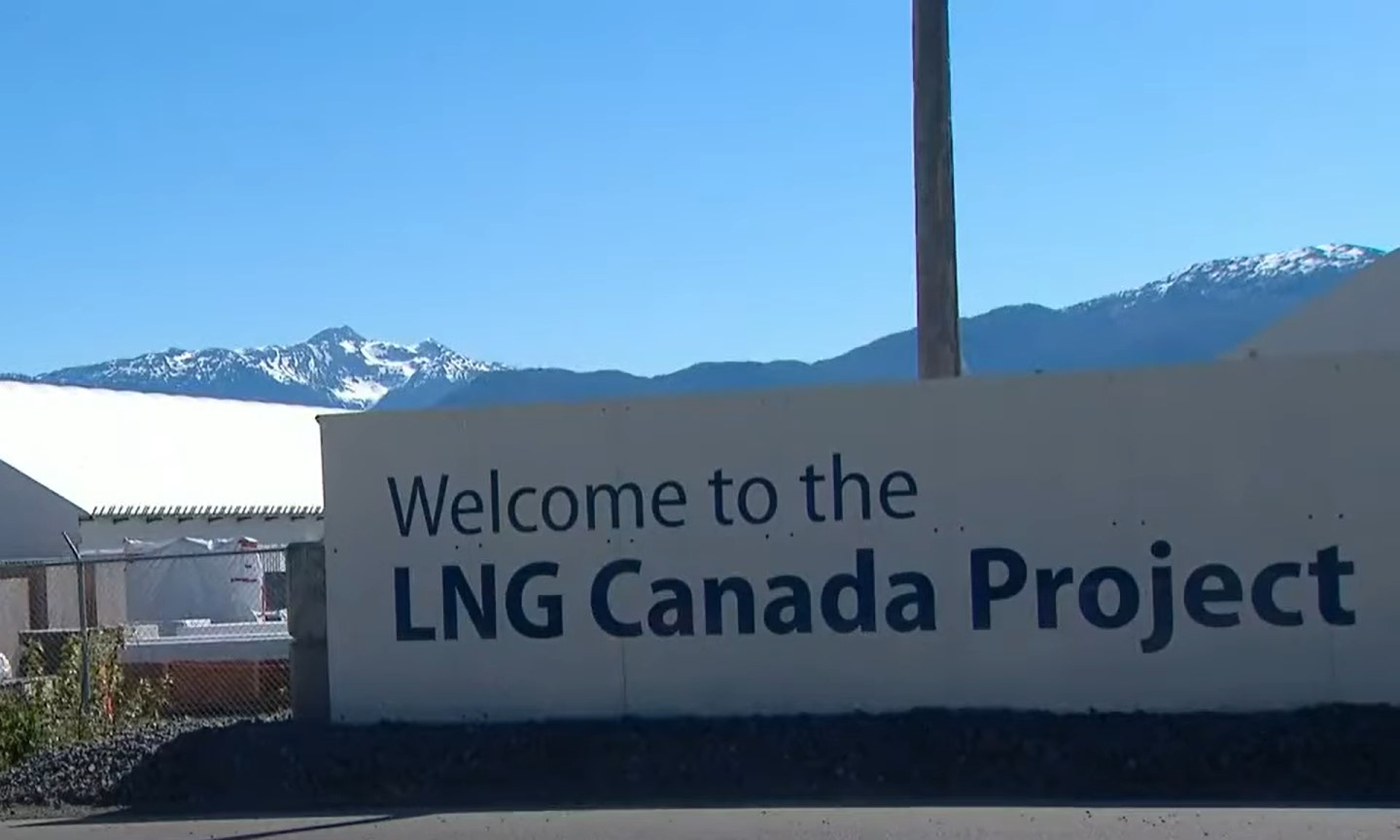

Federal regulators unanimously proposed a new permitting system Thursday that could allow liquefied natural gas (LNG) facilities to expand without undergoing lengthy, project-specific federal reviews.
The Federal Energy Regulatory Commission (FERC) proposed a blanket authorization program that would allow certain LNG construction and expansion projects to move forward without obtaining individual approvals under the Natural Gas Act, according to the Commission’s Thursday press release. The proposal aims to accelerate infrastructure development while maintaining environmental and engineering safeguards.
“This is a very significant move to streamline permitting and get the government out of the way of one of America’s most dynamic expanding industries,” energy analyst David Blackmon told the Daily Caller News Foundation.
Under the proposed framework, LNG operators could make certain modifications to existing facilities automatically, provided the changes do not increase authorized capacity, expand the facility’s footprint or exceed existing design limits.
Projects that increase capacity but remain within an existing facility’s footprint would require 60 days’ advance notice to regulators. Larger construction projects, including new LNG processing units, storage tanks and marine berths, could qualify for authorization following a 90-day notice period, subject to additional restrictions.
FERC referred the DCNF to their press release.
Blackmon pointed to an instance in which an LNG company allegedly waited more than two years for federal approval to construct a flow line between processing units intended to improve safety and efficiency.
“If approved, this authority would have avoided that and other bureaucratic delays,” Blackmon said.
The proposal mirrors a longstanding authorization program for interstate natural gas pipelines, allowing qualifying projects to proceed without separate federal approval orders.