




US monitors Siberia after Russian plague lab death
A 28-year-old Irkutsk anti-plague lab worker dies of severe pneumonia; nearly 200 contacts are watched and institute staff sleep on floors as Rubio keeps a close eye.
IJR · Oct 5, 2026 · 5 min read
Darya Shipilova, a 28-year-old laboratory worker at the Irkutsk Anti-Plague Research Institute of Siberia and the Far East, was hospitalized on Sept. 29 with severe pneumonia. She died two days later, early on Oct. 2, in Shelekhov.
More than 60 institute staff have been locked inside the facility since that day, sleeping on chairs and the floor while they wait for results.
Independent local reporting said Shipilova broke a test tube containing live plague bacteria on Sept. 25. Russia’s public-health agency, Rospotrebnadzor, recorded the death as “pneumonia of unknown etiology” and stated that tests found “no microorganisms associated with the patient’s professional activities.” The agency said no accidents involving pathogenic microorganisms had been recorded at the institute.
Gov. Igor Kobzev convened an emergency meeting on Oct. 2 and placed contacts under observation. Nearly 200 people who may have had contact with Shipilova were put under medical watch. Tests among those contacts turned up two COVID-19 cases and two rhinovirus cases; the rest were negative. Kobzev said officials were taking “a full range of anti-epidemic measures” for a suspected particularly dangerous infection and that quarantined relatives could leave the following week if their condition stayed stable. He later reported that the sanitary and epidemiological situation in Irkutsk and the nearby district remained stable, with no new institute employees seeking care in recent days.
Anna Popova, the head of Rospotrebnadzor, flew roughly 2,600 miles from Moscow to Irkutsk for the meeting with Kobzev. The Shelekhov hospital’s inpatient department was quarantined while its outpatient clinic stayed open. Quarantine was also reported at two Irkutsk hospitals and a maternity hospital, where visitors were barred and patients could not leave for up to six days. On Oct. 3 the Irkutsk Aluminum Plant in Shelekhov introduced a mask mandate. Plant director Artyom Fominykh ordered the masks with a plain rationale: “Better be safe than sorry.” Several public events in Irkutsk were cancelled over the weekend. Authorities in Baikalsk briefly advised residents to avoid travel to Shelekhov and nearby settlements on the basis of unofficial reports.
Alexei Tsydenov, head of the neighboring Republic of Buryatia, initially said Shipilova had died of plague, then revised his remarks to “maybe” plague. Andriy Aleksandrin called plague “still just a hypothesis” without laboratory confirmation. Kremlin spokesman Dmitry Peskov directed the public to Rospotrebnadzor and urged people not to listen to rumors or speculation.
Secretary of State Marco Rubio, speaking before a trip to Europe, said, “We’re watching and monitoring it closely.” He added, “I don’t think it’s cause for alarm, but it is cause for focus and a cause to just keep an eye on.” The State Department said it was aware of reports of a fatal case of suspected pneumonic plague in Irkutsk Oblast and was monitoring the situation closely with the CDC and other interagency partners. It encouraged Russian authorities to share accurate information quickly and openly, and noted that plague is treatable with common antibiotics when treatment begins early.
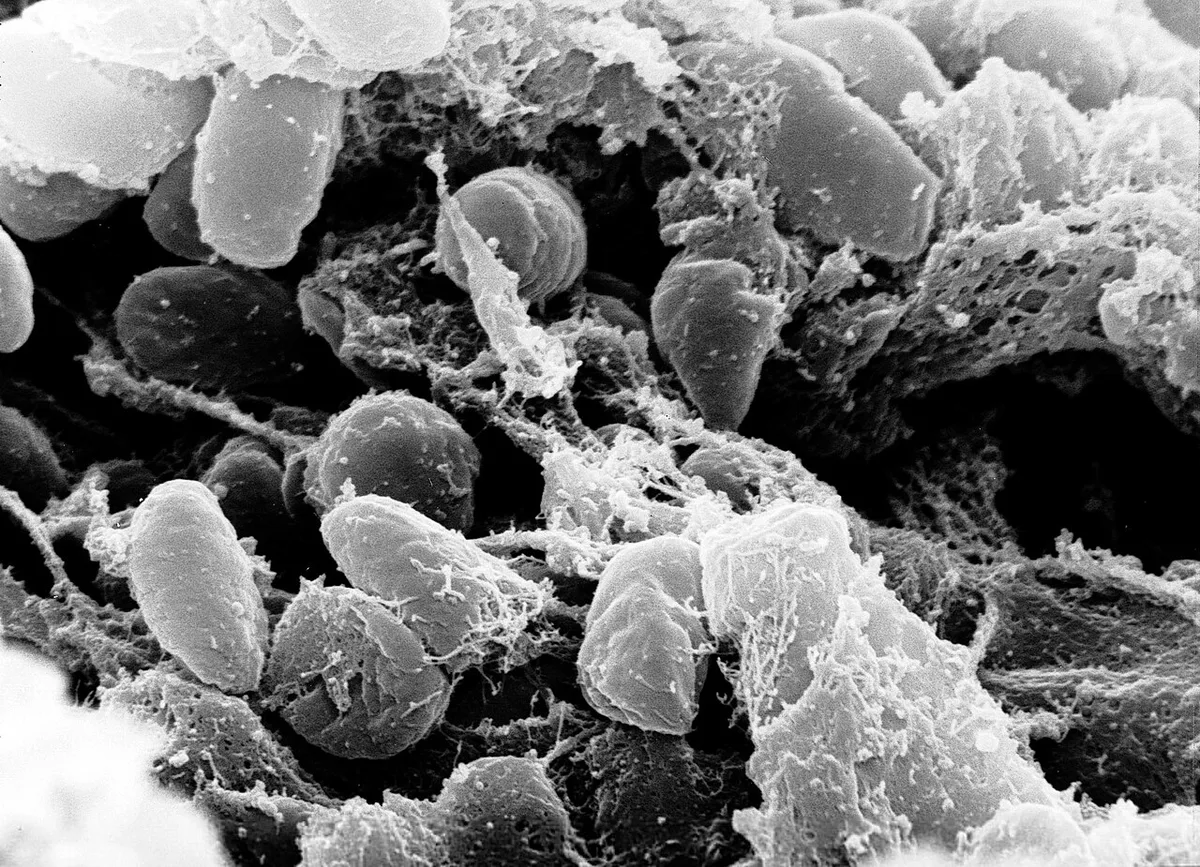
That measured stance matches the record the public has so far. The last confirmed Russian plague case was in 2016 in the Altai Republic, a 10-year-old boy who fell ill after contact with a marmot and recovered. Worldwide figures for 2010–2015 show 3,248 plague cases and 584 deaths. The disease remains endemic among wild rodents in parts of Siberia and the Russian Far East. Pneumonic plague, caused by Yersinia pestis, can move person to person through respiratory droplets and progresses quickly, yet modern antibiotics are effective if started promptly. Prof. Ian Jones of the University of Reading described the episode as a rare lab accident unlikely to go much further. Gennady Onishchenko, a former head of Rospotrebnadzor, told TASS the illness was likely not plague and that cold temperatures would limit any large-scale spread even if it were confirmed.
Fox News covered the story under the headlines “Mysterious death at Russian anti-plague lab raises concerns” and “US on alert amid Russian plague lab speculation.” Those lines track the gap that matters for American public safety and sovereignty: a worker at a facility that handles one of the world’s most dangerous pathogens dies of rapid pneumonia, local media describe a broken tube of live bacteria, and the official diagnosis remains pneumonia of unknown cause while hundreds sit under observation and staff sleep on laboratory floors.