




A few designed peaks outweigh years of ordinary time
People judge whole stretches of life by one emotional peak and the ending, so most minutes can vanish without loss.
IJR · Oct 16, 2026 · 13 min read
In 60 seconds
- Memory keeps the emotional peak and the ending of an experience and discards the rest, so a four-day trip or a multi-year customer relationship can hinge on one afternoon or one complaint call.
- Defining moments can be built on purpose from elevation, insight, pride, and connection rather than left to luck.
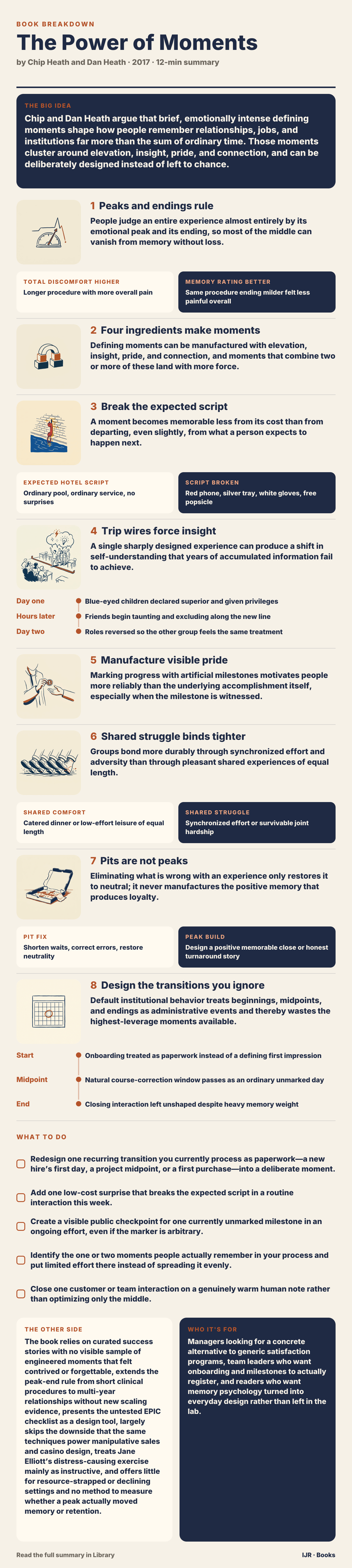
- A trivial break in the expected script, such as free popsicles delivered poolside with white gloves, sticks harder than expensive luxury.
- One sharp experience can deliver a felt realization that years of lectures and facts never produce.
- Artificial milestones and public recognition sustain effort better than waiting for the final real accomplishment.
- Shared struggle and synchrony bind groups more durably than shared comfort, and fixing pits only returns an experience to neutral while peaks must be built separately.
The big idea
Chip and Dan Heath argue that brief, emotionally intense defining moments shape how people remember relationships, jobs, and institutions far more than the sum of ordinary time. Those moments cluster around elevation, insight, pride, and connection, and can be deliberately designed instead of left to chance.
The book in brief
The Heaths start from a simple claim about memory: people do not average an experience across its full duration. They remember the peak and the ending, so most of the middle can disappear without changing the final judgment. That peak-end pattern means organizations and individuals waste effort chasing even, consistent quality when a handful of high-leverage moments carry almost all the weight afterward.
From there the book turns practical. Defining moments are not accidents. They can be assembled from four ingredients the authors label EPIC: elevation that rises above the expected script, insight that compresses a realization into a short sharp experience, pride that makes achievement visible, and connection that deepens bonds through shared meaning or struggle. Moments that combine two or more of these elements land harder.
Each ingredient gets its own treatment. Elevation comes from cheap surprises or raised stakes that break the script. Insight arrives through trip-wire experiences that force someone to feel a truth rather than hear it. Pride is manufactured with artificial milestones and public recognition long before the final outcome. Connection grows faster from synchronized effort and survivable adversity than from pleasant shared leisure.
The later chapters draw the organizational line. Fixing pits—billing errors, long waits—only restores neutrality; it never creates the memory that drives loyalty. Most customer-service money still goes to pit-fixing while peaks go unbuilt. Transitions such as onboarding, project midpoints, and endings are treated as paperwork when they are actually the highest-leverage openings available. Leaders who want defining moments must stop waiting for them and insert elevation, insight, pride, or connection into the moments their institutions already let slide by unmarked.
Context
Chip and Dan Heath published the book in 2017 after earlier work on sticky ideas and behavior change. It mattered because it took research on memory and motivation out of the lab and turned it into a concrete case for concentrating scarce effort on a few high-leverage moments instead of pursuing uniform improvement across every touchpoint.
The key ideas

1
Peaks and endings rule
People judge an entire experience almost entirely by its emotional peak and its ending, so most of the middle can vanish from memory without loss.
Total discomfort higher
Longer procedure with more overall pain
Memory rating better
Same procedure ending milder felt less painful overall
The Heaths ground the whole book in the peak-end rule. A person does not average every minute of a procedure, a vacation, or a customer relationship. Memory keeps the most intense point and the conclusion and lets the rest fade.
That pattern reframes where effort should go. An organization does not need every minute to be excellent. It needs to protect a handful of moments that will actually be recalled later. A four-day trip can be ruined by one bad final meal or made memorable by a single afternoon.
The same logic applies to multi-year relationships. One well-handled complaint call can outweigh years of routine competence. The practical shift is from chasing consistency to deliberate unevenness: flatten the routine stretches and pour resources into the peaks that memory will keep.
Consistency still matters for trust and reliability, yet the authors insist that breaking from it at the right moments produces more loyalty and meaning than treating every touchpoint the same.
In practice: In 1996 Daniel Kahneman studied colonoscopy patients and found that those whose longer procedures ended on a milder note rated the overall experience as less painful even though they had endured more total discomfort.

2
Four ingredients make moments
Defining moments can be manufactured with elevation, insight, pride, and connection, and moments that combine two or more of these land with more force.
Once the peak-end pattern is clear, the Heaths treat defining moments as design problems rather than lucky accidents. They offer four repeatable ingredients summarized as EPIC.
Elevation rises above the expected script through sensory surprise or higher stakes. Insight compresses a realization about oneself or the world into a short sharp experience. Pride marks recognized achievement through milestones or courage. Connection deepens bonds through shared meaning or shared struggle.
A graduation ceremony routinely stacks several of them: public recognition of effort, shared ritual with family and peers, and a break from routine in a special setting. The same mix can appear in a single customer-service call or a childhood memory.
Leaders do not need all four present every time. The framework functions as a generative checklist for building memorable experiences rather than a proven diagnostic score.
In practice: A graduation combines pride in public recognition, connection through shared ritual, and elevation from the special setting and break in routine.
3
Break the expected script
A moment becomes memorable less from its cost than from departing, even slightly, from what a person expects to happen next.
Expected hotel script
Ordinary pool, ordinary service, no surprises
Script broken
Red phone, silver tray, white gloves, free popsicle
Elevation is not the same as luxury. It is surprise layered onto an otherwise ordinary moment. The cheapest break in the script often outperforms expensive upgrades because it violates the guest’s or customer’s prediction of what comes next.
Raising the stakes works the same way: countdowns, public commitments, or any device that makes the next minute feel more consequential than the routine allows. The goal is to lift the experience above the ordinary path people have already scripted in their heads.
The durability problem remains open. Once a surprise becomes expected, its elevating power fades. Elevation is therefore a scarce resource that depends on novelty as much as generosity; if every hotel copied the same gimmick, the effect would likely disappear.
Organizations that want elevation must keep finding fresh departures rather than turning one successful surprise into a permanent fixture.
In practice: At the Magic Castle Hotel a red phone by the pool lets children order a free popsicle; minutes later a staff member arrives with a silver tray and white gloves, a trivial cost that produces outsized guest memory and reviews.
4
Trip wires force insight
A single sharply designed experience can produce a shift in self-understanding that years of accumulated information fail to achieve.
- Day oneBlue-eyed children declared superior and given privileges
- Hours laterFriends begin taunting and excluding along the new line
- Day twoRoles reversed so the other group feels the same treatment
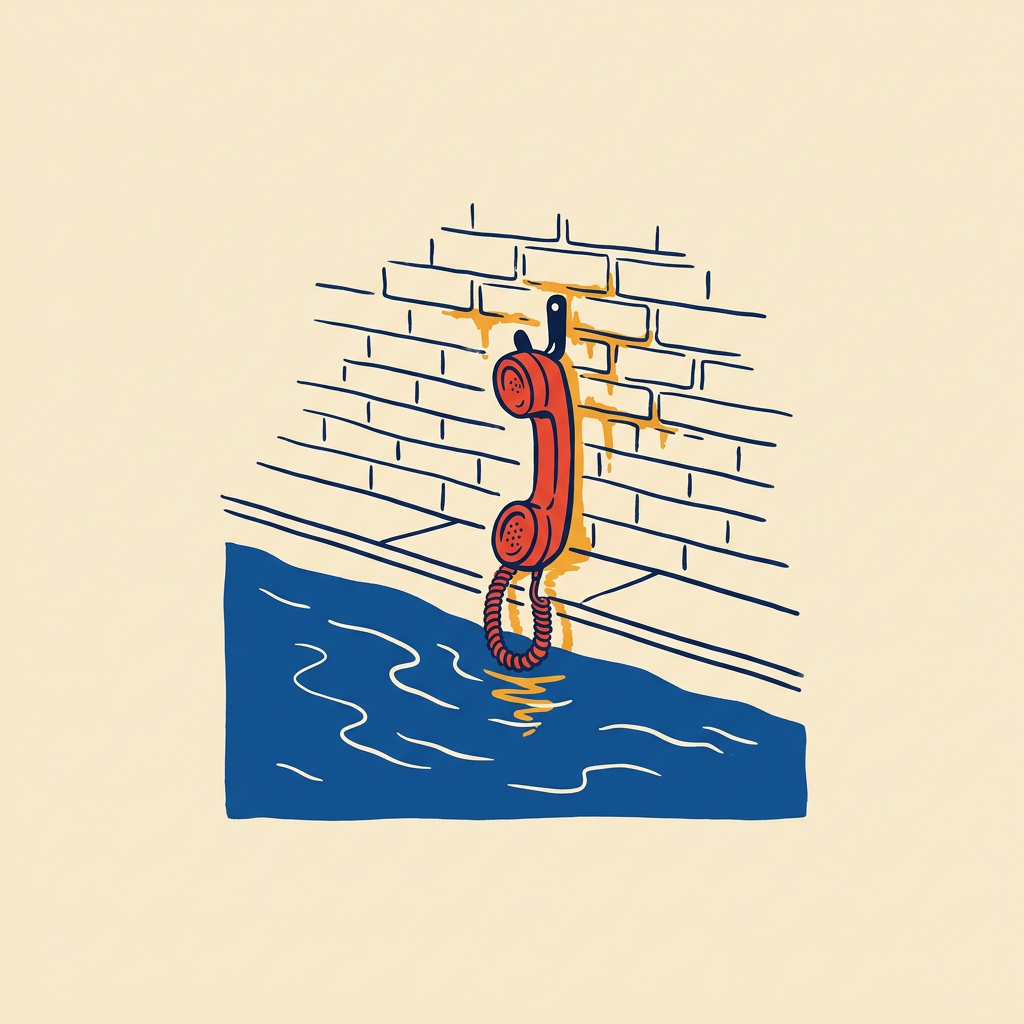
Most learning arrives slowly through repeated facts. The Heaths argue that a well-built hour can outperform months of the same information delivered as statements. The mechanism is the trip wire: a deliberate prompt that forces someone to notice what they would otherwise absorb passively or miss.
The experience has to be felt directly rather than told. When the realization is earned inside the moment, it sticks as recognition instead of second-hand knowledge. Companies can put new employees into a customer’s frustrating position; managers can stage a controlled failure so a team feels a risk that existed only on paper.
The same principle scales from classrooms to workplaces. Abstract lessons about bias, risk, or customer pain remain distant until an experience collapses the distance and makes the lesson personal.
The approach carries ethical weight. Engineered distress can teach powerfully, yet it also risks real harm to participants, a tension the book notes only briefly.
In practice: The day after Martin Luther King Jr.’s assassination, teacher Jane Elliott divided her third-grade class by eye color, gave one group privileges, then reversed the roles the next day; students later reported understanding discrimination in a way lectures never produced.
5
Manufacture visible pride
Marking progress with artificial milestones motivates people more reliably than the underlying accomplishment itself, especially when the milestone is witnessed.
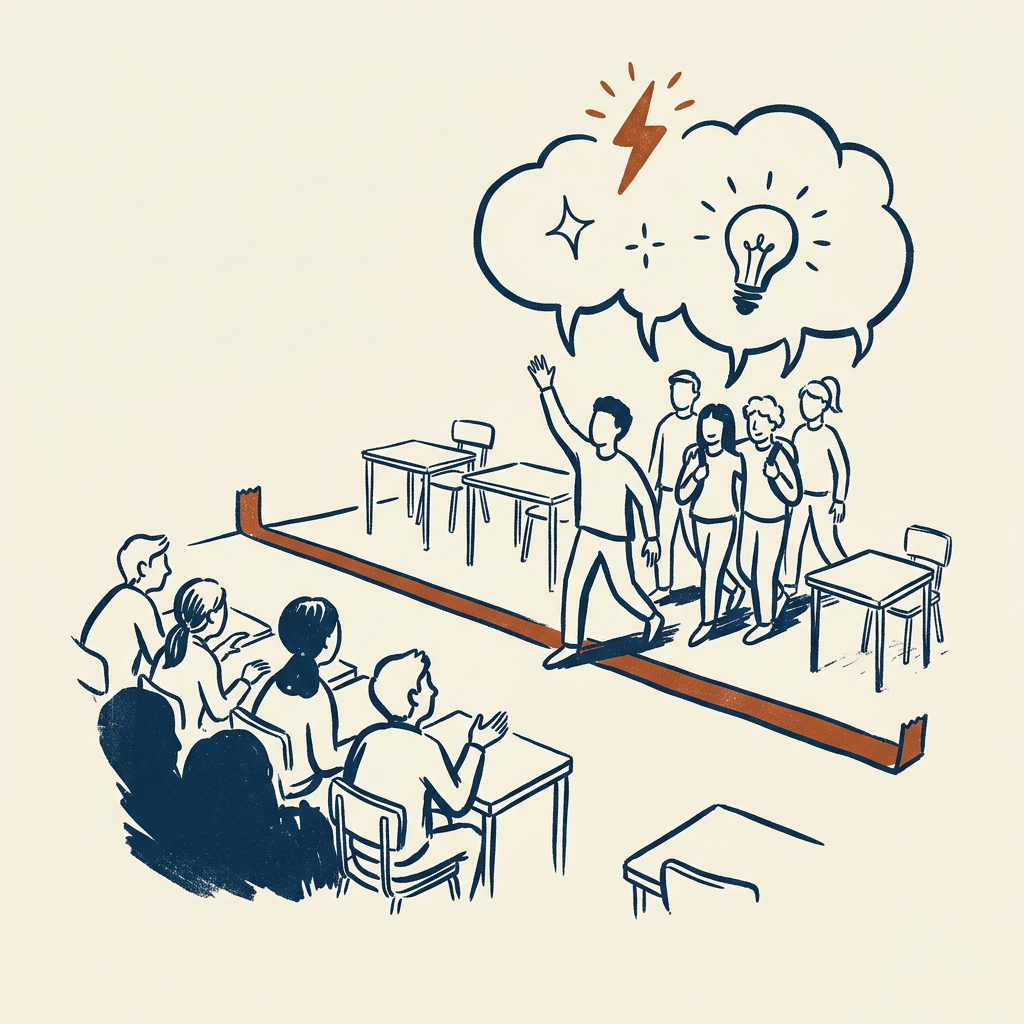
Pride is not purely private or tied only to objective results. It is amplified when effort that was invisible becomes publicly certified. Waiting for the final real outcome leaves too much of the hard work unrecognized while it is actually happening.
Organizations can place manufactured checkpoints early, before the skills or results are fully necessary. The point is the story people can tell themselves afterward about having endured or achieved something concrete. Weight-loss programs use badges for a first mile or the first five pounds lost—markers with no medical threshold that still raise adherence.
Graduation ceremonies work at larger scale. Nothing about capability changes between the day before and the day after, yet the ritual carries enormous weight because it makes years of effort visible to others.
Leaders sustaining long projects should therefore build visible artificial checkpoints rather than saving all recognition for the end.
In practice: West Point places a grueling obstacle course early in cadet training, well before the skills are operationally required, so cadets leave with a story of having endured something hard.
6
Shared struggle binds tighter
Groups bond more durably through synchronized effort and adversity than through pleasant shared experiences of equal length.
Shared comfort
Catered dinner or low-effort leisure of equal length
Shared struggle
Synchronized effort or survivable joint hardship
Comfort and perks are the usual corporate tools for relationship-building. The Heaths reverse the mechanism. Adversity that is shared, survivable, and voluntarily entered creates a story of mutual reliance that ease never generates, because comfort requires no one to depend on anyone else.
Synchrony alone can produce the effect. People who walk or sing in step later cooperate more generously with each other even when the activity itself involved no cooperation. Military basic training uses the heavier version: marching, sleep deprivation, and exhaustion forge unit cohesion faster than equal time spent on shared leisure.
Civilian teams show the same pattern. Solving a genuinely difficult problem together or enduring a shared inconvenience leaves stronger connection than a catered dinner of the same duration.
The practical implication is straightforward: a retreat built around a demanding joint task will likely outlast one built around relaxation, even though the second feels better while it is happening.
In practice: A 2009 study had participants walk or sing either in synchrony or out of sync; the synchronized groups later cooperated more generously in an economic game.
7
Pits are not peaks
Eliminating what is wrong with an experience only restores it to neutral; it never manufactures the positive memory that produces loyalty.
Pit fix
Shorten waits, correct errors, restore neutrality
Peak build
Design a positive memorable close or honest turnaround story
Pits are moments of active frustration—billing errors, long waits, rude handling. Peaks are moments that generate positive memory and advocacy. An unresolved pit can dominate recall through the peak-end rule, so fixing pits is necessary. Yet the fix itself returns the experience only to zero.
Most customer-service investment still goes toward shortening calls, scripting apologies, and tightening processes. Very little goes toward deliberately building a peak. Because endings carry extra weight, closing an interaction on a genuinely warm human note matters more than optimizing the middle of the call.
Sometimes an acknowledged failure can itself be turned into a peak. Quiet background repair keeps the pit invisible; a loud honest admission can convert weakness into a memorable story of vulnerability and improvement.
The two problems therefore need different remedies: pits call for quiet repair, while peaks must be designed on purpose.
In practice: In 2009 Domino’s publicly admitted in a national campaign that its pizza had grown mediocre and relaunched with a new recipe, turning the confession into a remembered story instead of quietly fixing the product in the background.
8
Design the transitions you ignore
Default institutional behavior treats beginnings, midpoints, and endings as administrative events and thereby wastes the highest-leverage moments available.
- StartOnboarding treated as paperwork instead of a defining first impression
- MidpointNatural course-correction window passes as an ordinary unmarked day
- EndClosing interaction left unshaped despite heavy memory weight
Project teams naturally course-correct near the temporal midpoint, yet most organizations experience that day as an ordinary Tuesday. Left unmarked, the inflection point passes without anyone noticing. A calendar trip wire—a check-in scheduled solely because it falls at the midpoint—forces the team to see the transition.
Onboarding is an even larger missed opening. New employees, students, and customers usually meet paperwork and logistics on day one, when early impressions actually anchor everything that follows. The window is one of the highest-leverage moments an institution has to shape a long-term relationship.
The default persists because processing a transition is what existing workflow already does, while designing it well requires deliberate effort no one owns. The earlier ingredients now become tools: insert elevation, insight, pride, or connection into the transitions that currently slide by unmarked.
Leaders who want defining moments to occur reliably cannot wait for them to arise. They have to claim the beginnings, midpoints, and endings their systems already ignore.
In practice: Research on project teams by Connie Gersick found that groups do most of their course-correcting at the temporal midpoint, a moment that remains invisible unless someone deliberately calls attention to it.
Key terms
- defining moments Short experiences that carry outsized weight in how a longer stretch of time is later remembered and felt
- peak-end rule The tendency to judge a whole experience by its most intense point and its conclusion rather than by the average of every minute
- EPIC The four design ingredients: elevation, insight, pride, and connection
- elevation Rising above the expected script through surprise or higher stakes
- insight A compressed, felt realization about oneself or the world delivered in a short experience
- pride Recognition of achievement made visible, often through milestones or public witness
- connection Deepened bonds formed through shared meaning or shared struggle
- pits Moments of active frustration that can dominate memory if left unresolved
- peaks Moments deliberately built to create positive memory and loyalty
- trip wire A placed prompt that forces someone to notice what they would otherwise miss or absorb passively
What to do
- Redesign one recurring transition you currently process as paperwork—a new hire’s first day, a project midpoint, or a first purchase—into a deliberate moment.
- Add one low-cost surprise that breaks the expected script in a routine interaction this week.
- Create a visible public checkpoint for one currently unmarked milestone in an ongoing effort, even if the marker is arbitrary.
- Identify the one or two moments people actually remember in your process and put limited effort there instead of spreading it evenly.
- Close one customer or team interaction on a genuinely warm human note rather than optimizing only the middle.
Questions to think with
- Which single moment in a current relationship, project, or customer journey already carries disproportionate memory weight?
- Where are you still spending effort on uniform consistency that memory will discard?
- What cheap break in the expected script could you insert without turning it into a permanent expected feature?
- Which transition—start, midpoint, or ending—does your team currently process as pure logistics?
- When does a manufactured peak risk feeling like manipulation rather than genuine recognition?
The other side
The book relies on curated success stories with no visible sample of engineered moments that felt contrived or forgettable, extends the peak-end rule from short clinical procedures to multi-year relationships without new scaling evidence, presents the untested EPIC checklist as a design tool, largely skips the downside that the same techniques power manipulative sales and casino design, treats Jane Elliott’s distress-causing exercise mainly as instructive, and offers little for resource-strapped or declining settings and no method to measure whether a peak actually moved memory or retention.
Who it's for
Managers looking for a concrete alternative to generic satisfaction programs, team leaders who want onboarding and milestones to actually register, and readers who want memory psychology turned into everyday design rather than left in the lab.