




Most daily behavior runs on loops you can rewire
Cue-routine-reward loops—not grit—drive action, and Alcoa’s safety keystone showed one redesign can lift results about fivefold.
IJR · Oct 10, 2026 · 13 min read
In 60 seconds
- Habits are cue-routine-reward loops the basal ganglia runs on autopilot once chunked, separate from conscious memory.
- A loop sticks only after the brain learns to crave the reward before the routine starts; marketers can manufacture that craving.
- You cannot delete a habit: keep the same cue and reward and swap only the routine in the middle.
- Lasting change also needs belief and community so stress does not snap people back to old grooves.
- Keystone habits cascade; O’Neill’s worker-safety focus at Alcoa rebuilt communication and helped net income rise roughly fivefold by 2000.
- Firms exploit life transitions when old habits crack, and responsibility sits in redesigning loops before a cue fires.
The big idea
Duhigg argues that most of what people and companies do is automatic habit stored as a cue-routine-reward loop, not fresh daily choice. Because the loop cannot be erased, real change keeps the old cue and reward, inserts a new routine, and anchors it in belief or group identity so it survives pressure.
The book in brief
Duhigg starts from a simple claim: huge stretches of daily life run without conscious decision. MIT maze work on rats showed the basal ganglia lighting up at the start and end of a learned run and going quiet in the middle, proof the brain had chunked the path into one automatic unit. The same hardware explains why a man with severe amnesia could still learn neighborhood routes—his habit machinery was intact even when explicit memory was not. Habits, once built, are not deleted; they persist as structure.
He then shows why a bare cue and reward are not enough. The brain must anticipate the payoff. Pepsodent’s marketed tingle taught millions to crave a clean-mouth feeling; Febreze flopped until the scent became a noticeable finish to cleaning. Anticipatory dopamine rises at the cue, before any reward arrives. Building a habit on purpose means attaching a felt payoff the brain will learn to want.
From there comes the golden rule: keep cue and reward, replace only the routine. AA, when it works, swaps a drink for a meeting or sponsor call that still relieves stress or loneliness. Tony Dungy drilled defenders to answer specific offensive cues with pre-set moves so they stopped inventing decisions under pressure. Lab swaps work short-term; durable change, Duhigg adds, usually needs belief and a community that reframes slips as temporary and the person as someone who no longer does the old thing.
The frame then scales. A keystone habit—one changed routine—can cascade. Paul O’Neill’s safety obsession at Alcoa forced open communication lines that later carried quality and cost fixes, with net income up roughly fivefold by his 2000 exit. Willpower itself is treated as a trainable keystone: it depletes like a muscle yet strengthens through practiced scripts, which is why Starbucks drilled baristas in fixed responses to rude customers. Organizations, meanwhile, run on institutional habits and unspoken departmental truces; King’s Cross, hospital error cases, and the 2005 BP Texas City blast that killed fifteen show how tolerated shortcuts and fuzzy authority quietly enable disaster.
Marketers work the same mechanics from the outside. Target’s model flagged pregnancy from shifts such as unscented lotion so the company could reach shoppers while habits were unstable. Mixed coupons hid the tactic. Duhigg closes on responsibility: knowing the loop does not excuse harm. Courts rejected a gambler’s claim that habit erased blame; a sleepwalker who killed during a night terror sits in a different moral category because no conscious window existed. Free will, in this account, lives in designing cues and replacement routines before temptation starts.
Context
Charles Duhigg released the book in 2012 as a reported synthesis of MIT habit neuroscience, corporate turnarounds, addiction programs, and consumer-data cases into one practical loop framework.
The key ideas
1
The three-part loop
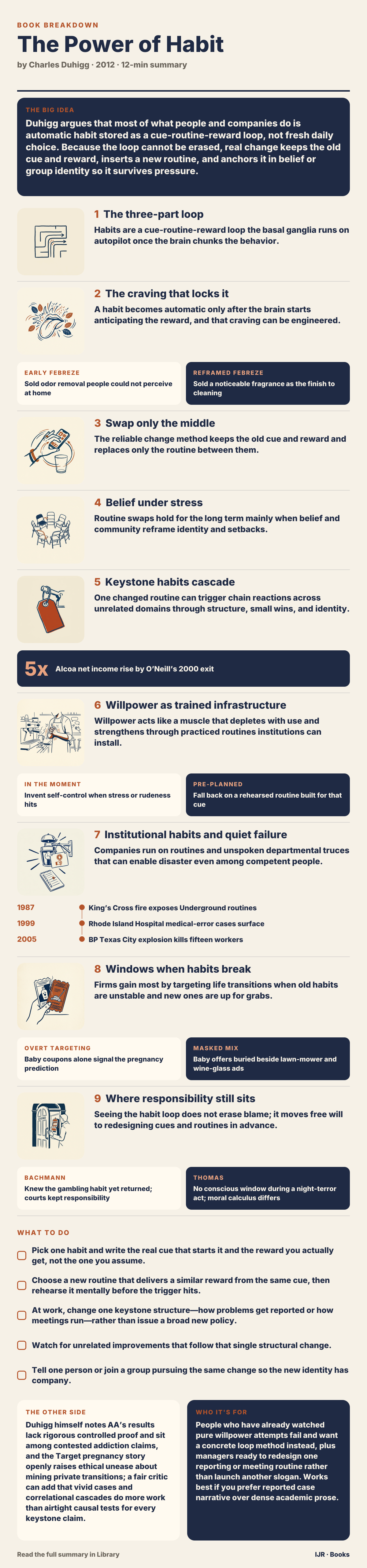
Habits are a cue-routine-reward loop the basal ganglia runs on autopilot once the brain chunks the behavior.
Duhigg opens with Ann Graybiel’s MIT rats learning a maze. As the run became habitual, brain activity spiked at the start and end and went quiet in the middle—the basal ganglia had packaged the path into one automatic unit. That chunking frees attention for other work, which is why commuting, brushing teeth, and countless small acts happen without deliberate thought.
The loop has three pieces. A cue flips the brain into automatic mode. A routine follows, physical, mental, or emotional. A reward teaches the brain the loop is worth keeping. Over time cue and reward fuse into a craving that keeps the cycle self-sustaining.
Eugene Pauly makes the neurology concrete. Viral encephalitis left him unable to form new explicit memories, yet he still learned neighborhood routes because his basal ganglia survived while his hippocampus did not. Habits, Duhigg stresses, live in different tissue from conscious decision-making.
The practical turn follows at once: once built, the loop is not erasable. Change has to work inside the structure—keep what triggers and pays off, alter what happens in between—rather than try to delete the wiring.
In practice: Pauly could navigate his block by habit despite amnesia that blocked new conscious memories.
2
The craving that locks it
A habit becomes automatic only after the brain starts anticipating the reward, and that craving can be engineered.
Early Febreze
Sold odor removal people could not perceive at home
Reframed Febreze
Sold a noticeable fragrance as the finish to cleaning
Claude Hopkins sold Pepsodent in the early twentieth century by pushing the feel of a clean, tingling mouth and the film on teeth. Citric acid in the paste added a tingle with no real cleaning power, yet that sensory signal told users the reward had arrived and helped make daily brushing mass habit within a decade.
Febreze shows the mirror case. Early marketing chased odor removal, a reward people could not sense because they were nose-blind to their own homes. Sales moved only after the fragrance was positioned as a pleasurable finish to cleaning—a noticeable capstone the brain could learn to want.
Anticipatory dopamine rises when the cue appears, before any reward is delivered. The loop is already pulling before the routine starts.
Anyone building a habit on purpose needs a concrete sensory or emotional payoff tied to the act. Abstract future gains such as long-term health rarely beat an immediate felt reward like the relief after a hard workout.
In practice: Pepsodent’s engineered tingle turned brushing into a craving-backed daily routine for millions.
3
Swap only the middle
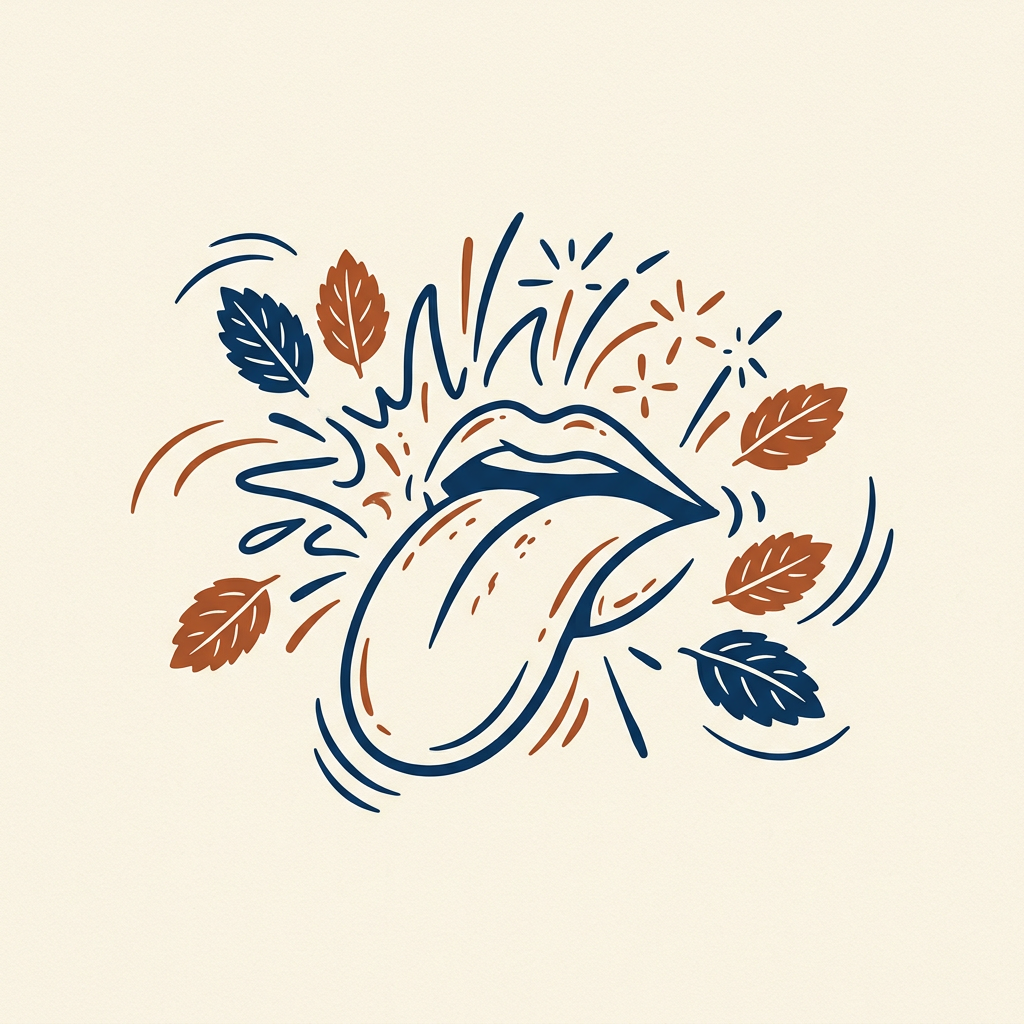
The reliable change method keeps the old cue and reward and replaces only the routine between them.
Duhigg names this the golden rule of habit change: a bad habit is not extinguished; it is overridden. Cue and reward stay wired in associative memory. A new routine is slotted into the middle.
He traces the pattern through Alcoholics Anonymous reporting. Cues such as stress or loneliness still fire; the substitute routine—calling a sponsor, sitting in a meeting—aims to deliver relief or connection without the drink.
Football supplies a cleaner lab. Tony Dungy rebuilt Tampa Bay’s defense by drilling players to answer narrow cues, such as an offensive lineman’s shift, with pre-set automatic responses. Split-second invention under pressure dropped away; the defense became historically fast, though playoff wins still waited until his later Super Bowl with Indianapolis.
Changing the routine is necessary and still not always enough on its own. Belief and support enter in the next turn of the argument.
In practice: Dungy’s players answered a lineman’s shift with drilled automatic reactions instead of fresh decisions.
4
Belief under stress
Routine swaps hold for the long term mainly when belief and community reframe identity and setbacks.
Mechanical substitution works in labs and short trials. Lasting recovery from addiction or crisis, Duhigg argues, usually also needs a conviction that change is possible, often carried by a group.
He returns to AA members who credit not only meetings-for-drinks but faith in a higher power or in the fellowship itself. Vanderbilt work on relapse found that people taught to treat a slip as proof of total failure relapsed harder after one drink than those taught to see a slip as temporary.
Ordinary cases—Bagshaw and other AA members, a bus driver named Mandy who quit smoking—stick in his telling only after a community or a new self-story made the identity feel stable, not like a checklist.
The tidy golden rule therefore gets a limit. Under stress, people fall into old grooves unless a belief system reframes both the setback and the kind of person they are. In companies that belief shows up as culture.
In practice: Mandy’s smoking change held once a community and a new story about herself made the identity feel real.
5
Keystone habits cascade
One changed routine can trigger chain reactions across unrelated domains through structure, small wins, and identity.
5x
Alcoa net income rise by O’Neill’s 2000 exit
Duhigg’s main organizational claim is the keystone habit: a single focus that sets off change far beyond its own box. Paul O’Neill took over Alcoa in 1987 and obsessed over worker safety and zero injuries instead of a profit speech. Analysts were baffled.
Safety forced faster hazard reporting and a direct line from any factory floor to O’Neill, bypassing usual hierarchy. Those same channels then carried efficiency, quality, and cost problems. By his 2000 exit, annual net income had risen roughly fivefold and injuries had fallen to among the best in American industry.
Individual patterns rhyme. Cornell-linked family dinner routines correlate with better homework habits and emotional regulation in kids, not because the meal teaches those skills directly but because the ritual reinforces other stabilizing practices such as regular bedtimes. People who start exercising often begin eating better and putting off less work even without orders to do so.
Keystones work, in his account, by building infrastructure, small wins, and a shifted identity that make neighboring changes easier—not by directly causing every downstream result.
In practice: Alcoa’s floor-to-CEO hazard line, built for safety, later moved quality and cost fixes too.
6
Willpower as trained infrastructure
Willpower acts like a muscle that depletes with use and strengthens through practiced routines institutions can install.
In the moment
Invent self-control when stress or rudeness hits
Pre-planned
Fall back on a rehearsed routine built for that cue
Duhigg treats willpower as the prime individual keystone. Angela Duckworth’s work with economist colleagues found self-discipline predicted eighth-graders’ school performance more strongly than IQ. Walter Mischel’s late-1960s marshmallow tests linked kids who could wait for a larger reward with better later outcomes, including higher SAT scores.
Later research he cites frames willpower as depleting with use—ego depletion—yet trainable through small repeated exercises so control in one domain spills into others.
Starbucks becomes the corporate proof. Its LATTE training gave baristas scripted responses for rude customers so they did not have to invent self-control in the heat of the moment. Heavy investment followed because turnover and uneven service were costly; practiced routines improved retention and performance.
On this view, willpower failures are often failures of foresight—no pre-planned response ready when stress hits—rather than a fixed character flaw. Self-control becomes habit infrastructure you install ahead of time.
In practice: Starbucks baristas fell back on drilled scripts when a customer turned rude instead of improvising grit.
7
Institutional habits and quiet failure
Companies run on routines and unspoken departmental truces that can enable disaster even among competent people.
- 1987King’s Cross fire exposes Underground routines
- 1999Rhode Island Hospital medical-error cases surface
- 2005BP Texas City explosion kills fifteen workers
Duhigg extends the loop to organizations. Firms develop standard ways of handling recurring situations that act like habits and often outrank written policy.
Disaster cases share a shape. The 1987 King’s Cross fire, 1999 Rhode Island Hospital error patterns, and the 2005 BP Texas City refinery explosion that killed fifteen workers each had an immediate broken part or missed signal. Underneath sat years of tolerated shortcuts and unclear authority no single earlier incident had forced into the open.
He also tracks organizational truces—informal deals between departments over power and resources. After mergers and internal fights those truces harden because reopening them threatens status and security, much as personal habits resist rewrite.
Leaders cannot fix this with mission statements or new incentives alone. They have to find and redesign the specific routines and truces that actually move information and authority day to day.
In practice: BP’s Texas City blast followed long-standing routines of shortcuts and fuzzy chains of command.
8
Windows when habits break
Firms gain most by targeting life transitions when old habits are unstable and new ones are up for grabs.
Overt targeting
Baby coupons alone signal the pregnancy prediction
Masked mix
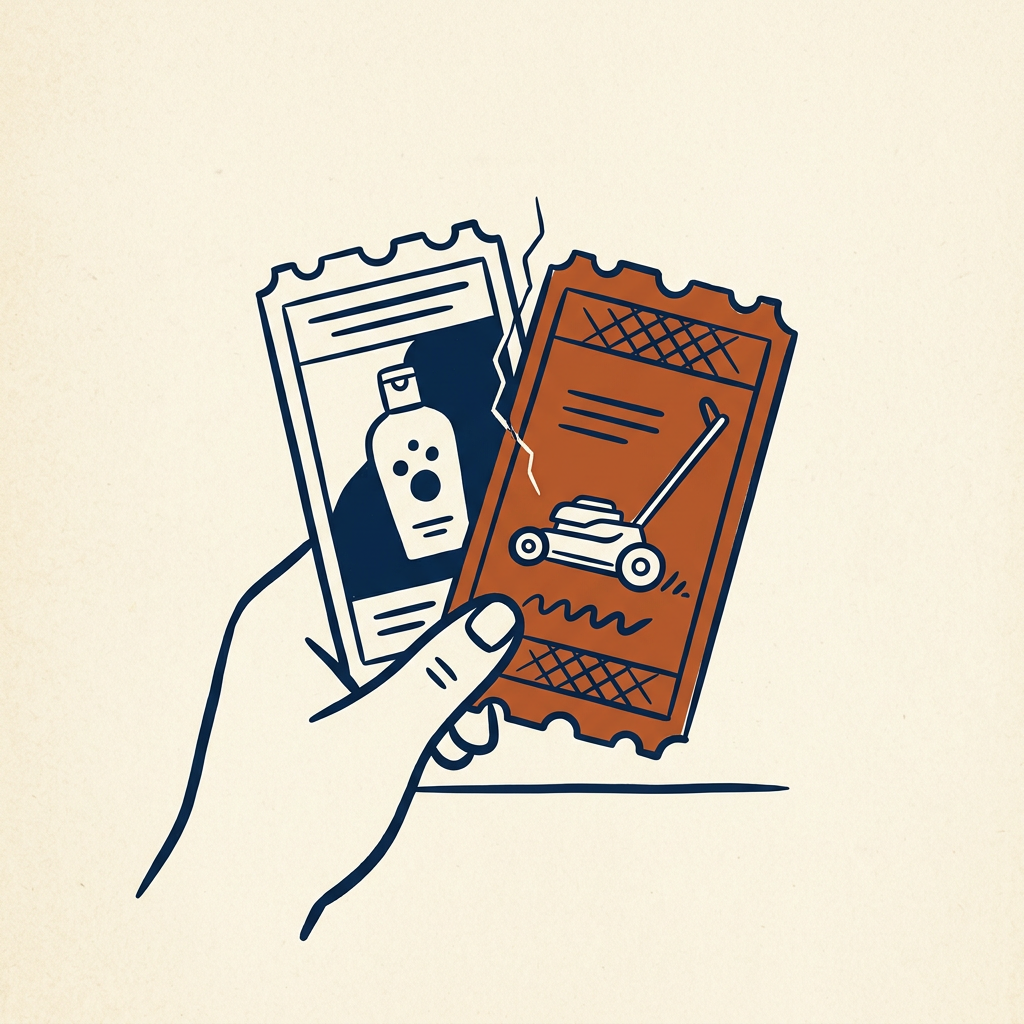
Baby offers buried beside lawn-mower and wine-glass ads
Target’s mid-2000s model, built with statistician Andrew Pole, flagged pregnant shoppers from subtle purchase shifts such as unscented lotion and certain vitamins around the second trimester. The aim was baby-related offers before rivals arrived.
Major transitions—pregnancy, marriage, moving, divorce—are the periods Duhigg says habits are most open to outside redesign. New parents and new movers are unusually ready to form fresh brand loyalties.
The famous complaint came from a father angry that his teenager received baby coupons, then apologizing when the pregnancy proved real. Creepiness risk was real.
Target’s fix mixed baby offers with unrelated ads for wine glasses or lawn mowers. Shoppers still responded without clocking why the packet arrived. The broader marketing claim: win the windows when habits are absent, not only the habits already in place.
In practice: Target hid pregnancy-timed baby coupons beside offers for lawn mowers and wine glasses.
9
Where responsibility still sits
Seeing the habit loop does not erase blame; it moves free will to redesigning cues and routines in advance.
Bachmann
Knew the gambling habit yet returned; courts kept responsibility
Thomas
No conscious window during a night-terror act; moral calculus differs
A through-line objection asks where responsibility goes if so much behavior is automatic. Duhigg answers with two opposing cases.
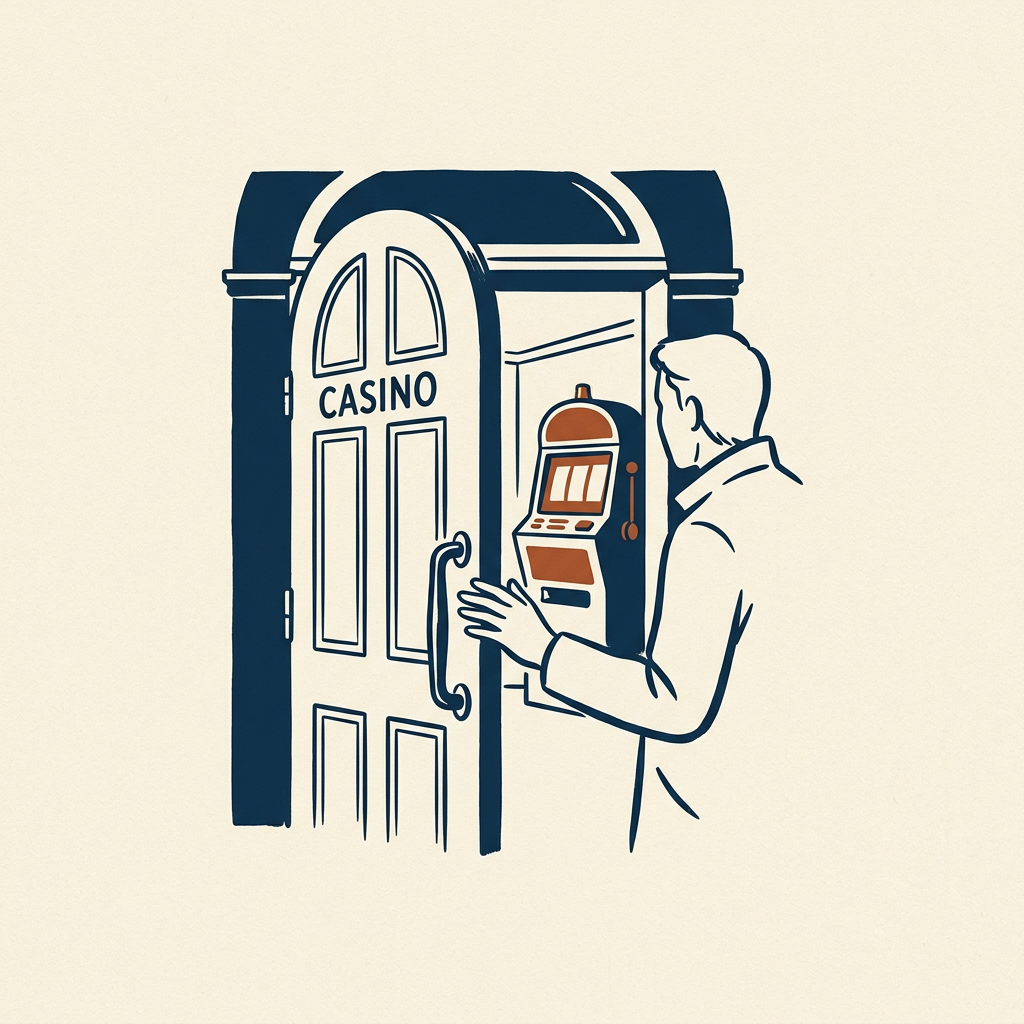
Angie Bachmann built a severe casino gambling habit in Iowa and later sued, arguing her habit-driven brain erased responsibility for hundreds of thousands in losses. Courts rejected the defense: awareness of a habit creates an obligation to manage it.
Brian Thomas killed his wife during a night-terror sleepwalking episode. Duhigg treats the moral math as genuinely different because Thomas had no conscious window during the act, unlike Bachmann, who knew the problem and still returned.
Neuroscience, in this closing, does not cancel free will; it relocates it. People and organizations often cannot stop an urge at the exact moment a cue fires. They can, once they see the loop, remove cues, shape environments, or install replacement routines beforehand. Self-knowledge acted on early is the real site of duty.
In practice: Courts held Bachmann responsible because she knew the gambling loop and still walked back in.
Key terms
- Habit loop The cue-routine-reward cycle the brain runs automatically once learned
- Cue The trigger that puts the brain into autopilot mode
- Routine The behavior—physical, mental, or emotional—that follows the cue
- Reward The payoff that teaches the brain the loop is worth remembering
- Craving Anticipation of the reward that makes the loop self-sustaining
- Golden rule of habit change Keep the same cue and reward; replace only the routine in between
- Keystone habit One changed routine that sparks cascading change in other areas
- Ego depletion The finding that willpower tires with use, like a muscle
- Organizational truce Unspoken deal between departments over power and resources that resists rewrite
- Basal ganglia Brain region that stores chunked habits apart from conscious memory
What to do
- Pick one habit and write the real cue that starts it and the reward you actually get, not the one you assume.
- Choose a new routine that delivers a similar reward from the same cue, then rehearse it mentally before the trigger hits.
- At work, change one keystone structure—how problems get reported or how meetings run—rather than issue a broad new policy.
- Watch for unrelated improvements that follow that single structural change.
- Tell one person or join a group pursuing the same change so the new identity has company.
Questions to think with
- What cue actually starts your hardest habit, and what reward do you truly get from it?
- Which single team routine, if redesigned, might cascade into communication or quality elsewhere?
- When stress hits, what belief or group makes you treat a slip as temporary rather than total failure?
- Which recent life transition left your habits open—and who reached you then?
- If you already see the loop, what cue can you remove or what replacement can you install before temptation starts?
The other side
Duhigg himself notes AA’s results lack rigorous controlled proof and sit among contested addiction claims, and the Target pregnancy story openly raises ethical unease about mining private transitions; a fair critic can add that vivid cases and correlational cascades do more work than airtight causal tests for every keystone claim.
Who it's for
People who have already watched pure willpower attempts fail and want a concrete loop method instead, plus managers ready to redesign one reporting or meeting routine rather than launch another slogan. Works best if you prefer reported case narrative over dense academic prose.