




Smart teams fail when people refuse to be vulnerable
When hallway venting replaces real debate, talented executives still produce bad outcomes—and the repair starts lower than most leaders expect.
IJR · Oct 19, 2026 · 12 min read
In 60 seconds
- Teams fail from a predictable relationship chain, not from missing talent or money.
- Without willingness to admit weakness, every later interaction stays guarded and political.
- Polite meetings that hide disagreement produce worse decisions than open argument over ideas.
- Real buy-in comes from being fully heard in debate, not from consensus or certainty.
- Peers calling each other out—not the boss alone—makes commitments actually stick.
- Shared concrete scoreboards beat department wins only after the lower layers are fixed.
The big idea
Lencioni claims team failure is one causal chain: no vulnerability blocks honest conflict, which blocks real commitment, which blocks peer accountability, which leaves people chasing personal status over collective wins. Jumping straight to results or enforcement without repairing the base only produces politics and hollow agreement.
The book in brief
DecisionTech looks like a team that should win. Strong funding, a respected board, and individually impressive executives still leave the company failing. The board installs Kathryn Petersen as CEO. She watches early meetings and sees the real gap: nobody disagrees out loud, nobody admits confusion, and real decisions happen in hallways afterward. The cause is not a skills shortage. It is a relationship gap that starts with no willingness to be vulnerable.
From that first crack the rest follows in order. Without vulnerability, people stay guarded, so ideological conflict never happens in the room. Without that conflict, agreement is only quiet compliance that unravels later. Without genuine commitment, nobody wants to confront a peer who slips. Without peer pressure on standards, everyone defaults to making their own department look good instead of owning a shared scoreboard.
Kathryn refuses the board’s pressure to chase short-term numbers first. She starts at the base with modest history-sharing, then forces disagreements into the open, then ends meetings with explicit clarity on what was decided, then pushes the team to address underperformance together, and only then locks the group to one concrete collective measure. Each layer unlocks the next; skipping ahead fails.
The close of the arc is practical and unsentimental. Repair is not one retreat or one speech. It is repeating structural habits—naming avoided conflict in the moment, ending every big discussion with a clear cascade of what was decided, running brief public progress checks, keeping one shared goal visible—long after the initial energy fades. DecisionTech improves only because Kathryn keeps returning to those habits when old patterns try to reassert themselves.
Context
Patrick Lencioni published the book in 2002 as a leadership fable built around a fictional Silicon Valley executive team. It mattered because it handed managers a simple diagnostic vocabulary for a problem business schools rarely addressed directly: why smart people in a room together still produce bad collective outcomes.
The key ideas

1
Talent does not save teams
Most executive teams look strong on paper and still underperform because the gap is relational, not a shortage of skill or resources.
On paper
Funding, board, impressive individual résumés
In the room
No open doubt, hallway decisions, collective underperformance
DecisionTech has funding, board support, and executives who are impressive alone. Together they are corrosive. Kathryn inherits a brilliant but abrasive engineering lead, a marketing head who talks more than he listens, and others who never surface doubt in the room.
She notices the pattern fast: no open disagreement, no admission of weakness, decisions finished in hallway side talks. The instinct many leaders feel—add process, rewrite job descriptions, hire smarter people—misses the point. Dysfunction here is sequential. Each failure sets up the next.
Lencioni’s claim through her notes is blunt. No amount of added talent fixes a group that skipped the foundational step of real trust. The rest of the story exists to walk the same team through slow repair from the base upward rather than treating missed deadlines as the root problem.
In practice: DecisionTech’s executives stay competent as individuals yet the company fails until Kathryn stops treating the issue as a skills gap and starts treating it as a relationship gap.

2
Vulnerability before reliability
Predictable competence is not enough; teams need people willing to say they were wrong or need help without fear it will be weaponized later.
Predictive trust
I know your skills and past behavior
Vulnerability trust
I can admit weakness without it being used against me
Two kinds of trust sit side by side. One is confidence that a colleague’s skills and past behavior make their next move reliable. The other—and the foundation Lencioni treats as real—is the willingness to admit error, confusion, or a better idea without bracing for later punishment.
DecisionTech has the first kind in abundance and none of the second. Kathryn runs a modest personal-histories round: low-risk questions about first jobs or hard family stretches. JR Higgins, the sales lead, explains constant childhood moves tied to a military father, which suddenly frames his discomfort with ambiguity as human rather than obstruction.
The exercise is deliberately small. Trust does not arrive from one retreat or a trust fall. It begins when colleagues stop reading each other only as rivals. Without that baseline, every sentence gets filtered through self-protection. Energy that should go to the work goes to managing appearances and quietly filing others’ failures for defense. That permanent low-grade guardedness makes the next failure—avoided conflict—almost inevitable.
In practice: After the histories round, JR’s restlessness reads as biography instead of pure resistance, cracking the surface enough for later honesty.
3
Polite calm can be the problem
Avoiding open ideological conflict does not create harmony; it creates artificial calm that hides problems until they become expensive.
Artificial calm
Orderly meetings, side venting, untested plans
Open idea conflict
Disagreement in the room, stress-tested decisions, shared ownership
With no trust, DecisionTech meetings stay polite and stall. Disagreements migrate to private venting with one ally instead of being tested against the whole group. From the outside the room looks healthy. A visitor would see order and conclude the team works. The calm is actually missing friction.
Kathryn pushes them to surface buried disagreement. When she senses two people holding back, she names it and asks them to argue it in front of everyone. The turn comes when Mikey from marketing and Martin from engineering finally clash over a product call that earlier would have stayed unresolved and private.
Conflict aimed at ideas, not personalities, is treated here as a requirement for good decisions, not a symptom of failure. Teams that prize a conflict-free culture often optimize for the wrong thing. Plans that were never stress-tested fail later, and nobody feels ownership of the repair.
In practice: Mikey and Martin’s open product argument, once forced into the room, replaces the earlier pattern of private, unresolved side talk.
4
Debate produces buy-in
Genuine commitment comes from having every view heard before a call is made, not from full consensus or certainty about the outcome.
A team that never fights rarely commits. At DecisionTech, earlier decisions quietly unravel weeks later because unspoken doubts keep living in private and slow down execution.
Lencioni frames the difference as clarity versus consensus. Waiting for total agreement often yields watered-down choices or no choice at all. A group that debates fully, then commits—even with dissent still present—moves with more unity than a group that never had the argument. Ambiguity, not disagreement, is the real enemy. Hedge-everything language feels diplomatic and leaves everyone free to reinterpret later.
The practical fix is simple and strict: end important discussions with an explicit statement of what was decided and by when. Lack of clarity can no longer masquerade as agreement.
In practice: A market-focus pivot is nominally accepted, then two executives keep running the old plan until Kathryn forces the buried disagreement into the open once; afterward the team finally moves in one direction.
5
Peers enforce, not only the boss
Follow-through depends on colleagues calling each other out directly; outsourcing every standard to the leader does not scale and breeds quiet resentment.
Upward outsourcing
Complain to the CEO, wait for private reprimand
Peer accountability
Direct call-outs in the room as ordinary respect
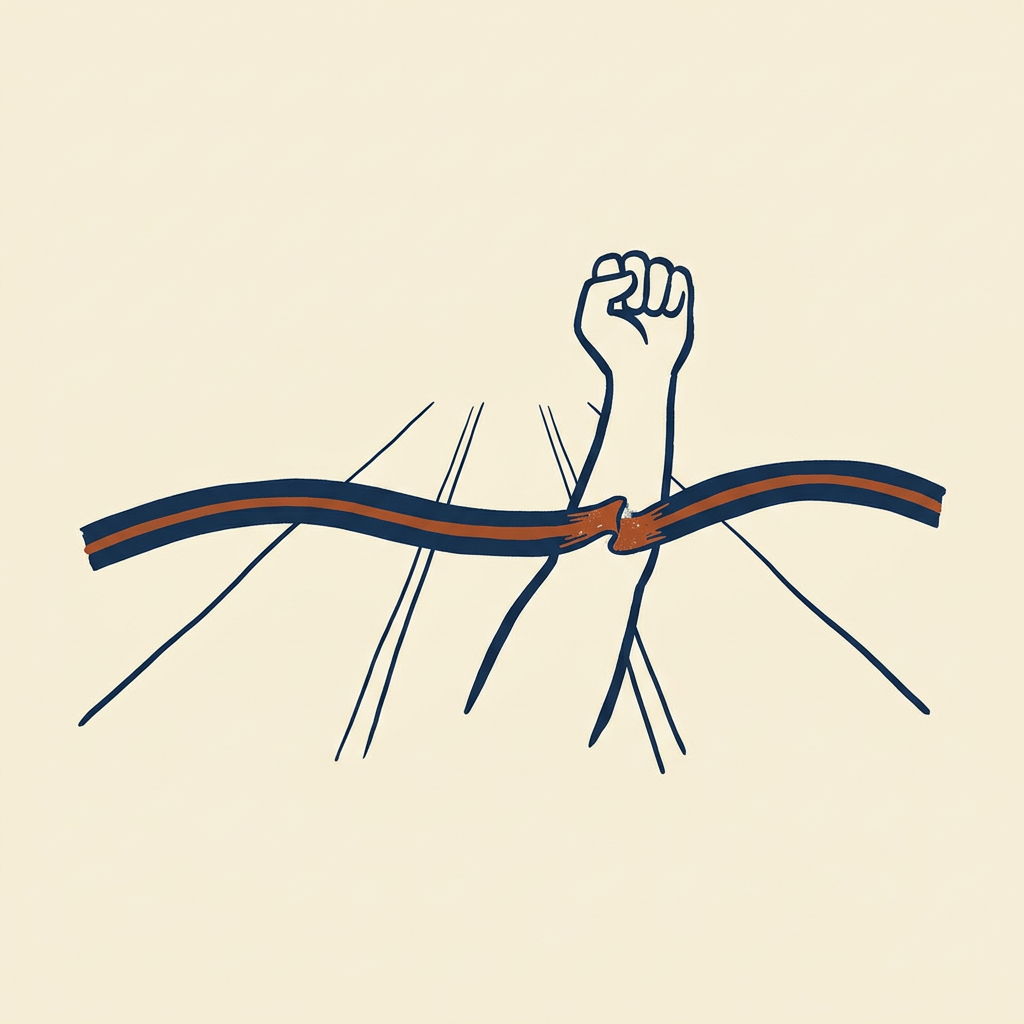
Once a plan is real, someone must name the shortfall. Most people would rather not. Mikey repeatedly misses deadlines and arrives unprepared. Everyone sees it. Nobody speaks to her. They complain to Kathryn or grumble sideways and wait for the CEO to act.
That default—pushing all enforcement upward—is a trap. The leader becomes the only standard-bearer, which fails to scale, creates resentment when the leader finally steps in, and signals that peer standards do not matter. Healthy teams treat direct, low-cushion call-outs as respect for the mission and for each other’s success.
Kathryn eventually refuses to referee Mikey alone. She makes the team address it together in a meeting. It is uncomfortable and more effective than a private CEO reprimand. The sequence still matters: peer pressure without prior trust and clear commitment feels like attack or politics, not support.
In practice: When Kathryn will no longer handle Mikey’s missed deadlines privately, the group must confront the pattern in the room instead of waiting for the boss.
6
Individual wins can mask team loss
The top failure is hard-working people measuring success by department or career status instead of a shared collective scoreboard.
Private scoreboards
Department metrics and personal status
Shared scoreboard
One concrete team goal everyone is judged by
Inattention to results is not laziness. DecisionTech’s executives work long hours and care about their functions. Engineering ships features, sales hits its number, marketing lands press. Each still defines winning locally.
Lencioni treats this as the downstream result of the earlier four failures. Without trust, conflict, commitment, and peer pressure, nothing forces a shared scoreboard, so people default to whatever makes them look strong. From a distance it can still resemble high performance.
The proposed fix is a public, specific, collectively owned goal. A strong quarter for one department cannot count as a win if the company missed the target. At DecisionTech the team finally locks onto one brutally clear customer-retention number for the quarter, replacing the vague sense that everyone was already doing their best.
In practice: Replacing scattered departmental pride with one shared customer-retention number makes individual excuses harder when the collective target slips.

7
The chain is the model
The five failures are one causal stack, so fixing results or accountability first fails if the trust base is still broken.
- Results focusCollective scoreboard over status
- AccountabilityPeers confront missed commitments
- CommitmentClarity after full debate
- ConflictOpen argument over ideas
- TrustWillingness to be vulnerable
Absence of trust sits at the base; inattention to results sits at the top. Each layer causes the one above it and caps how much progress is possible higher up. A leader cannot skip to enforcement or numbers without repairing vulnerability and conflict, no matter how loud the results crisis feels.
Kathryn resists board pressure to chase short-term hits first. Early meetings spent on trust look like a distraction from financial trouble. The later payoff is speed and durability: once real trust and open conflict exist, commitment, accountability, and results lock in faster than any mandate could have forced from day one.
Common fixes fail for this structural reason. Peer-accountability rituals on a low-trust team become score-settling. Ambitious collective goals on a team that never argued honestly get quietly ignored after the meeting. The pyramid’s lasting use is diagnostic: find which layer is actually broken instead of treating every problem as a vague results or communication issue.
In practice: Kathryn spends scarce early time on base-layer trust despite board urgency on numbers; the upper layers then hold because the foundation was built.
8
Habits beat one offsite
Repair requires deliberate recurring structures the leader keeps enforcing after the first wave of enthusiasm dies.
Closing chapters shift from story to mechanisms. Trust work starts with repeatable low-risk history sharing, then moves to harder pairwise feedback: each person names one most valuable contribution and one biggest concern about every other member. DecisionTech finds even unsentimental executives hit emotion there.
For conflict, leaders name avoidance in the moment and teams grant real-time permission to interrupt false calm so surfacing disagreement becomes ordinary. For commitment, every significant meeting ends with a clear cascade: what was decided, who must hear it, by when. For accountability, brief progress checks become a standing agenda item so standards do not depend on someone bravely raising them unprompted. For results, one singular time-bound shared goal stays visible instead of dissolving into private departmental translations.
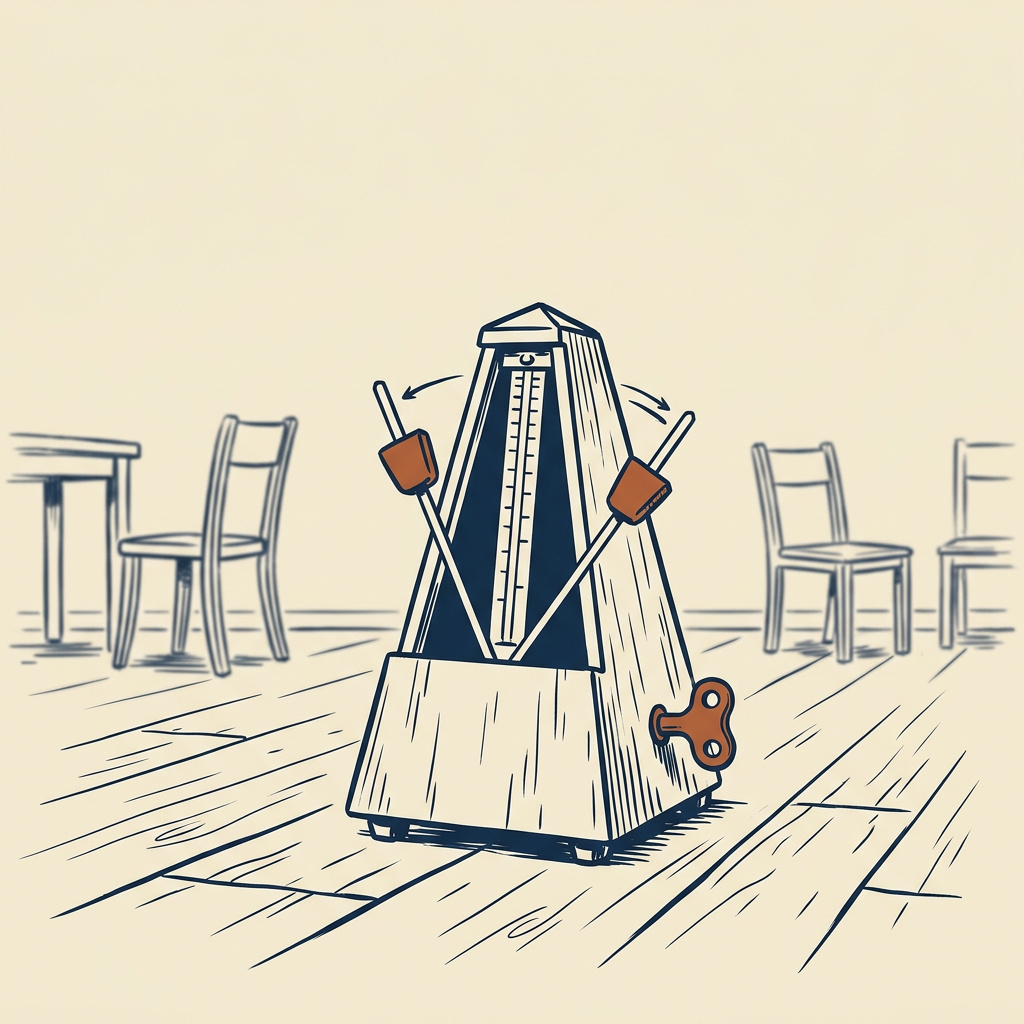
None of it is a single event. The team does not heal after one offsite. It heals across months of Kathryn returning to the same mechanisms while old habits keep trying to return. That repetition is presented as the realistic price of changing how a group actually operates.
In practice: DecisionTech runs the contribution-and-concern feedback round and discovers it is unexpectedly raw; lasting change still depends on months of repeated meeting habits, not that single session.
Key terms
- Vulnerability-based trust Willingness to admit mistakes, confusion, or need for help without fear it will be used against you
- Predictive trust Confidence someone will act reliably based on their skills and past behavior
- Artificial harmony Surface politeness that hides real disagreement and blocks better decisions
- Mining for conflict Deliberately calling out unspoken disagreement so it gets argued in the open
- Clarity over consensus Committing after full debate even without total agreement or certainty
- Cascading communication Ending a meeting with an explicit statement of what was decided, who needs to know, and by when
- Peer accountability Colleagues directly naming missed commitments instead of waiting for the boss
- Thematic goal One public, specific, time-bound collective target the whole team is measured against
What to do
- Open your next team meeting with one real background or early-career hardship question and listen before the agenda.
- When disagreement is being smoothed over, name it aloud and have the people involved argue it through in the room.
- End every decision discussion with a spoken summary of what was decided and who will communicate it by when.
- Choose one shared measurable team goal for the quarter and revisit it explicitly in every subsequent meeting.
- Add a brief public progress check against specific commitments as a standing part of regular meetings.
Questions to think with
- Which layer of the chain is actually broken on your team right now, and what evidence points there instead of to ‘results’ in the abstract?
- Where do real decisions happen—in the room or in hallways afterward—and what would it take to move them back?
- What collective number, if missed, would make a strong departmental week still count as a failure?
- Who on the team never gets direct peer feedback, and what makes that silence feel safer than honesty?
- If you forced one avoided argument into the open this week, which decision would get clearer?
The other side
The fable resolves a cooperative fictional team in a few months under one unusually empowered CEO, which real organizations rarely have; the model rests on consulting stories rather than controlled studies, treats the pyramid sequence more rigidly than many teams experience, and says little about power gaps, culture differences, remote work, or genuinely incompetent or bad-faith members.
Who it's for
Executives who inherited talented but underperforming leadership teams, managers who dread meetings because disagreement only appears afterward, and consultants who need a shared diagnostic vocabulary for group failure will get the most from reading the full fable and its habit checklist.