




Trauma rewires the body long after the danger ends
Van der Kolk shows traumatic experience lives as stuck physiology that conversation alone often cannot reach.
IJR · Oct 10, 2026 · 10 min read
In 60 seconds
- Trauma reorganizes brain circuits and arousal, so fluent storytelling can leave flashbacks and startle untouched.
- The autonomic threat system stays locked in fight-or-flight or freeze after the danger has passed.
- Childhood caregiver abuse damages developing self-regulation in ways adult-onset trauma does not.
- Extreme stress stores memory as sensory fragments rather than a timed narrative.
- Yoga and EMDR can cut symptoms by working the body when talk plateaus.
- Lasting repair needs rebuilt felt safety with other people, not techniques alone.
The big idea
Van der Kolk argues trauma is not mainly a story that needs telling but a physiological state that needs resolving. It rewires threat detection, stores memory as sensory scraps, and when it strikes in childhood damages regulation and trust, so he presses body-based methods and relational safety when talk falls short.
The book in brief
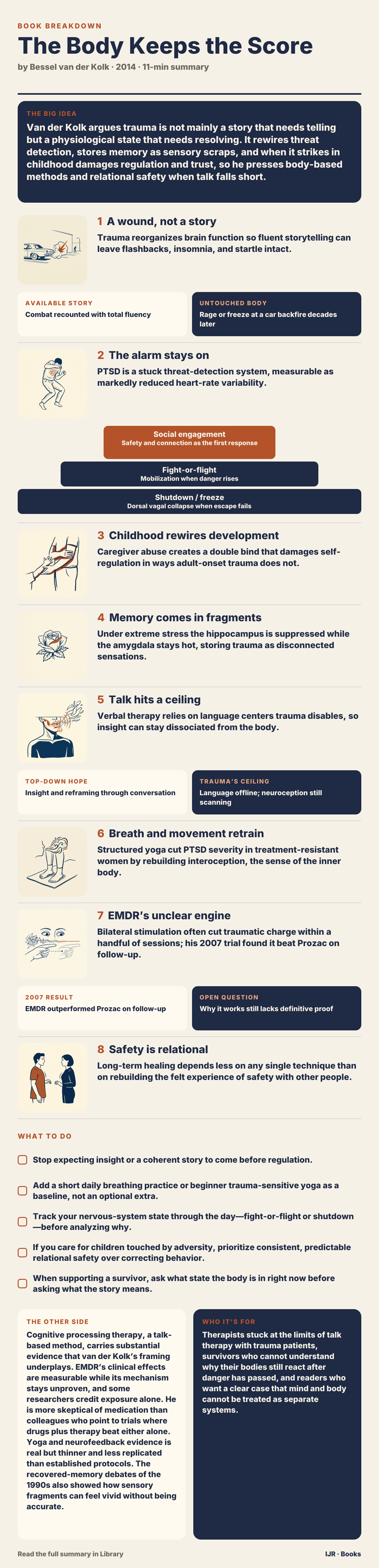
Van der Kolk opens at a 1970s VA clinic. Vietnam veterans could recount combat with total fluency and still flew into rage or froze when a car backfired decades later. The story was available; the reaction was not. He rejects the idea that trauma is a bad memory waiting for better narrative processing and treats it instead as physiological rewiring of the brain’s alarm and regulation systems.
He then maps how the body’s threat ladder gets stuck. Using polyvagal theory he shows survivors locked in fight-or-flight or shutdown long after danger ends, with reduced heart-rate variability as measurable proof. Childhood trauma receives separate weight: the double bind of a terrifying caregiver, regulation failures often misdiagnosed as other disorders, and population-level damage tracked in a large Kaiser study of adult health outcomes.
Memory under extreme stress, he argues, lands as disconnected sensations because stress hormones suppress the brain’s narrative organizer while the emotional alarm stays hot. That is why coherent accounts often fail, and why the recovered-memory fights of the 1990s stayed so bitter. Standard talk therapy and medication-as-primary hit a ceiling; they lean on language and conscious belief while the body’s below-awareness safety scan keeps firing.
The second half turns to body-first methods. A Trauma Center yoga trial cut PTSD scores for treatment-resistant women by rebuilding inner body awareness. EMDR often dropped emotional charge fast in his trials despite an unclear mechanism. Theater, martial arts, and neurofeedback aim at the same target. He closes by insisting techniques work best inside restored relationships and by criticizing systems that medicate traumatized foster children instead of stabilizing their worlds.
Context
Van der Kolk writes from decades of clinic work and brain-imaging research with veterans, abuse survivors, and children. Published in 2014, the book helped move trauma-informed care into mainstream conversation and pressed psychiatry to treat mind and body as one system, even where some preferred treatments still rested on thinner evidence.
The key ideas
1
A wound, not a story
Trauma reorganizes brain function so fluent storytelling can leave flashbacks, insomnia, and startle intact.
Available story
Combat recounted with total fluency
Untouched body
Rage or freeze at a car backfire decades later
Early work at a VA clinic in the 1970s shaped the claim. Vietnam veterans could recount combat with total fluency. Decades later a car backfire still sent them into rage or freeze. Knowing the story did not touch the reaction.
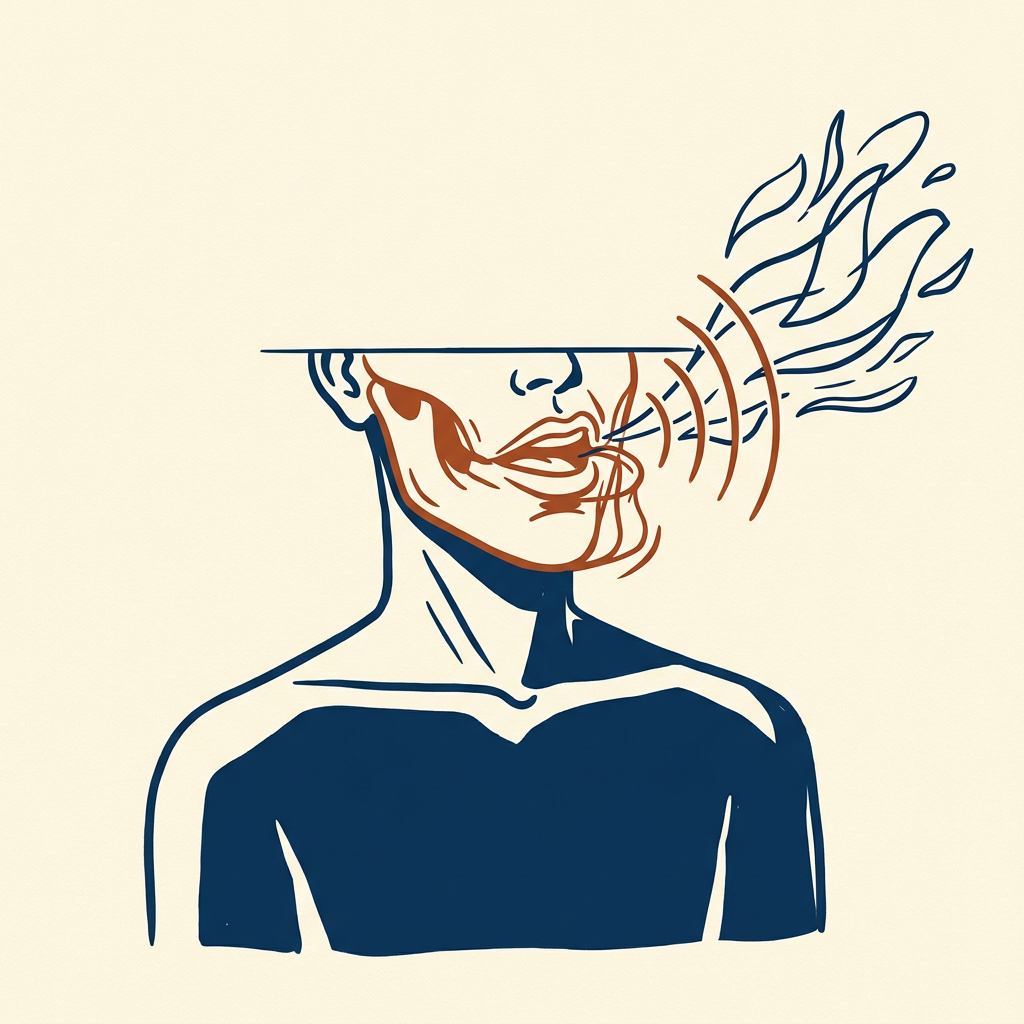
Brain scans of PTSD patients recalling trauma show Broca’s area—the speech center—going dark while the amygdala, the alarm, lights up. People literally struggle to put the experience into words as their bodies relive it. Years of insight-oriented therapy can leave the core symptoms untouched.
Van der Kolk treats verbal insight and physiological healing as separate processes. Most twentieth-century psychiatry, he says, conflated them. Effective treatment has to work the nervous system directly, not only the narrative mind.
In practice: Veterans who narrated combat clearly still froze at ordinary backfires years later.

2
The alarm stays on
PTSD is a stuck threat-detection system, measurable as markedly reduced heart-rate variability.
- Social engagementSafety and connection as the first response
- Fight-or-flightMobilization when danger rises
- Shutdown / freezeDorsal vagal collapse when escape fails
Stephen Porges’s polyvagal theory supplies the mechanism. The autonomic system answers danger in order: social engagement first, then fight-or-flight, then dorsal-vagal shutdown if escape is impossible. Trauma survivors stay locked in one of those states after the threat is gone.
A veteran may live hypervigilant and irritable. An abuse survivor may live numbed and dissociated. Ordinary stress—a traffic jam, a raised voice—registers as mortal danger because baseline arousal never reset.
Heart-rate variability research shows survivors shift between states far less flexibly than controls. What looks like a personality flaw—explosiveness, numbness, distrust—is often a nervous system that never got the all-clear. The clinical question shifts from what the behavior means to what state the body is in and how to help it recalibrate.
In practice: A traffic jam or raised voice treated by the body as mortal danger long after the original threat ended.
3
Childhood rewires development
Caregiver abuse creates a double bind that damages self-regulation in ways adult-onset trauma does not.
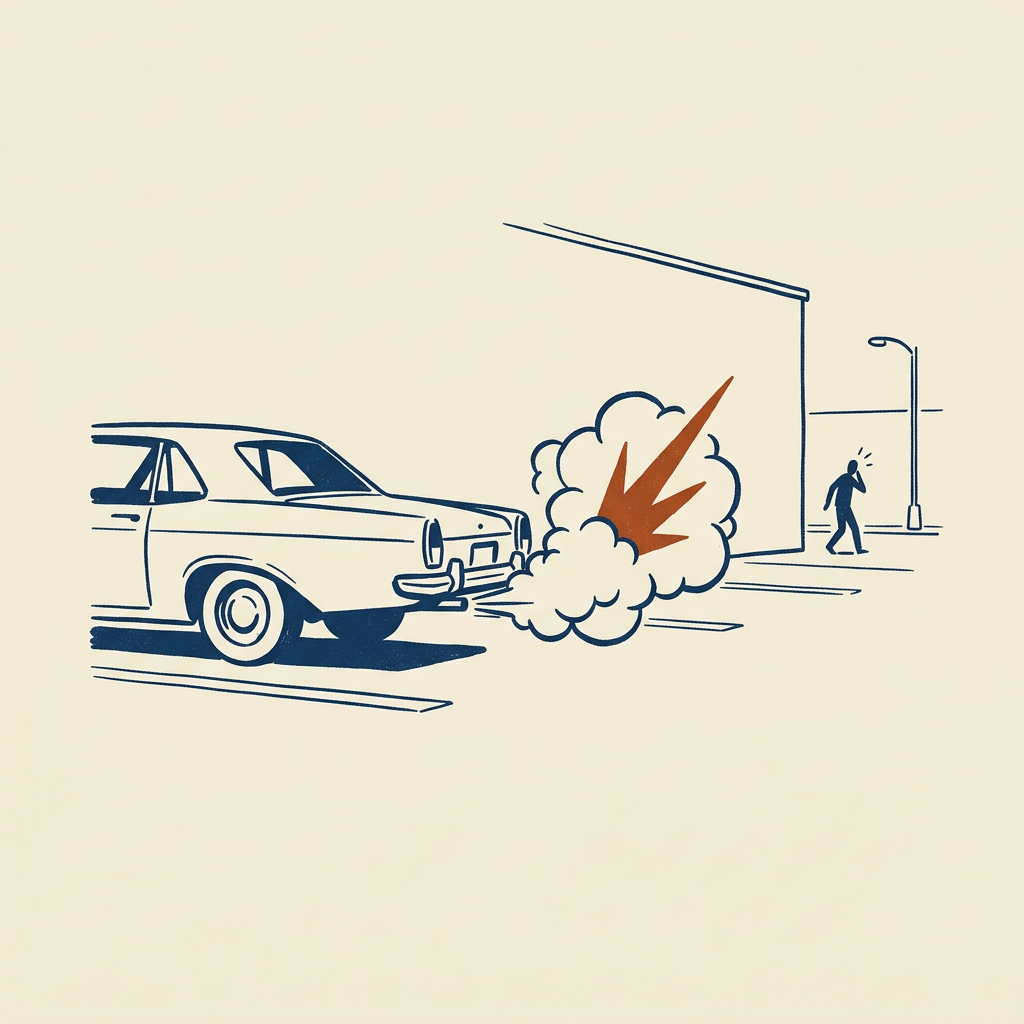
Chronic abuse or neglect from a parent creates an impossible bind. The instinct to seek comfort collides with the source of terror. Van der Kolk calls this the double bind at the heart of complex trauma.
He pushed for separate diagnostic status for developmental trauma in the DSM-5 and lost. Severely abused children show disrupted attachment, poor regulation, and dissociation often mislabeled as ADHD, oppositional defiant disorder, or bipolar disorder.
The Adverse Childhood Experiences study led by Vincent Felitti and Robert Anda at Kaiser Permanente in the 1990s surveyed over 17,000 adults. It found a dose-response link between childhood adversity and later heart disease, addiction, depression, and early death. A person with four or more adverse experiences was several times more likely to attempt suicide or develop substance dependence than someone with none. Adult treatment must build regulation and attachment that were never formed, not only process discrete memories.
In practice: Four or more childhood adversities in the ACE survey sharply raised later odds of suicide attempt and substance dependence.

4
Memory comes in fragments
Under extreme stress the hippocampus is suppressed while the amygdala stays hot, storing trauma as disconnected sensations.
Stress hormones such as cortisol suppress the hippocampus, which normally timestamps and organizes experience. The amygdala, tagging emotional weight, stays highly active. Memory lands as fragments: a smell, a sound, a bodily sensation, cut from time and context.
Patients may be unable to say what happened yet startle at a scent or freeze in a medical exam that echoes an assault. Imaging work with rape survivors showed right-hemisphere raw-sensation areas lighting up far more than left-hemisphere language and sequencing areas.
The 1990s recovered-memory debates sit inside this chapter. Van der Kolk was in the fight over whether trauma could be repressed and later recovered. He notes fragmented sensory memory is not the same as accurate memory, and the mechanisms stay disputed among researchers.
In practice: A survivor freezes during a medical exam that echoes an assault without knowing why.
5
Talk hits a ceiling
Verbal therapy relies on language centers trauma disables, so insight can stay dissociated from the body.
Top-down hope
Insight and reframing through conversation
Trauma’s ceiling
Language offline; neuroception still scanning
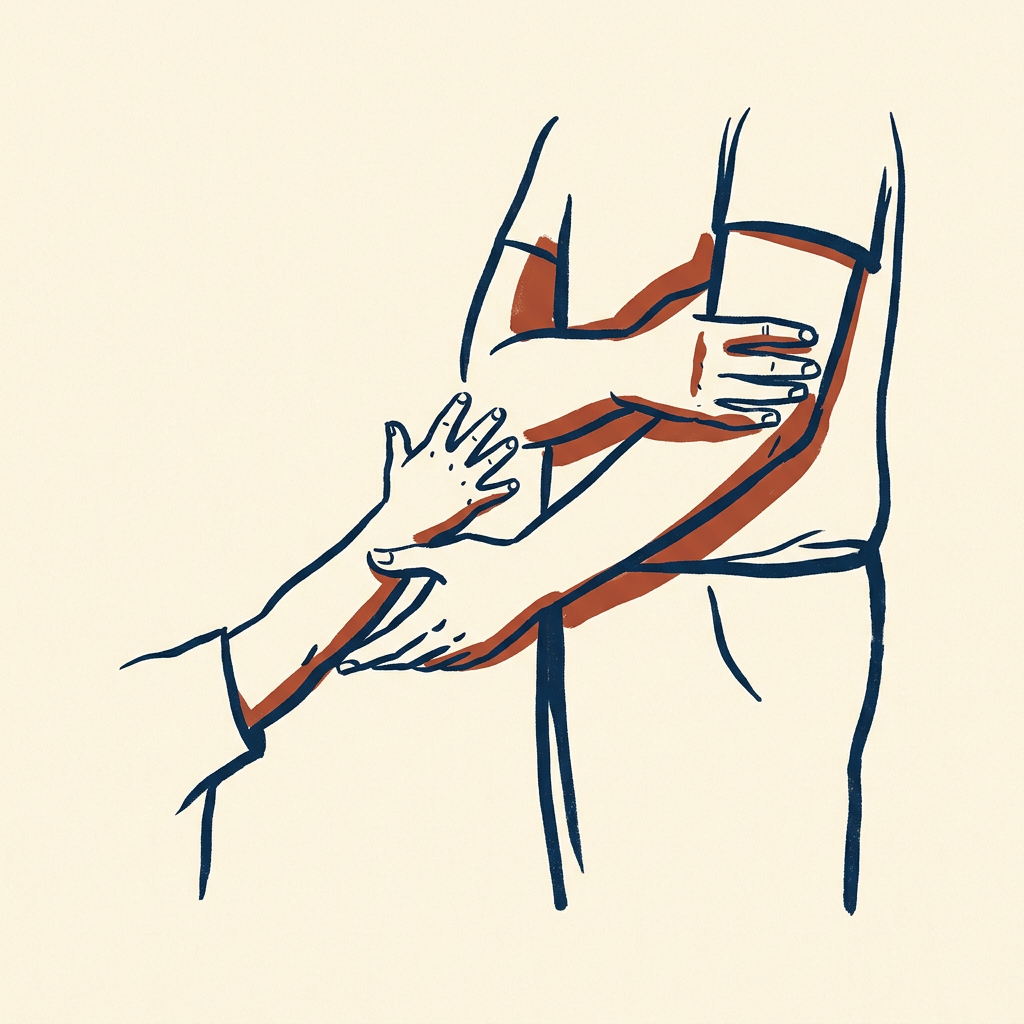
Psychoanalysis, CBT, and most clinical training assume a patient can access and reframe experience through conversation. That works for many problems. Trauma is different because recall itself suppresses the prefrontal, language-based processing talking needs.
Patients sometimes deliver a trauma narrative in a flat, disconnected tone—rote or dissociated retelling. Intellectual processing without physiological resolution. Van der Kolk is also wary of SSRIs and similar drugs as primary treatment. They can dampen symptoms while leaving dysregulation intact, and heavy use with traumatized children can stand in for the harder work of building safety.
He borrows Porges’s neuroception: the nervous system assesses safety below awareness. Therapy that only revises conscious beliefs leaves that detector untouched. The ceiling on top-down methods is what opens the door to bottom-up work.
In practice: A patient recites a trauma narrative in a flat tone—clear on the facts, unresolved in the body.
6
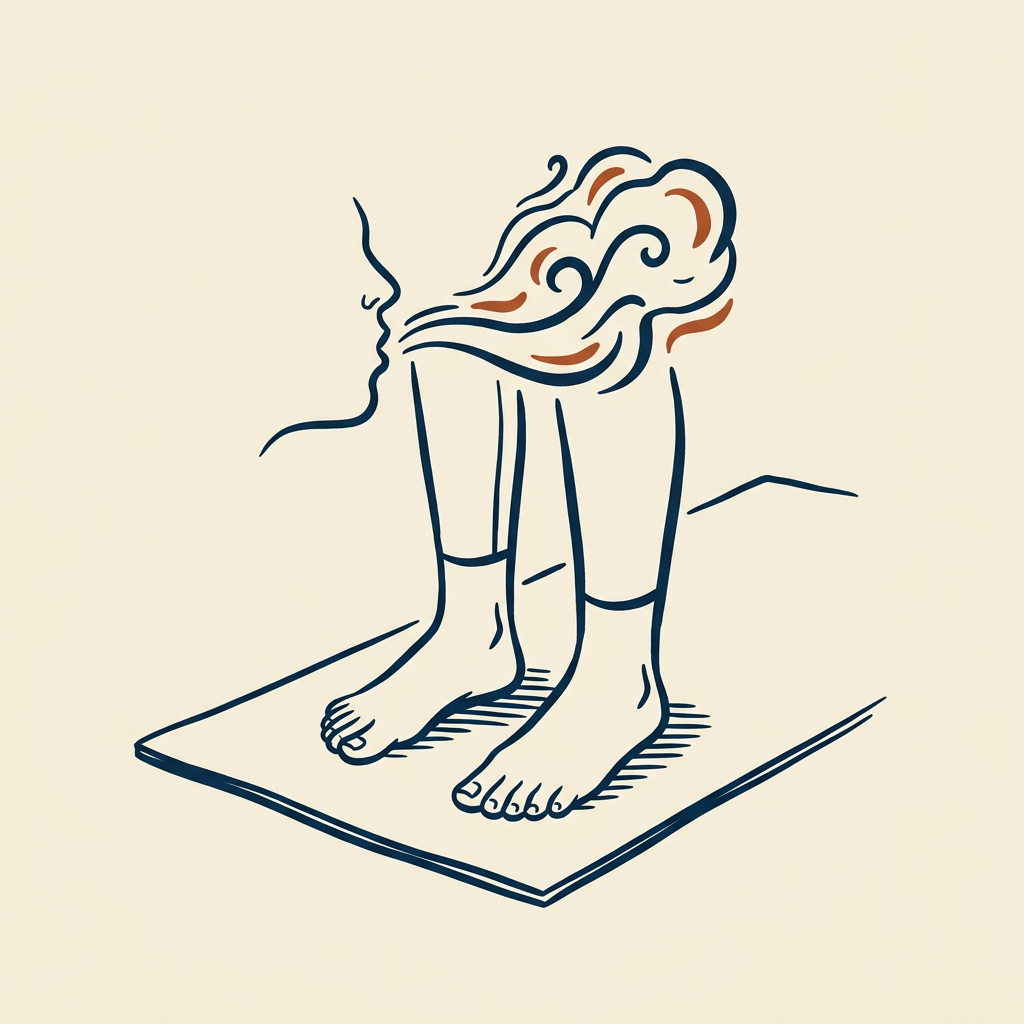
Breath and movement retrain
Structured yoga cut PTSD severity in treatment-resistant women by rebuilding interoception, the sense of the inner body.
At his Trauma Center he compared yoga with standard care for women with chronic, treatment-resistant PTSD. Many had already done years of talk therapy and medication without relief. Weekly classes focused on breath and interoception—noticing bodily sensation without judgment.
Yoga participants showed significant drops in PTSD severity on standard clinical scales. Effects ran comparable to or beyond some pharmacological treatments. The claimed mechanism is rebuilding a skill trauma erodes when the body was a site of pain or violation.
He extends the same logic to theater for at-risk youth, martial arts, and structured movement for veterans. All aim at a felt sense of safety and agency in the body rather than cognitive understanding alone. He treats the yoga evidence as real but emerging—smaller and less replicated than established trauma protocols.
In practice: Women with years of failed talk and medication showed significant PTSD score drops after weekly yoga at his center.
7
EMDR’s unclear engine
Bilateral stimulation often cut traumatic charge within a handful of sessions; his 2007 trial found it beat Prozac on follow-up.
2007 result
EMDR outperformed Prozac on follow-up
Open question
Why it works still lacks definitive proof
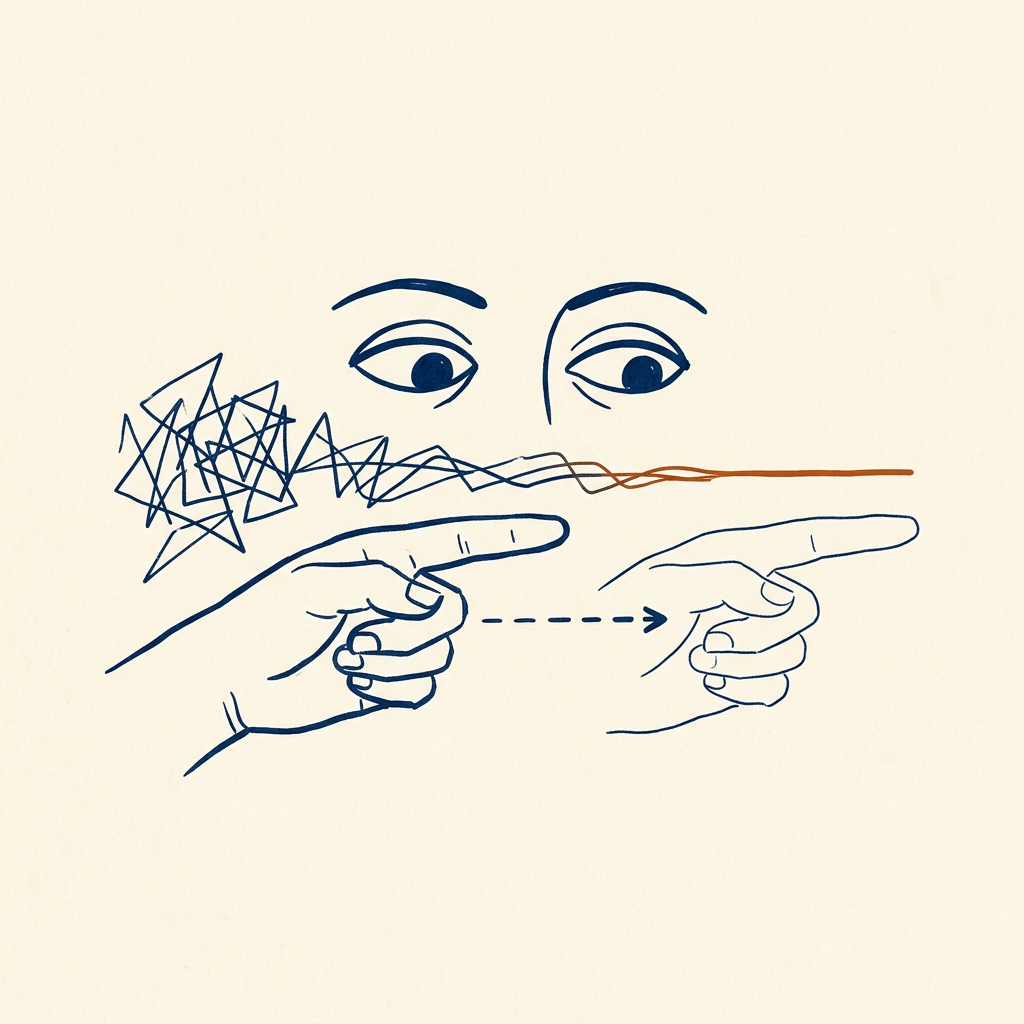
Francine Shapiro developed EMDR in the late 1980s. Patients hold a traumatic image while tracking a finger side to side, or receiving alternating taps or sounds. Van der Kolk found the method sounded gimmicky, then watched emotional charge drop fast in clinic and in randomized trials.
His 2007 study compared EMDR, Prozac, and placebo for PTSD. EMDR outperformed medication on follow-up measures. Leading theories involve working-memory overload, REM-like processing, or hemisphere engagement. None has definitive proof. Some researchers argue the eye movements add nothing beyond standard exposure.
He states the uncertainty outright. The larger point stands for him: working a sensory fragment directly can move stuck material when full verbal narrative cannot.
In practice: In the 2007 trial, EMDR beat Prozac and placebo on follow-up PTSD measures.

8
Safety is relational
Long-term healing depends less on any single technique than on rebuilding the felt experience of safety with other people.
Isolated methods reduce symptoms. Lasting repair, he argues, still runs through relationship. Trauma damages the capacity for connection; recovery rebuilds the felt experience of safety with others.
Theater and movement programs for children and veterans—including a Shakespeare project—restore eye contact, vocal tone, and synchronized movement, the social engagement system polyvagal theory describes. Neurofeedback lets patients watch their own brainwaves and learn to shift out of hyperarousal or dissociation. He admits large randomized trials for neurofeedback remain thin.
If the core injury is broken trust in connection, cutting flashbacks without restoring relational capacity leaves the job half done. He criticizes mental-health and justice systems that medicate traumatized foster children rather than stabilize their environments. Body, brain, and social bonds have to move together.
In practice: Veterans in a Shakespeare program rebuild eye contact, vocal tone, and synchronized movement trauma had shut down.
Key terms
- Polyvagal hierarchy Ordered autonomic answers to danger: social engagement, then fight-or-flight, then freeze-shutdown.
- Neuroception The nervous system’s below-awareness scan for safety or threat.
- Interoception The ability to sense and tolerate what is happening inside one’s own body.
- Dorsal vagal shutdown The freeze or collapse state when escape feels impossible.
- ACE score A count of adverse childhood experiences linked in a large survey to later disease, addiction, and early death.
- Dissociated retelling A flat, intellectually clear trauma narrative that leaves the body unresolved.
- EMDR A method pairing traumatic images with side-to-side eye movements or alternating stimulation.
- Broca’s area The speech center that can go dark while the alarm system lights up during traumatic recall.
What to do
- Stop expecting insight or a coherent story to come before regulation.
- Add a short daily breathing practice or beginner trauma-sensitive yoga as a baseline, not an optional extra.
- Track your nervous-system state through the day—fight-or-flight or shutdown—before analyzing why.
- If you care for children touched by adversity, prioritize consistent, predictable relational safety over correcting behavior.
- When supporting a survivor, ask what state the body is in right now before asking what the story means.
Questions to think with
- Where does your body still treat ordinary life as an emergency?
- What would change if regulation were allowed to come before a coherent story?
- When do systems medicate trauma symptoms instead of stabilizing a child’s world?
- How would you notice neuroception firing during a tense conversation?
- Which body-based practice could serve as this week’s stabilizing baseline?
The other side
Cognitive processing therapy, a talk-based method, carries substantial evidence that van der Kolk’s framing underplays. EMDR’s clinical effects are measurable while its mechanism stays unproven, and some researchers credit exposure alone. He is more skeptical of medication than colleagues who point to trials where drugs plus therapy beat either alone. Yoga and neurofeedback evidence is real but thinner and less replicated than established protocols. The recovered-memory debates of the 1990s also showed how sensory fragments can feel vivid without being accurate.
Who it's for
Therapists stuck at the limits of talk therapy with trauma patients, survivors who cannot understand why their bodies still react after danger has passed, and readers who want a clear case that mind and body cannot be treated as separate systems.