




Why lasting effectiveness starts with character, not technique
Covey argues that productivity and teamwork habits collapse under pressure unless they rest on examined character principles and a written personal mission.
IJR · Oct 9, 2026 · 13 min read
In 60 seconds
- Lasting effectiveness rests on character principles such as integrity, fairness, and honesty rather than personality tricks like charm or a winning attitude.
- Between stimulus and response sits a gap of choice; proactive people grow their Circle of Influence by acting only on what they can control.
- A written personal mission statement stops other people’s agendas from doing the ‘first creation’ of your life for you.
- Effective people schedule important-but-not-urgent Quadrant II work before crises and interruptions fill the calendar.
- Win-win deals, empathic listening, and synergy only work after independent security is real, and they run on an emotional bank account of trust.
- Physical, mental, social-emotional, and spiritual renewal keeps the whole system from eroding over time.
The big idea
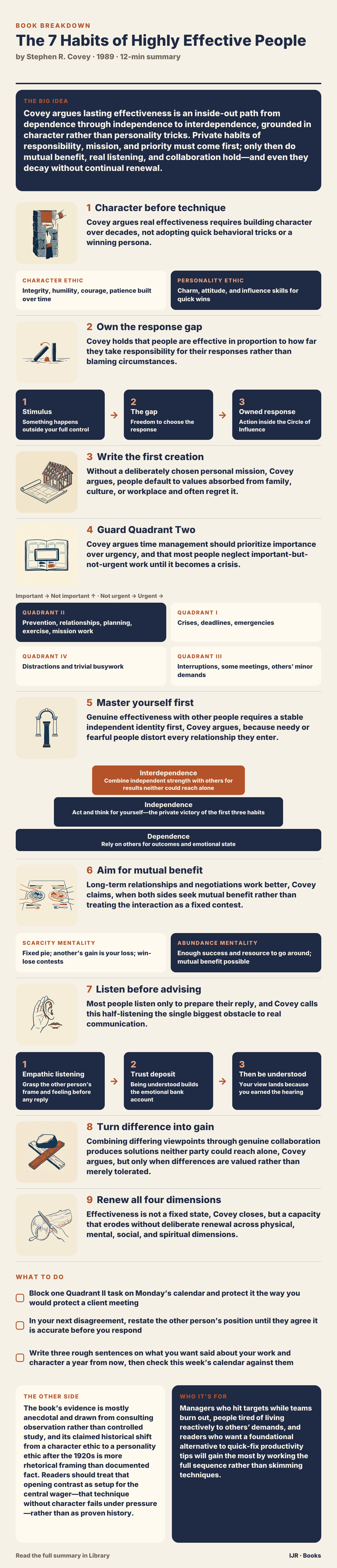
Covey argues lasting effectiveness is an inside-out path from dependence through independence to interdependence, grounded in character rather than personality tricks. Private habits of responsibility, mission, and priority must come first; only then do mutual benefit, real listening, and collaboration hold—and even they decay without continual renewal.
The book in brief
Covey opens by contrasting two success traditions. Older guidance, he claims, centered on character—integrity, humility, courage, patience. Later advice shifted toward personality: charm, positive attitude, influence skill. He treats principles like fairness and honesty as universal, like natural laws, and introduces paradigms as the mental maps that decide what people even see. Change the map or any behavioral tip stays temporary.
The first three habits aim at private victory and independence. Be Proactive means owning the gap between what happens and how you respond, then investing energy inside the Circle of Influence instead of the larger Circle of Concern. Begin with the End in Mind means writing a personal mission statement—often sparked by imagining what a spouse, colleague, friend, and family member would say at your funeral—so the first creation of your life is deliberate. Put First Things First turns that mission into a weekly operating system by protecting Quadrant II work before urgent noise consumes the calendar.
He then pauses on maturity. Dependence relies on others for outcomes and mood; independence can think and act alone; interdependence chooses to combine strengths for results neither party could reach alone. Someone still needy or fearful distorts every partnership through control, jealousy, or hunger for approval. Trust works like an emotional bank account: courtesies and kept promises deposit, broken commitments and dismissals withdraw.
Public habits follow that foundation. Think Win-Win seeks mutual benefit from an abundance mentality, with “no deal” as the honest exit when mutual gain is impossible. Seek First to Understand, Then to Be Understood replaces autobiographical half-listening with empathic listening that earns the right to be heard. Synergize turns valued differences into third alternatives neither side invented alone.
Habit 7, Sharpen the Saw, maintains capacity across physical, mental, social-emotional, and spiritual dimensions. Skip renewal and earlier gains erode. The arc is strict: character and self-mastery first, then relationships, then continuous upkeep.
Context
Stephen R. Covey published the book in 1989. It became a cornerstone of corporate training and self-help culture by reframing success as an inside-out process of aligning daily behavior with deeply examined values rather than offering shortcuts.
The key ideas
1
Character before technique
Covey argues real effectiveness requires building character over decades, not adopting quick behavioral tricks or a winning persona.
Character ethic
Integrity, humility, courage, patience built over time
Personality ethic
Charm, attitude, and influence skills for quick wins
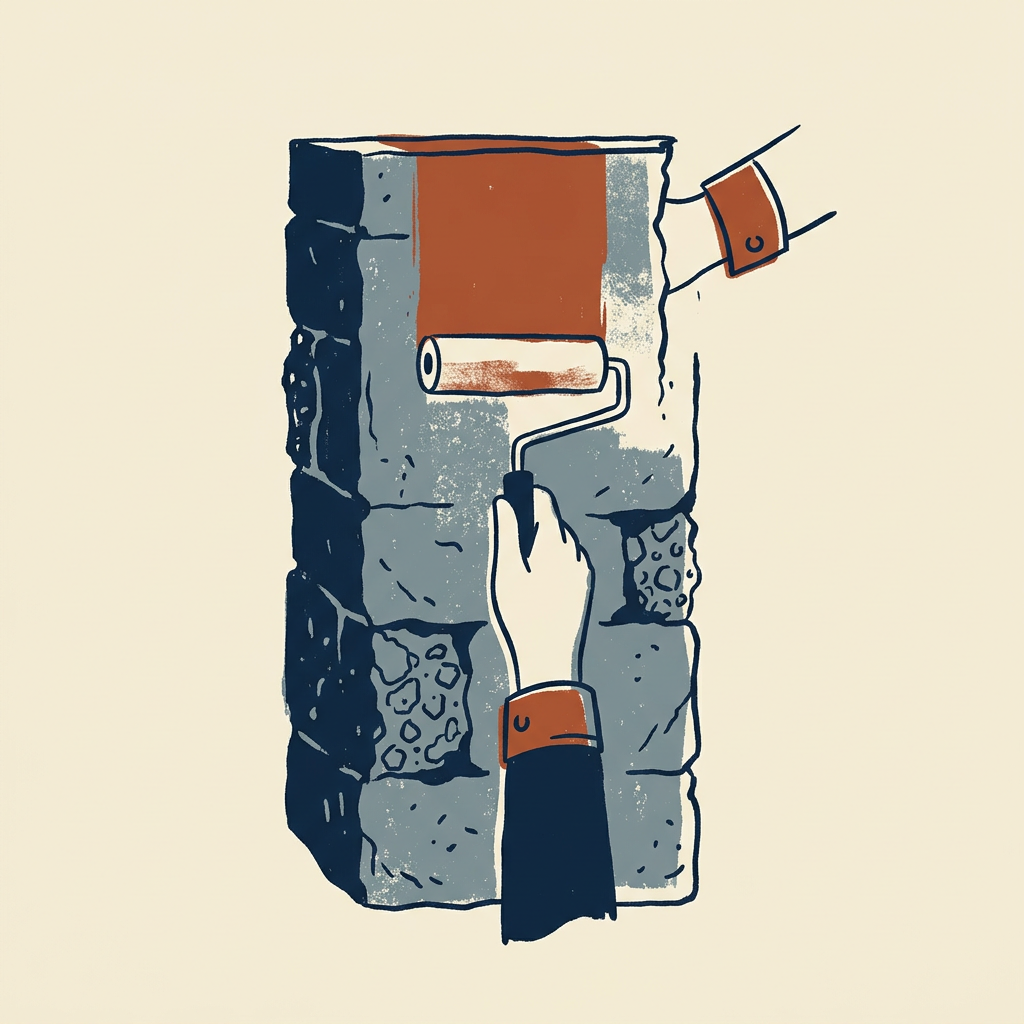
He contrasts two traditions in success literature. Guidance once centered on integrity, humility, courage, and patience. Later it shifted toward charm, positive attitude, and skill at influencing others.
The personality route can produce short-term wins, he says, but collapses under pressure because it treats symptoms. Two people can leave the same meeting with opposite stories because their paradigms—the mental maps through which they interpret events—differ. Changing outward behavior while leaving the map untouched yields only temporary results.
His fix is a return to principles he treats as objective and universal, comparable to natural laws. Fairness and honesty belong in that set. Every later habit, he insists, works only when built on this character foundation rather than layered onto an unchanged self-image.
In practice: A salesperson who fakes warmth may close one deal, yet colleagues and clients eventually sense the gap between manner and substance, and trust erodes.
2
Own the response gap
Covey holds that people are effective in proportion to how far they take responsibility for their responses rather than blaming circumstances.
- 1StimulusSomething happens outside your full control
- 2The gapFreedom to choose the response
- 3Owned responseAction inside the Circle of Influence
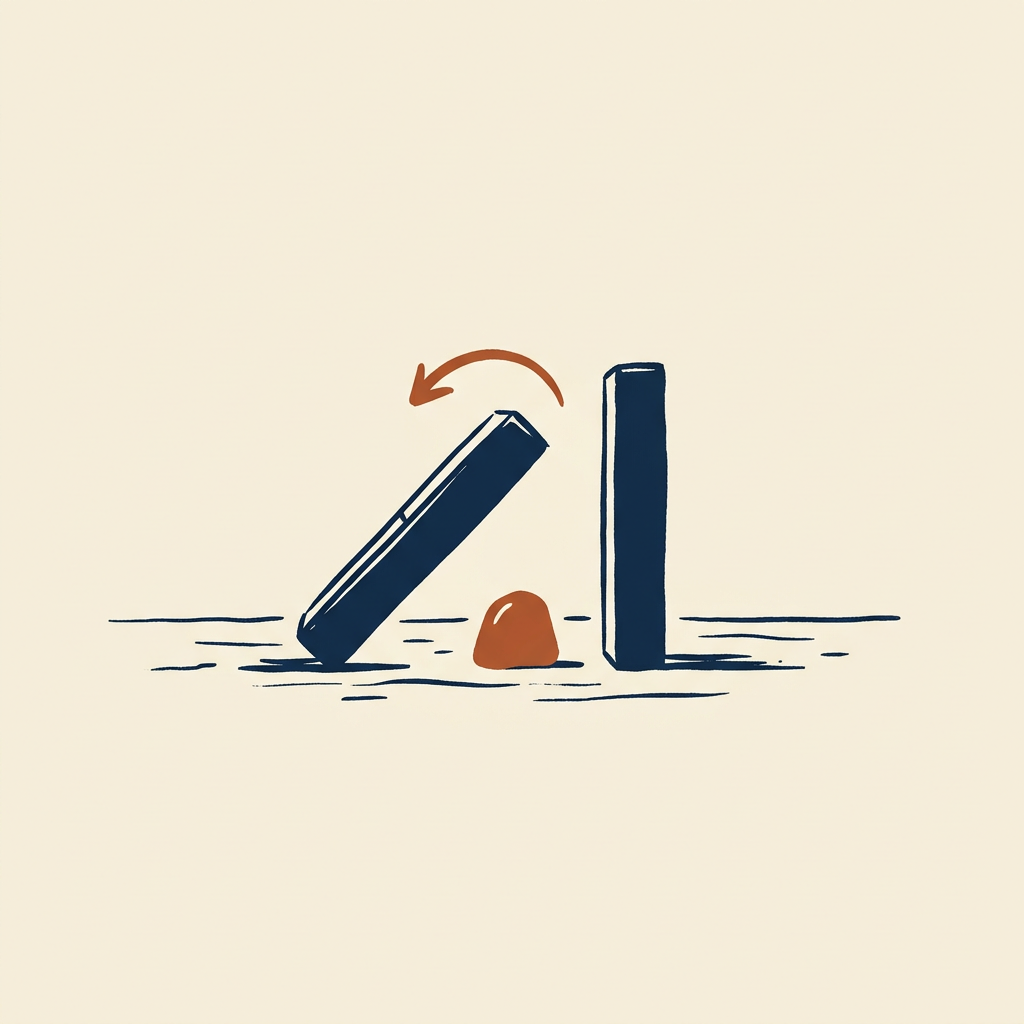
Between what happens to you and how you react sits a gap, and inside that gap lies freedom to choose. He draws partly on Viktor Frankl, who found agency even in a concentration camp by choosing his inner response to suffering.
From the gap he builds a tool: Circle of Concern versus Circle of Influence. Concern holds everything you worry about—weather, others’ opinions, the economy. Influence holds what you can actually act on. Reactive people spend energy in Concern and watch Influence shrink. Proactive people work inside Influence and watch it grow.
Language reveals the stance. “I have to” and “that’s just how I am” mark a reactive paradigm; “I choose to” marks ownership. Later habits assume a person can decide to change first; they fail if circumstances are treated as total determinants.
In practice: An employee passed over for promotion can spend months resenting the decision, or can identify missing skills and relationships and start building them—the second path keeps energy productive rather than corrosive.

3
Write the first creation
Without a deliberately chosen personal mission, Covey argues, people default to values absorbed from family, culture, or workplace and often regret it.
This habit asks you to clarify in writing what your life should stand for before daily activity sweeps you along. The central exercise is imagining your own funeral and hearing what a spouse, a colleague, a friend, and a family member would say. The aim is clarity, not morbidity: most people stay busy achieving things that do not serve the character they actually want.
The output is a personal mission statement—a short living document of core values and desired contribution. It is not a goals list; goals are means, while mission is identity and principle. All things are created twice: first as a mental plan, then as physical reality. A house is drawn before it is built. Most people never do the first creation of their own life deliberately, so other agendas and impulse shape the second creation they actually live.
The statement must rest on principles you genuinely hold, not borrowed language, or it breaks under pressure. It is meant to be revised over years, not filed once and forgotten.
In practice: A manager who climbs a career ladder for fifteen years on inherited assumptions about success reaches the top only to realize he never wanted it and has neglected family and health along the way.

4
Guard Quadrant Two
Covey argues time management should prioritize importance over urgency, and that most people neglect important-but-not-urgent work until it becomes a crisis.
Important → Not important ↑ · Not urgent → Urgent →
Quadrant II
Prevention, relationships, planning, exercise, mission work
Quadrant I
Crises, deadlines, emergencies
Quadrant IV
Distractions and trivial busywork
Quadrant III
Interruptions, some meetings, others’ minor demands
He draws a two-by-two matrix of urgency and importance. Quadrant I holds crises, deadlines, emergencies. Quadrant III holds interruptions, many meetings, other people’s minor demands. Quadrant IV holds distractions and trivial busywork. Quadrant II holds important but not urgent work: relationship building, long-term planning, exercise, prevention, reading, mission work.
Effective people, he claims from observation and consulting, spend disproportionate time in Quadrant II. Neglecting it is what manufactures later Quadrant I crises. The move is to schedule Quadrant II into the calendar before the week fills, rather than hoping time remains—because time never remains.
This shifts the question from speed to belonging: does the task deserve a place at all? Quadrant III often feels busy and productive while serving someone else’s priorities. Without a mission from Habit 2, the matrix cannot separate real importance from noise.
In practice: Skipping a yearly health checkup in Quadrant II leads to an emergency-room visit in Quadrant I.

5
Master yourself first
Genuine effectiveness with other people requires a stable independent identity first, Covey argues, because needy or fearful people distort every relationship they enter.
- InterdependenceCombine independent strength with others for results neither could reach alone
- IndependenceAct and think for yourself—the private victory of the first three habits
- DependenceRely on others for outcomes and emotional state
He frames growth as a maturity continuum. Dependence relies on others for outcomes and emotional state. Independence can think and act alone. Interdependence chooses to combine independent strength with others for results neither could reach alone. Interdependence is more mature than independence, not a retreat into dependence.
Habits 1 through 3 must precede the public habits for a psychological reason. Without self-mastery, insecurity enters every partnership as control, jealousy, or hunger for approval.
Relationships run on an emotional bank account. Kept promises, small courtesies, and honest feedback deposit trust. Broken commitments, curt dismissal, and disloyalty withdraw it. A high balance absorbs occasional mistakes; a low balance cannot survive minor friction. The next three habits spend that capital and cannot be used as manipulation tactics.
In practice: A manager without inner clarity about his own worth may micromanage a talented subordinate because the subordinate’s competence feels threatening rather than useful.
6
Aim for mutual benefit
Long-term relationships and negotiations work better, Covey claims, when both sides seek mutual benefit rather than treating the interaction as a fixed contest.
Scarcity mentality
Fixed pie; another’s gain is your loss; win-lose contests
Abundance mentality
Enough success and resource to go around; mutual benefit possible
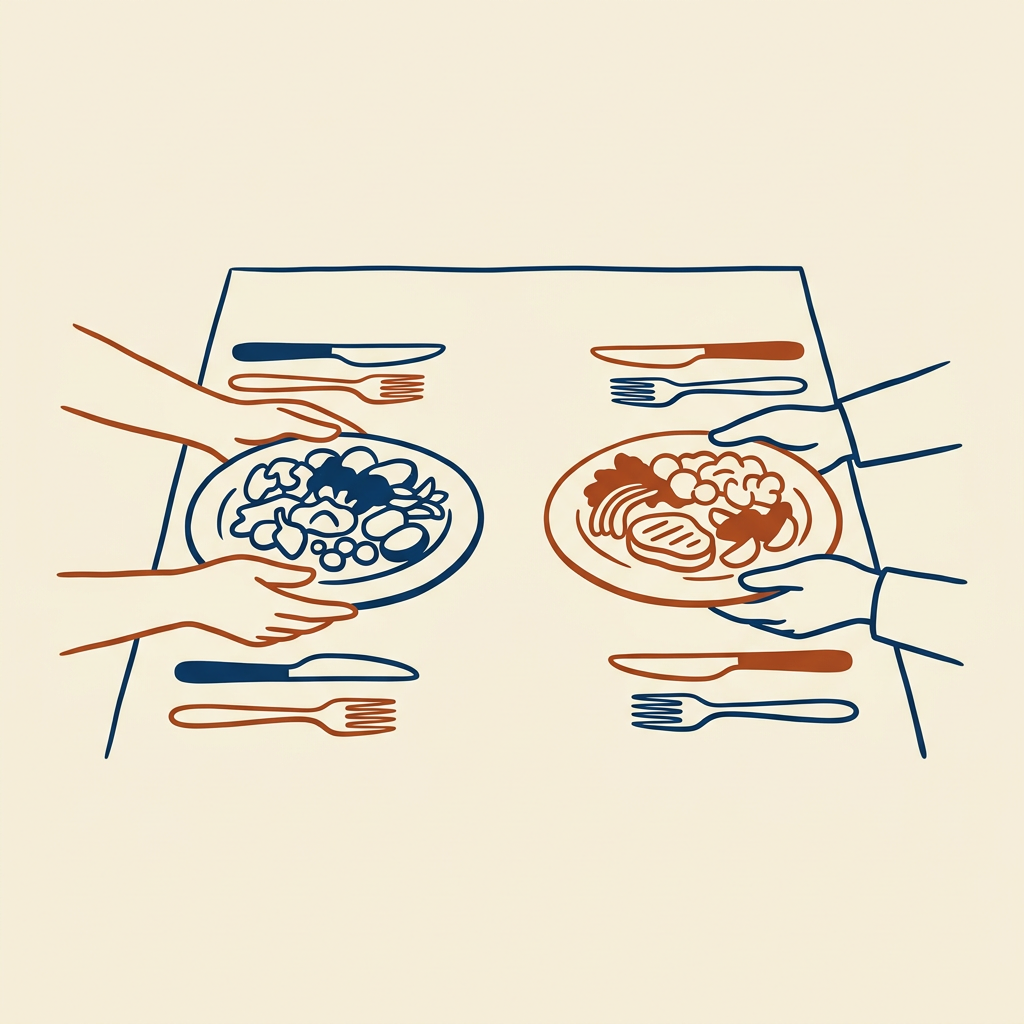
He maps several mindsets: win-lose, lose-win, lose-lose, win, and win-win. Only win-win is sustainable for ongoing relationships in marriage, business, or labor talks. Win-lose thinking, common in competitive grading and sales contests, trains people to treat others’ success as their failure. Lose-win, caving for peace, breeds resentment that surfaces later.
Win-win rests on an abundance mentality—the belief that success, recognition, and resource can expand—against a scarcity mentality that treats another’s gain as automatic loss. Only someone with independent security from the first three habits can hold abundance genuinely rather than fake it.
When mutual benefit cannot be found, he offers win-win or no deal: both sides walk away rather than lock in a lopsided outcome that will fail later. Enough trust must already sit in the emotional bank account for both parties to disclose real interests instead of posturing.
In practice: A buyer that squeezes a supplier’s margins on one contract may later face higher prices, cut corners, or a supplier who leaves at the first better offer.

7
Listen before advising
Most people listen only to prepare their reply, and Covey calls this half-listening the single biggest obstacle to real communication.
- 1Empathic listeningGrasp the other person’s frame and feeling before any reply
- 2Trust depositBeing understood builds the emotional bank account
- 3Then be understoodYour view lands because you earned the hearing
Everyday listening, he says, is autobiographical. People filter what they hear through their own experience, then answer with advice, probes, evaluation, or interpretation drawn from their life rather than the speaker’s. Empathic listening tries to grasp the other person’s frame of reference and feeling first, without necessarily agreeing.
He separates this from active-listening techniques that only mimic empathy with stock phrases. People sense hollow technique. Being genuinely understood is one of the largest deposits into the emotional bank account; being dismissed or half-heard is one of the largest withdrawals.
The order is fixed: understand fully and without judgment, then explain your own view. You are more likely to be heard once you have paid in the capital of having listened. Creative solutions later require each side to know what the other actually needs, not merely what was first demanded.
In practice: A father who complains that his teenage son will not talk has often jumped straight to correction; that confirms to the son that conversations are not safe.
8
Turn difference into gain
Combining differing viewpoints through genuine collaboration produces solutions neither party could reach alone, Covey argues, but only when differences are valued rather than merely tolerated.
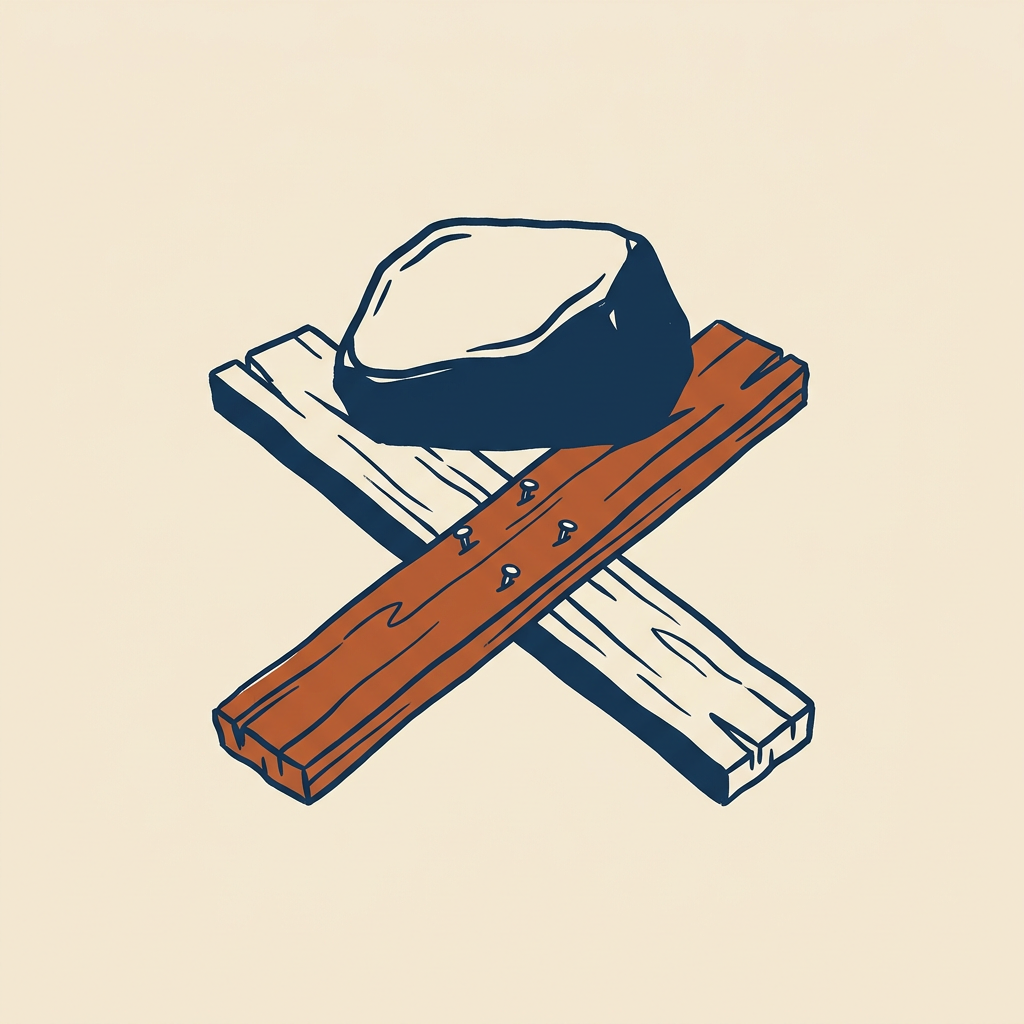
Synergy, in his usage, means collaborative output that exceeds what each party could produce separately—like two boards nailed together bearing more weight than either board alone. Compromise leaves both sides giving something up and somewhat dissatisfied. Simple cooperation works in parallel without integrating perspectives.
Differences in opinion, background, and approach are raw material for better solutions, not obstacles to manage around. Exploring them needs trust already banked and listening skill already practiced; without both, people defend positions instead of uncovering interests.
Win-win supplies the motive for mutual benefit. Empathic listening supplies the method for finding what the other side truly needs. Synergy is what appears when motive and method operate together. It is harder than it sounds and cannot be forced.
In practice: A team split between a cautious operations lead who wants to slow a launch and an aggressive sales lead who wants speed can surface that the real worry is untested returns handling, then design a phased launch that covers that risk while keeping most of the sales timeline.
9
Renew all four dimensions
Effectiveness is not a fixed state, Covey closes, but a capacity that erodes without deliberate renewal across physical, mental, social, and spiritual dimensions.
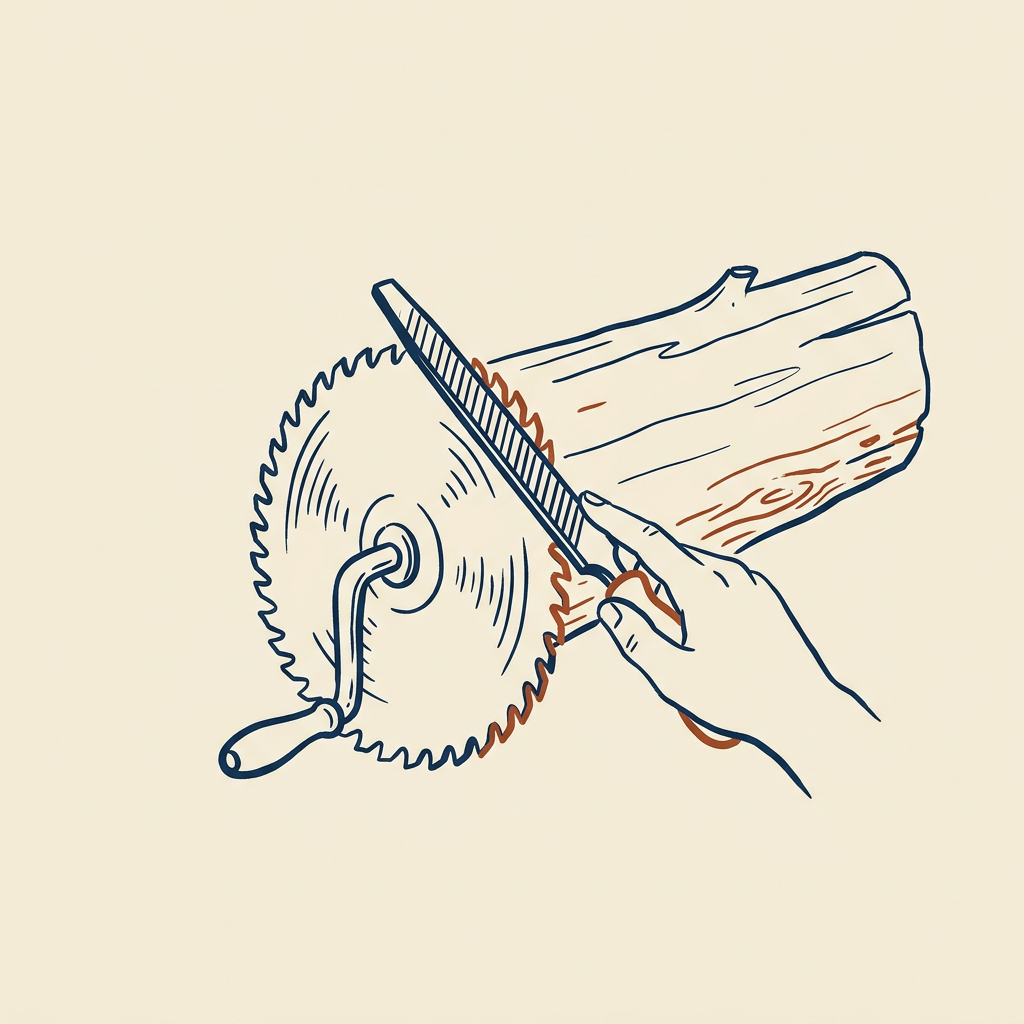
He pictures a woodcutter sawing furiously yet never stopping to sharpen the blade, getting less done each hour despite harder work. Physical renewal means exercise, nutrition, and rest. Mental renewal means reading, writing, and continued learning so the mind stays sharp. Social-emotional renewal means investing in relationships and the practices of Habits 4 through 6. Spiritual renewal means whatever reconnects a person to deeper values and meaning—practice, nature, music, or reflection—and links back to the mission statement.
Neglect in any one dimension undermines the others. Skip physical rest and irritability rises; communication worsens; trust accounts under the public habits drain. Each form of renewal is itself Quadrant II work, easy to skip because it rarely feels urgent.
Without this maintenance layer, character from the first habits and relationships from the later ones both degrade. None of the habits are one-time achievements; they are ongoing practices that require a person who keeps renewing capacity.
In practice: The woodcutter who never files the blade produces less each hour no matter how hard he works—the pattern Covey applies to people who skip renewal.
Key terms
- Character ethic Success built on integrity, humility, courage, and patience over time
- Personality ethic Success pursued through charm, attitude, and influence techniques
- Paradigm The mental map through which a person interprets events
- Circle of Influence The smaller set of concerns you can actually act on
- Personal mission statement A short living document of core values and the contribution you want to make
- Quadrant II Important but not urgent work such as prevention, planning, and relationship building
- Emotional bank account The trust balance in a relationship, raised by deposits and lowered by withdrawals
- Abundance mentality The belief that success and resources can expand enough for mutual benefit
- Empathic listening Seeking to understand another person’s frame and feeling before offering your own view
- Synergy Collaboration whose result exceeds what each party could produce alone
What to do
- Block one Quadrant II task on Monday’s calendar and protect it the way you would protect a client meeting
- In your next disagreement, restate the other person’s position until they agree it is accurate before you respond
- Write three rough sentences on what you want said about your work and character a year from now, then check this week’s calendar against them
Questions to think with
- Where are you spending energy inside your Circle of Concern instead of your Circle of Influence?
- If you imagined your funeral tomorrow, what would you regret not having stood for?
- Which important-but-not-urgent activity have you postponed until it risks becoming a crisis?
- In your closest working relationship, is the emotional bank account mostly in deposit or withdrawal?
- Which of the four renewal dimensions have you been skipping, and what is already fraying because of it?
The other side
The book’s evidence is mostly anecdotal and drawn from consulting observation rather than controlled study, and its claimed historical shift from a character ethic to a personality ethic after the 1920s is more rhetorical framing than documented fact. Readers should treat that opening contrast as setup for the central wager—that technique without character fails under pressure—rather than as proven history.
Who it's for
Managers who hit targets while teams burn out, people tired of living reactively to others’ demands, and readers who want a foundational alternative to quick-fix productivity tips will gain the most by working the full sequence rather than skimming techniques.