




Marriage fails as a translation problem, not missing love
Most 'we fell out of love' stories are two people speaking real care in dialects the other cannot hear.
IJR · Oct 13, 2026 · 9 min read
In 60 seconds
- The in-love high fades within about two years; what remains is an emotional tank that needs regular filling.
- People register love through five channels: words of affirmation, quality time, gifts, acts of service, and physical touch.
- Most conflict is mismatched dialects, not absent love—sincere effort in the wrong channel still leaves a partner starved.
- Primary language shows up in deepest hurts, most frequent requests, and the way someone naturally gives care.
- After infatuation, love is a daily choice to speak the partner's language even when warm feelings are gone.
- Later research suggests total affectionate volume may matter more than matching any specific category.
The big idea
Chapman argues couples drift not because love dies but because they keep expressing it in a form the other person cannot register. Once the early infatuation fades, the fix is to diagnose the partner's primary language and choose to speak it on purpose every day.
The book in brief
Chapman starts in the counseling room. Couples arrive confused that the person they married no longer feels like enough, even though nothing dramatic went wrong. He names the early phase a temporary, almost involuntary infatuation that cannot carry a life, then introduces the love tank—the emotional reservoir that must be filled once chemistry fades.
He lays out five distinct channels people use to give and receive care. Each chapter shows the same trap: a sincere partner pours real effort into the wrong channel and still leaves the other person empty. Words, attention, tokens, help, and touch each work as proof for some people and barely register for others.
After the taxonomy he turns practical. Diagnosis comes from recurring complaints, frequent requests, and the way a person naturally expresses love. People default to their own language and project it onto a partner, which is why good intentions keep missing the mark.
He closes on will rather than feeling. Once the tank is low, warm emotion is not required to begin. Deliberate action in the right language can restore connection, and acted-upon care tends to invite reciprocity. The arc reframes marital failure as a solvable translation problem rather than a character flaw or the death of love.
Context
Gary Chapman wrote from decades as a marriage counselor. The book mattered because it gave couples a simple, teachable vocabulary for an emotional problem that had previously felt vague and unsolvable.
The key ideas
1
The love tank runs dry
Chapman claims the euphoria of falling in love fades within about two years, and what looks like falling out of love is really an empty emotional reservoir.
~2 yrs
when the in-love phase typically dissolves
Couples show up confused. Nothing catastrophic happened, yet the person they married no longer feels like enough. Chapman pins this on the in-love experience—an almost involuntary obsession that is not built to last.
Once that phase dissolves, two people must choose to love on purpose. Every person carries a love tank. When it runs low, irritability, distance, and resentment appear even between partners who still care.
Goodwill is not enough. Effort only counts if the other person can actually register it as love. Many divorces, on his account, come from failed translation rather than missing affection. That claim drives the rest of the book.
In practice: A husband works overtime and treats the extra pay as obvious devotion; his wife experiences the long absences as abandonment. Both are sincere, both are starving.

2
Words of affirmation
For some people, specific spoken or written praise carries more weight than any deed, so silence itself can feel like withheld love.
This language runs on compliments, encouragement, and kind requests rather than demands. Empty flattery fails; the words must be true and particular—naming a real decision rather than a vague 'you're great.'
Insults and public criticism hit these people harder because words are their measuring stick. A cutting remark functions like theft from the account, not a minor deduction. Using praise to steer behavior backfires once the manipulation is spotted.
Requests preserve choice; commands kill the loving feel of the response. If words are primary, generous gifts and chores will not fully cover the gap. The loneliness resurfaces inside an otherwise comfortable life.
In practice: A wife handles the family finances competently for years without acknowledgment and eventually stops caring—not over money, but over the silence.
3
Quality time
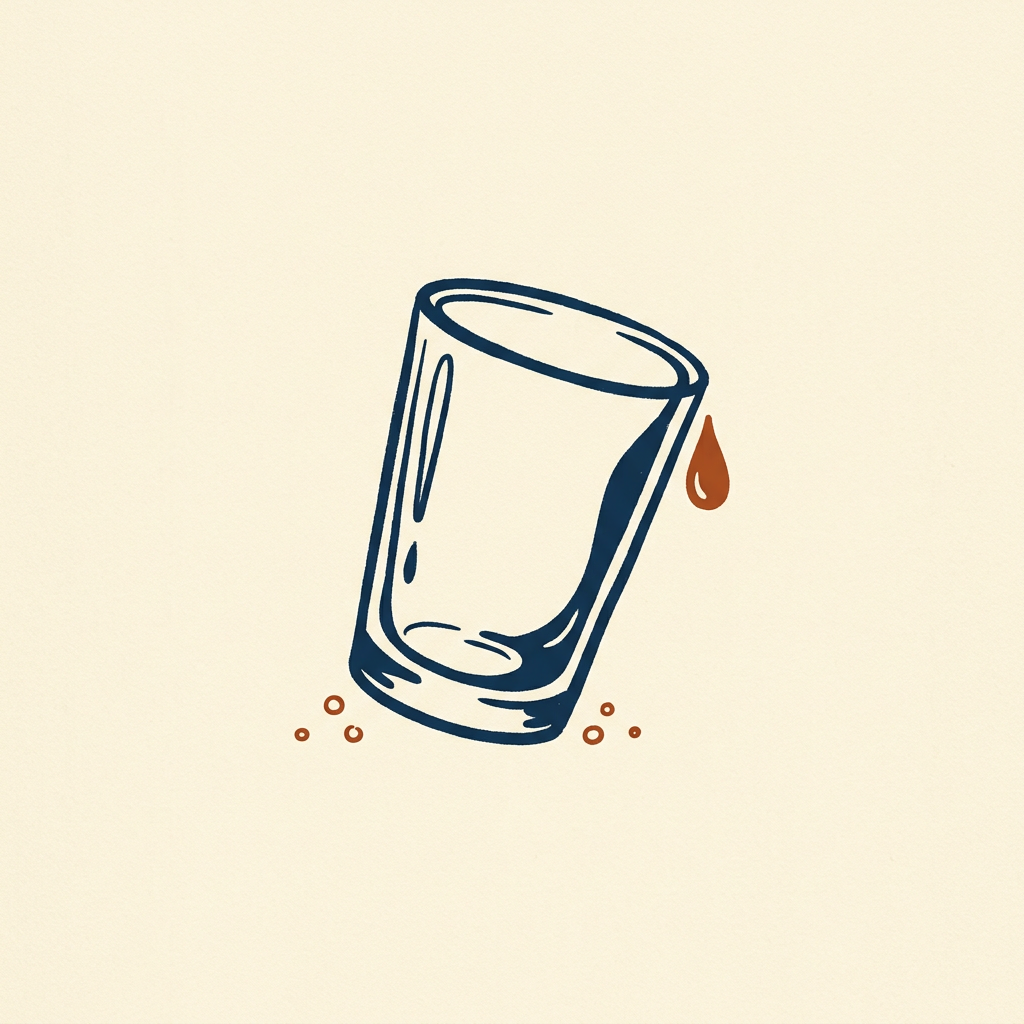
Undivided attention is the currency; hours in the same room still leave a quality-time partner feeling unloved if focus is split.
Proximity
Same room, split focus, tank stays empty
Attention
Undivided presence that registers as love
Proximity is not presence. A couple watching television side by side shares a room, not attention. For this language that distinction decides whether love registers at all.
Chapman splits it into quality conversation and quality activities. Conversation means hearing feelings without rushing to fix or defend. Activities matter less for their content than for the sustained mutual engagement they create.
Attention is finite and given on purpose. That makes it proof of priority money cannot buy. A chronically distracted partner can be dependable in every other way and still fail to love a quality-time person.
In practice: A husband books vacations to prove devotion; his wife experiences the same trips as him sitting nearby while his mind stays on the phone or at work.

4
Receiving gifts
A gift works almost entirely as a visible symbol of being thought of; price matters far less than the fact someone chose and gave it.
Outsiders often read this language as materialism. Chapman pushes back: the content is the thought and effort, not market value. A flower picked on the way home can outperform an expensive but careless purchase.
He links gift-giving to a near-universal human pattern of marking relationship with objects. He also counts the gift of self—simply showing up at a hospital or crisis—as the same kind of proof.
Some people need an external marker they can point to and hold. Without it, care stays too abstract to feel. The object does for them what words do for others: turn diffuse feeling into evidence.
In practice: A husband never misses a mortgage payment yet cannot understand why forgetting any anniversary token leaves his wife feeling forgotten.
5
Acts of service
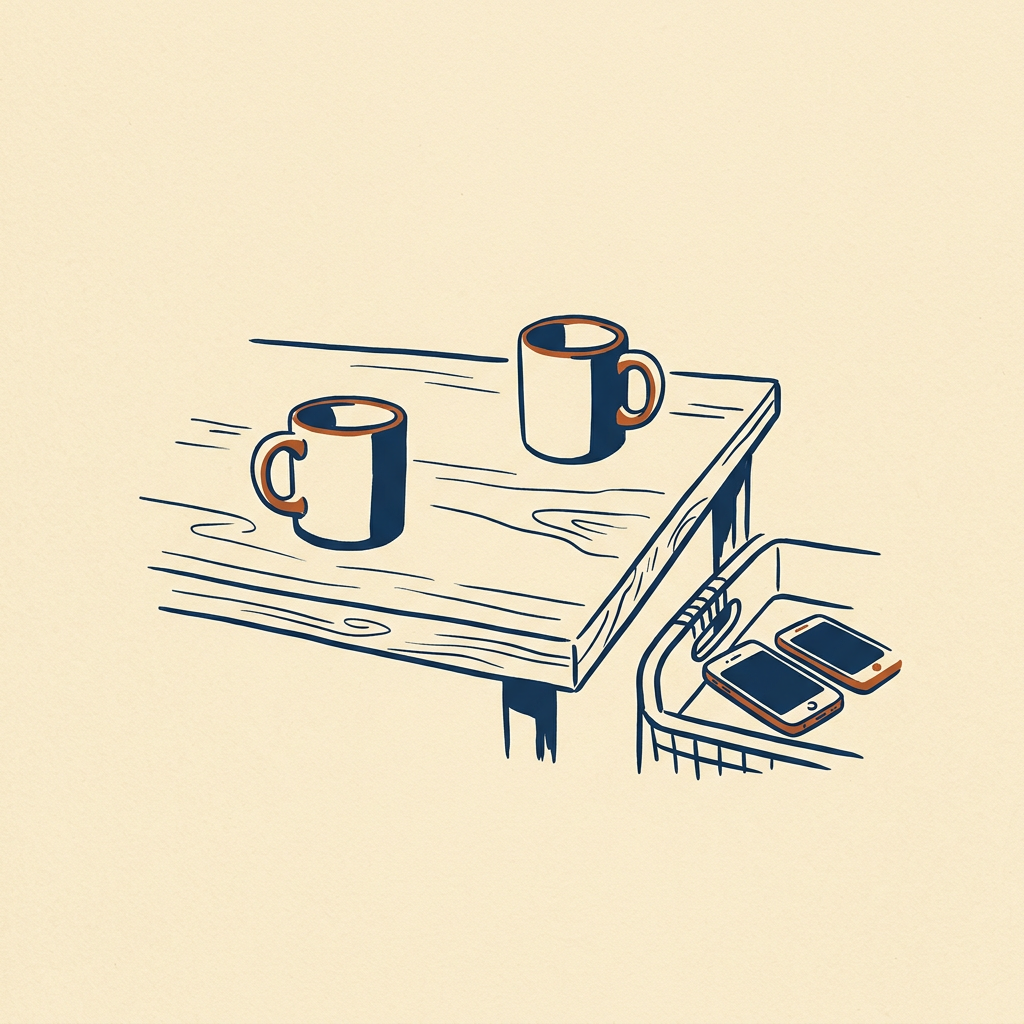
Love here means effort spent easing daily burdens; a request for help is often a request to feel prioritized, not a labor-division complaint.
Extracted chore
Done under guilt, emotional signal gone
Free act
Offered to lighten the load, registers as love
Cooking, cleaning, repairs, errands—done freely to lighten the load—speak this language. Work extracted by guilt or nagging loses its emotional value even if the task gets finished. The recipient senses a concession, not a gift.
Chapman saw couples locked in fights over dishes and evening routines. He reframes the dispute: refusing help, even for practical reasons, can land as rejecting the relationship's priority rather than a logistics call.
Competence is beside the point. A clumsy meal made on purpose can outrank perfect takeout handed over with indifference. The signal is effort aimed at the partner's specific comfort.
In practice: A husband finishing late shifts guards his rest; his wife reads the missing help with evening routines as proof her time matters less than his.
6
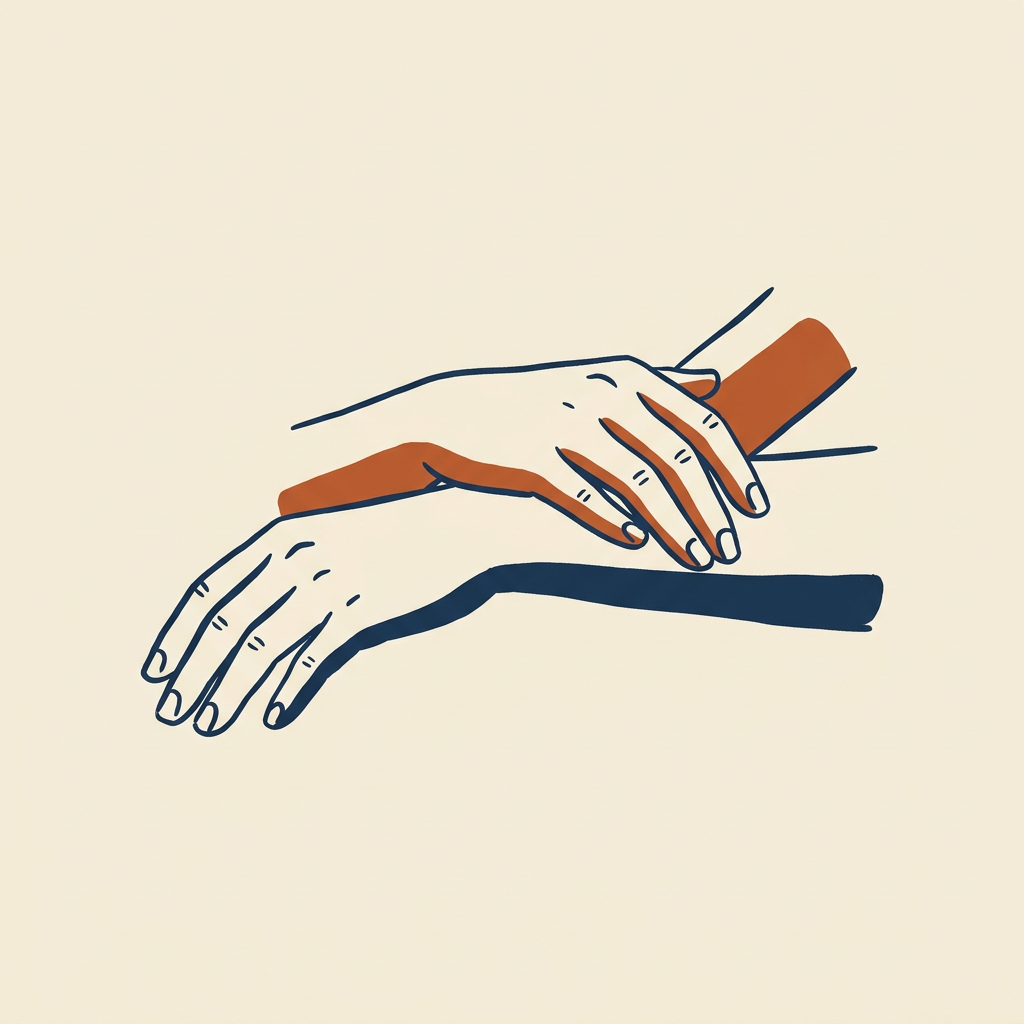
Physical touch
Touch can act as a direct, almost pre-verbal signal of love; its absence can hollow a bond even when every other language is fluent.
The range runs from sex to a hand on the shoulder or sitting close on a couch. Chapman draws on developmental research with infants to argue touch is a foundational channel for security, and that wiring can stay primary into adulthood.
He separates everyday affection from sexual demand. When every touch seems to lead one direction, a partner may withdraw from casual contact and starve the touch-oriented person of ordinary reassurance.
During conflict, continued physical contact can tell a touch-primary partner the relationship is still intact. Wordless proximity becomes proof of acceptance more powerful than verbal reassurance.
In practice: A husband recovering from a hard week feels more secured by his wife's hand resting on his arm during conversation than by anything she could say.
7
Finding the primary language
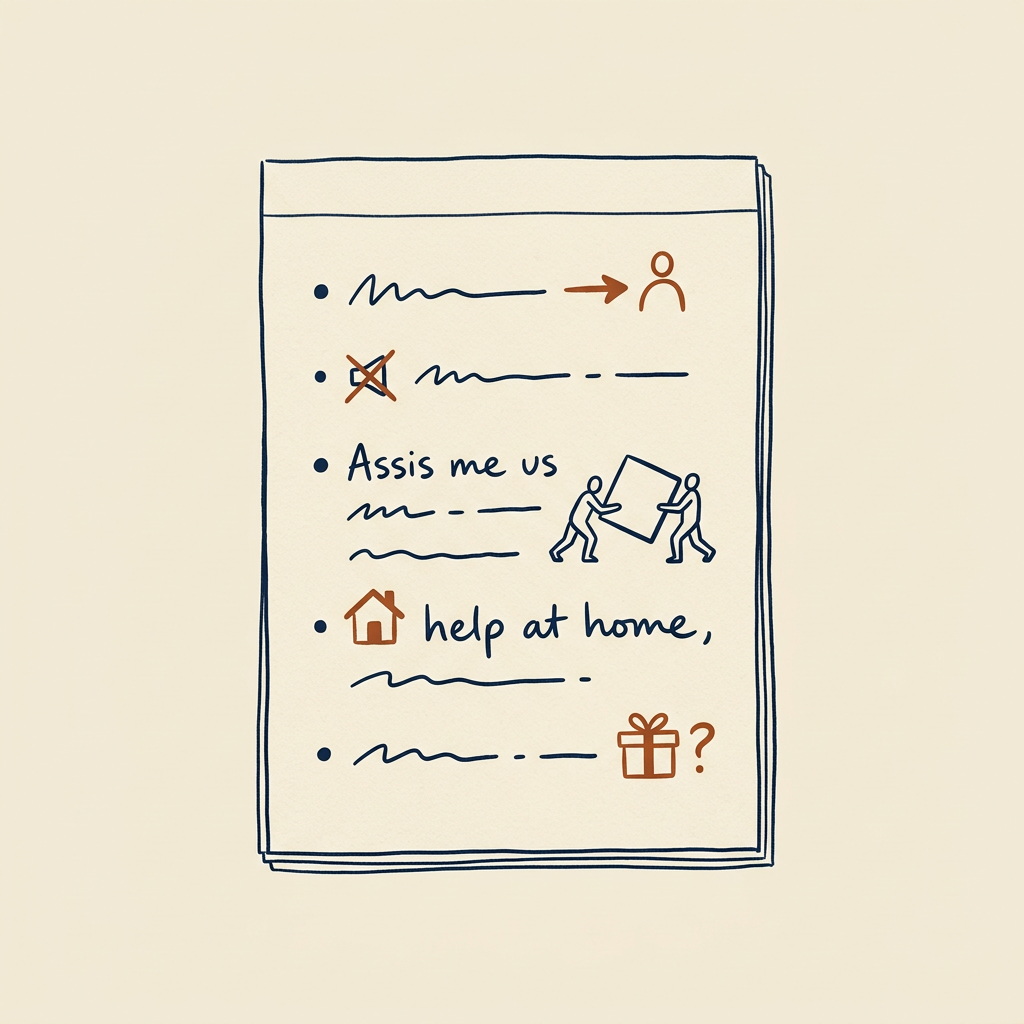
Primary language shows up most clearly in what hurts deepest, what gets requested most often, and how a person naturally gives love to others.
Few people already know their language by name. Chapman offers three diagnostic questions from his counseling work: what does the partner do or fail to do that cuts deepest, what have you asked for most often, and how do you tend to express love—since people usually give what they most want to receive.
Complaints are the most reliable of the three. Repeated grievance about being interrupted points toward time or words; repeated grievance about undone chores points toward service.
Most people also carry a secondary language, so locking onto only one can oversimplify. The common trap is assuming your own language is universal and giving only that. Diagnosis has to precede any useful change in behavior.
In practice: The husband who keeps buying gifts is often gift-primary himself, projecting his preference rather than reading his wife's actual needs.
8
Love as daily choice
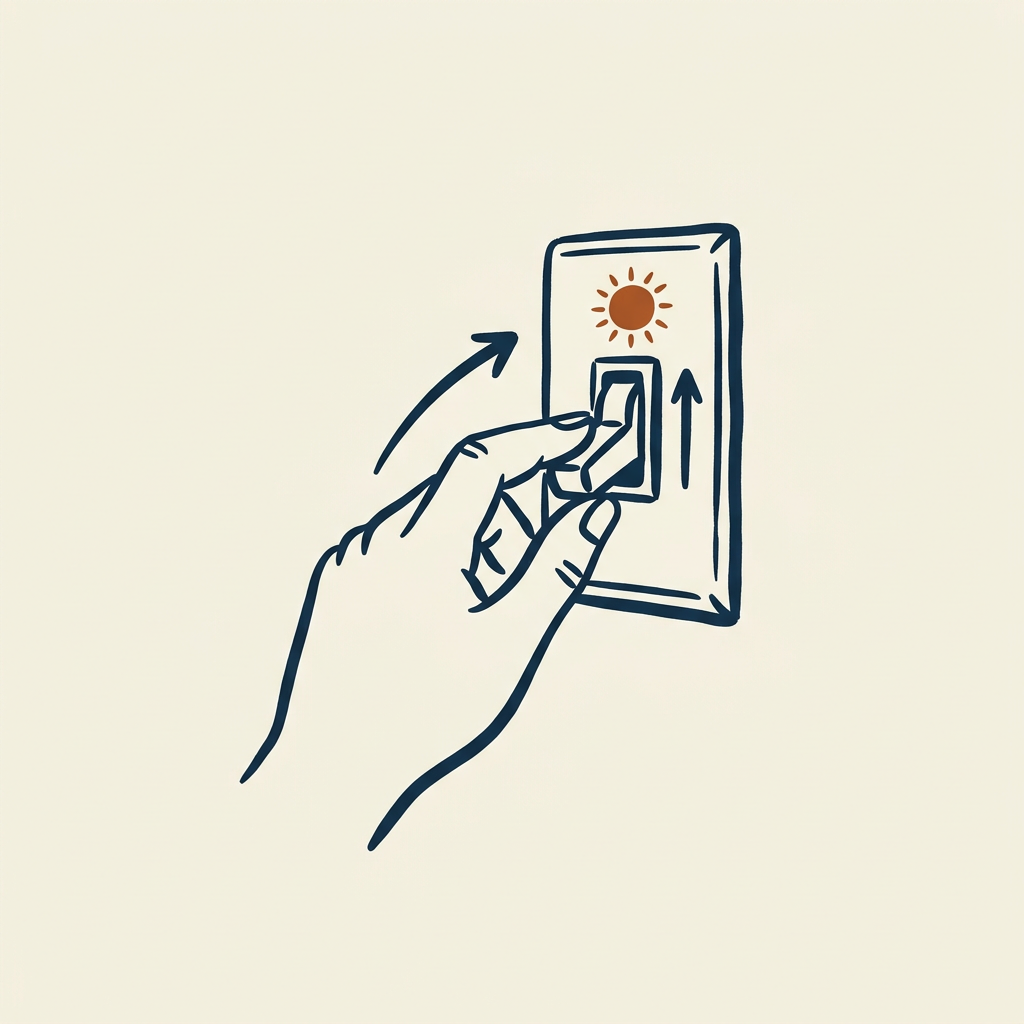
After infatuation fades, love becomes a decision renewed through action in the partner's language, even when warm feelings are absent.
Chapman treats this as the center of the book. Authentic gestures do not have to arrive already warm. Consistent deliberate action, he says, reliably brings feeling back over time.
He describes couples near divorce who commit to speaking each other's primary language for a fixed trial period despite feeling nothing positive. In many cases the tank begins to fill and the actions stop feeling like effort.
One partner starting alone can still shift the dynamic because acted-upon love tends to invite reciprocity. Emotions in long bonds, on his account, run downstream of behavior more than romantic culture admits. The whole taxonomy only matters if love can be chosen this way.
In practice: Couples on the brink agree to a fixed trial of speaking the other's language with no positive feeling present; connection often returns once the tank starts refilling.
Key terms
- Love tank The emotional reservoir that needs regular filling through feeling genuinely loved
- In-love experience Temporary, almost involuntary infatuation that typically fades within about two years
- Words of affirmation Love registered through specific, true praise, encouragement, and kind requests
- Quality time Love registered through undivided attention, not mere proximity
- Receiving gifts Love registered through visible, chosen symbols of being thought of
- Acts of service Love registered through freely given help that eases daily burdens
- Physical touch Love registered through bodily contact as proof of acceptance and security
- Primary love language The dominant channel through which a person most clearly feels cared for
What to do
- Ask your partner what specific recent action made them feel most loved
- Ask what recurring complaint they have about the relationship—it usually names the language
- Pick one small action in that language and do it Monday without waiting to feel like it
- Keep your phone in another room for undivided attention if time is the language
- Refuse the default of giving only your own preferred language
- Track any shift in your partner's warmth over two weeks before judging the trial
Questions to think with
- What does your partner complain about most often, and which language does that point to?
- When you show love, are you giving what you want or what they can actually receive?
- What would speaking their language look like on a day you feel nothing warm?
- Is the mismatch the real problem, or is something harder—abuse, addiction, incompatibility—underneath?
- How would a two-week trial of deliberate action change the daily dynamic?
The other side
The five-category system came from Chapman's counseling caseload, not systematic study. A 2022 study led by Emily Impett, with earlier work by Ashley Egan-Wright and colleagues, found matching a stated love language did not predict satisfaction better than simply receiving more affectionate behavior overall. Factor-analytic studies show the categories overlap rather than cluster cleanly, and the book gives thin treatment to abuse, addiction, infidelity, or basic incompatibility. Written from a conservative evangelical frame aimed at traditional heterosexual marriages, it remains a useful conversation heuristic, not an empirically validated theory.
Who it's for
Married couples stuck in repetitive fights about feeling unappreciated, people dating seriously who want a shared vocabulary for needs, and counselors or pastors looking for a simple frame to hand clients in crisis.