




Character skills beat test scores for lifelong success
GED holders match college-bound graduates on cognitive tests yet land near dropouts on earnings and marriage, which is why Tough puts grit and self-control ahead of IQ.
IJR · Oct 9, 2026 · 12 min read
In 60 seconds
- Heckman found GED holders match college-bound graduates on cognitive tests but track near dropouts on earnings, jobs, and marriage—the gap is persistence, not intellect.
- Toxic stress from early adversity floods the brain with cortisol and impairs prefrontal executive function more than it lowers raw intelligence.
- Responsive infant caregiving buffers that damage better than flashcards or enrichment drills.
- KIPP raised test scores and college entry, yet only around a third of its graduates finished four-year degrees.
- Traits like grit grow through coached confrontation with failure, as a Brooklyn chess program shows by rebuilding every lost game move by move.
- OneGoal-style mentoring through the first college year targets the logistics cliff where many low-income high achievers actually leave.
The big idea
Tough argues long-term achievement depends less on IQ and exam scores than on character strengths—grit, curiosity, self-control—shaped early by stress and attachment. Treat those strengths as coachable and the achievement gap looks more fixable than pure academic drilling ever made it seem.
The book in brief
For decades American reform rested on what Tough calls the cognitive hypothesis: lifelong success tracks the skills IQ tests and exams measure, so schools should drill early and test often. No Child Left Behind in 2001 locked funding and evaluations to reading and math scores. Economist James Heckman's GED work cracked that story open. Holders scored like college-bound graduates on cognitive tests, yet their earnings, jobs, and marriages sat near dropout levels. The missing piece was persistence and self-control.
Tough then turns to biology. Jack Shonkoff separates tolerable stress, brief and buffered by an adult, from toxic stress, prolonged activation with no buffer. Cortisol and related hormones wear down the prefrontal cortex—the seat of planning, impulse control, working memory, and emotional regulation. The ACE study led by Vincent Felitti in the 1990s linked higher childhood trauma counts to heart disease, depression, and early death decades later. The rich-poor achievement gap starts to look like damaged executive hardware, not only missing vocabulary.
If toxic stress is the wound, responsive caregiving is the vaccine. Michael Meaney's heavily groomed rat pups developed calmer adult stress systems through epigenetic change. Human secure attachment works the same direction. Home-visiting nurses who coach isolated mothers on reading infant cues matter more than preschool workbooks. Poverty makes that calm consistency harder because stress hits parents too.
KIPP charter schools, founded in Houston in 1994, tested the limits from another side. Long days and strict academics produced high test scores and college admissions in low-income neighborhoods. Tracking later showed only around a third of graduates finished four-year degrees. Strong students still folded without external structure—roommates, open time, professors who did not chase homework. David Levin concluded the network had taught compliance and computation, not persistence through discomfort.
That sent Levin to Dominic Randolph at Riverdale and to Angela Duckworth and Christopher Peterson. Together they built the Character Growth Card rating grit, self-control, zest, social intelligence, gratitude, optimism, and curiosity. Tough follows grit to West Point and the National Spelling Bee, then finds a living lab in Elizabeth Spiegel's Brooklyn chess team, where every loss is rebuilt move by move. He closes with undermatching research and Chicago's OneGoal, which keeps near-peer mentors on students through the first college year—the stretch where logistics, not intellect, usually decide who stays.
Context
Journalist Paul Tough published the book in 2012 after reporting across neuroscience labs, economics departments, charter schools, and a Brooklyn chess program. It challenged the test-score logic then dominating reform and pushed educators and policymakers toward interventions aimed at emotional regulation and resilience, not academic content alone.
The key ideas

1
When test scores mislead
Heckman concluded the real gap was persistence and self-control, not intelligence.
What schools measured
IQ-style skill via early drilling and standardized exams
What predicted better lives
Persistence, self-control, and finishing something difficult
Economist James Heckman studied adults who left high school and later earned a GED. On cognitive tests they scored about the same as high school graduates who went on to college. Over a lifetime their earnings, employment, and marriage stability sat far closer to dropouts than to graduates.
He read that split as proof a second skill set—finishing hard things, regulating impulses—mattered as much as or more than raw intellect. Tough treats the finding as the crack in the cognitive hypothesis that had steered decades of policy.
Schools had bet the other way: early academic drilling plus repeated exams would unlock everything that followed. Funding formulas and teacher ratings followed the same bet.
The rest of the reporting chases one practical question. If those noncognitive skills can be named, can they also be built, and how early must the work start.
In practice: No Child Left Behind tied school money and teacher evaluation straight to reading and math scores under exactly this cognitive logic.

2
Toxic stress rewires kids
Chronic early adversity impairs prefrontal executive circuitry through prolonged cortisol more than it lowers raw intelligence.
Tolerable stress
Brief activation, adult buffer, full recovery
Toxic stress
Prolonged activation, no buffer, prefrontal damage
Tough leans on Jack Shonkoff at Harvard's Center on the Developing Child to split ordinary hardship from toxic stress. Tolerable stress is short and recovered from with a caring adult present. Toxic stress is months or years of stress-response activation with no buffer.
That flood of cortisol and related hormones wears down the prefrontal cortex. Planning, impulse control, working memory, and emotional regulation all sit there—the exact tools classrooms demand.
Vincent Felitti's ACE study at Kaiser Permanente in the 1990s surveyed tens of thousands of adult patients about childhood traumas such as divorce, abuse, parental incarceration, or household substance abuse. Higher counts predicted worse health decades later.
The pathway was biological wear, not only later bad choices. The achievement gap starts to look like injured hardware for sitting still and riding out frustration.
In practice: Well-funded reading programs in high-poverty schools often disappoint because they never touch the executive-function injury underneath.
3
Caregiving beats flashcards
Consistent responsive care in infancy protects the stress system more than deliberate cognitive enrichment.
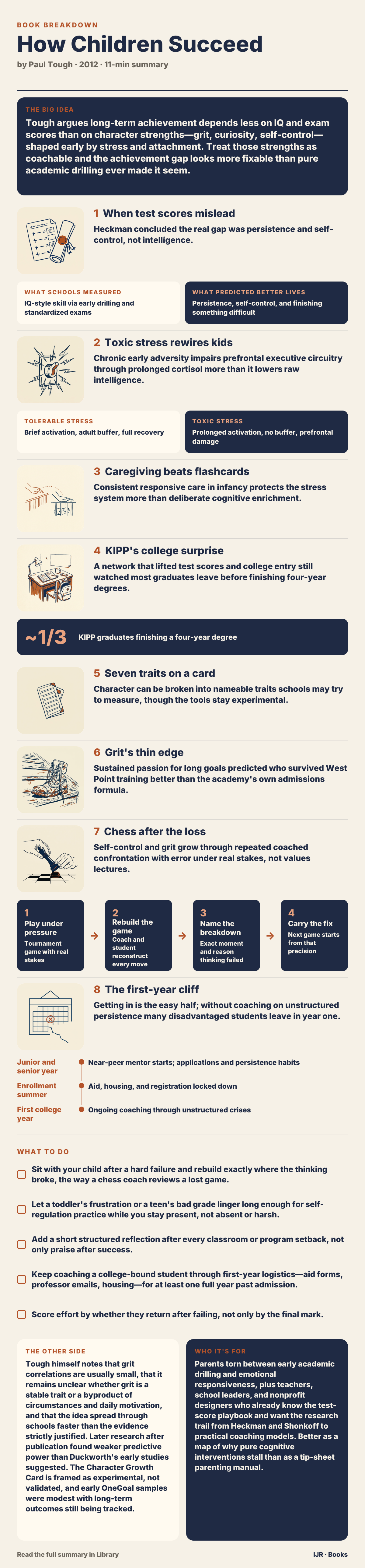
If toxic stress is the wound, Tough argues responsive parenting is the primary vaccine. Canadian neuroscientist Michael Meaney found that rat mothers who licked and groomed pups often produced adults with calmer stress-hormone systems.
The effect crossed generations and ran through epigenetic changes in gene expression, not rewritten DNA. Human patterns point the same way: prompt sensitive answers to infant distress build secure attachment, which later predicts stronger emotional regulation.
This is not enrichment theater. No flashcards, no educational videos. It is emotional reliability in the first two years. Home-visiting programs send nurses or community workers to coach isolated low-income mothers on reading cues and answering consistently.
Poverty makes that reliability harder to hold. Chronic stress on parents themselves erodes calm responsiveness, not because poor parents care less.
In practice: Tough notes a calm responsive bond early on may do more for later learning capacity than any preschool workbook.

4
KIPP's college surprise
A network that lifted test scores and college entry still watched most graduates leave before finishing four-year degrees.
~1/3
KIPP graduates finishing a four-year degree
KIPP began in Houston in 1994 under Mike Feinberg and David Levin. Long days, strict discipline, and heavy academics produced strong test scores in low-income neighborhoods and college admission rates far above local peers.
Years later Levin tracked alumni and hit a wall. Only around a third were completing four-year degrees—little better than the national average for low-income students despite far stronger preparation.
Some of the strongest KIPP students, kids who had mastered algebra and beaten wealthier peers on state tests, left after one semester. Roommates, unstructured time, professors who did not chase late work, and distance from home undid them.
Levin's conclusion became a turning point for the network and for Tough's argument: KIPP had taught compliance and computation, not persistence once external structure vanished.
In practice: Students who outscored richer peers on state exams still could not manage a syllabus without someone enforcing every deadline.

5
Seven traits on a card
Character can be broken into nameable traits schools may try to measure, though the tools stay experimental.
Levin partnered with Dominic Randolph, headmaster of Riverdale Country School, an elite Bronx private campus. Randolph saw affluent students reach top colleges brittle and anxious, having rarely met a real setback.
They worked with Angela Duckworth and Christopher Peterson, drawing on Peterson and Martin Seligman's catalogue of strengths. The Character Growth Card rated grit, self-control, zest, social intelligence, gratitude, optimism, and curiosity through teacher observation and student surveys.
At KIPP the card meant a failed math test mattered less than whether the student kept trying. At Riverdale it meant telling parents that shielding a child from failure was itself a harm.
Tough treats the odd alliance—poor charter kids and privileged private-school kids—as evidence that character gaps cut both ways. Privilege can erase practice with frustration because adults always managed it away. He also flags the card as unproven, a hypothesis in use rather than a validated instrument.
In practice: Riverdale parents heard that protecting a child from every setback could leave them less able to recover when one finally arrived.
6
Grit's thin edge
Sustained passion for long goals predicted who survived West Point training better than the academy's own admissions formula.
Of the seven traits, grit drew the spotlight because Angela Duckworth had built a full research program around it. She defines grit as sustained passion and perseverance toward a long-term goal—commitment counted in years, not one resisted temptation.
Her best-known study followed West Point cadets through Beast Barracks, the brutal summer that ends some careers early. The Whole Candidate Score built from SAT, class rank, and fitness failed to predict quitters. A short grit questionnaire did, modestly but measurably better than the academy's own formula.
National Spelling Bee finalists showed a similar pattern: grittier competitors advanced further even after vocabulary knowledge was controlled. Tough reports the results with real enthusiasm yet marks the limits. Correlations are usually small. Grit may be a stable trait or mostly a snapshot of health, circumstances, and daily motivation.
Critics press the chicken-and-egg question: does grit cause success, or do early wins later read as grit on a survey. Tough does not fully settle it, and he notes the idea raced through schools faster than the evidence base strictly warranted.
In practice: Spelling Bee finalists with higher grit scores advanced further even when their word knowledge matched rivals who went home earlier.
7
Chess after the loss
Self-control and grit grow through repeated coached confrontation with error under real stakes, not values lectures.
- 1Play under pressureTournament game with real stakes
- 2Rebuild the gameCoach and student reconstruct every move
- 3Name the breakdownExact moment and reason thinking failed
- 4Carry the fixNext game starts from that precision
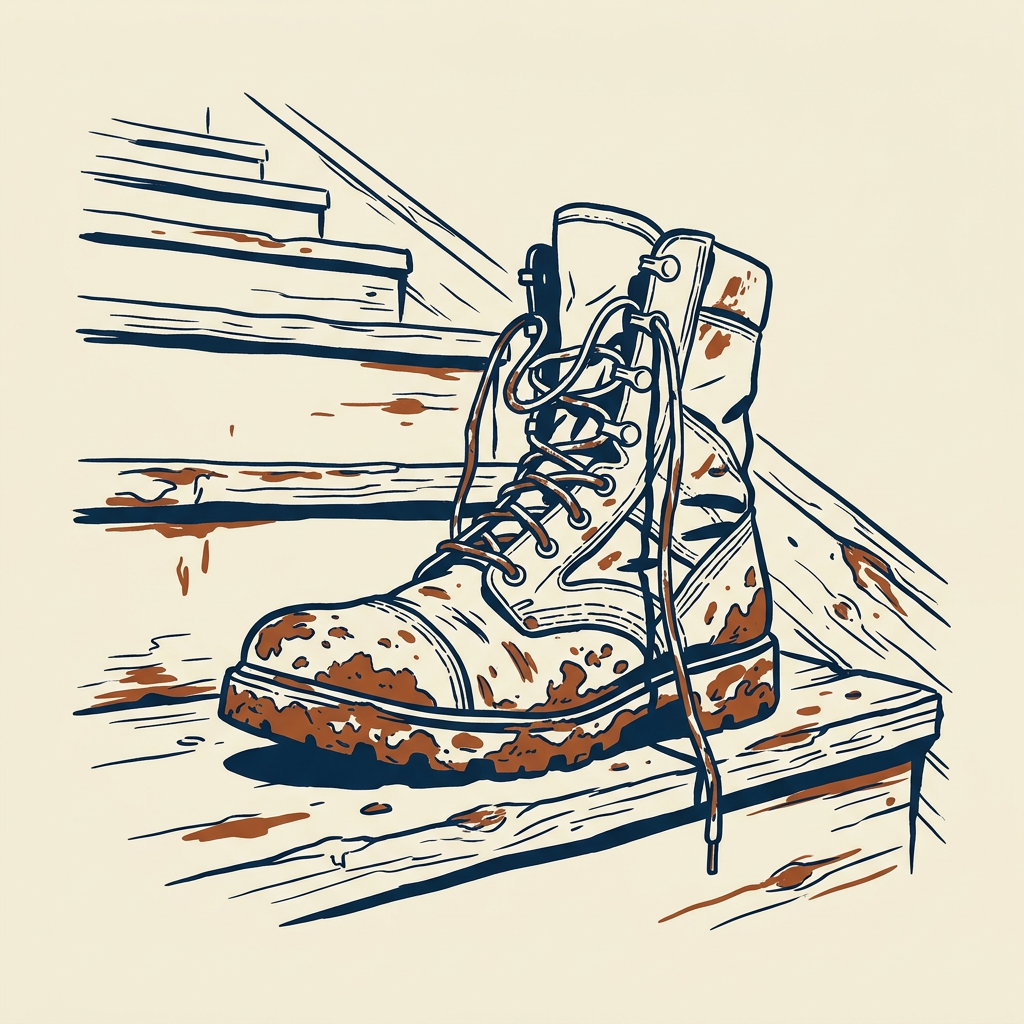
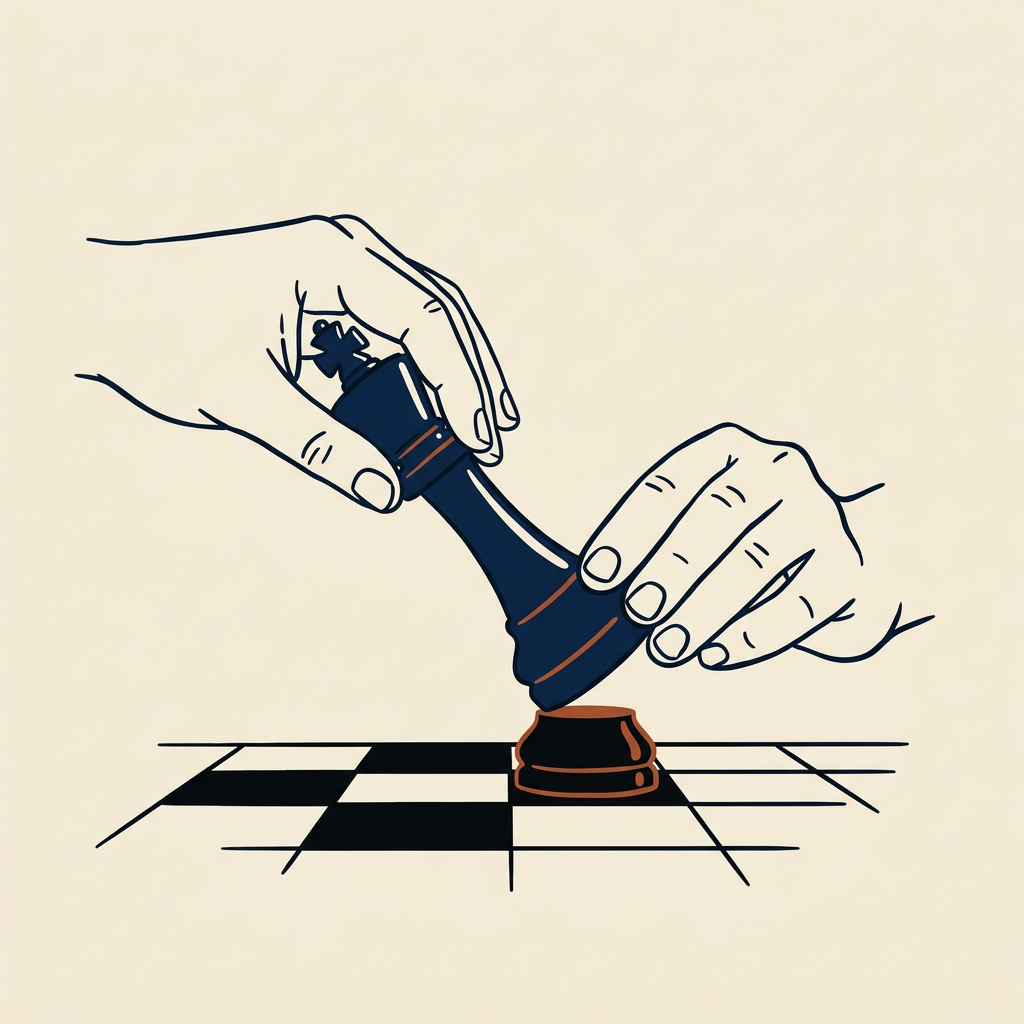
Tough finds a working model in Elizabeth Spiegel, chess coach at Intermediate School 318 in Williamsburg, Brooklyn. The public school serves mostly low-income immigrant families, yet her teams regularly beat wealthy private-school programs at national tournaments.
Her method skipped endless opening drills. After every tournament game, win or lose, she sat with the student and rebuilt the match move by move. Each player had to name exactly where the thinking failed and why—no luck excuses, no credit to the opponent's brilliance.
Failure became raw material instead of something to dodge. One student Tough follows improves not by sudden talent but by lasting longer in honest self-examination than rivals would sit through.
Spiegel's table becomes concentrated character practice: real stakes, expert feedback, a habit of facing error directly. Closer to athletic coaching than a poster of virtues on a wall.
In practice: Her players took national scholastic titles with minimal resources because postgame honesty was non-negotiable every single time.

8
The first-year cliff
Getting in is the easy half; without coaching on unstructured persistence many disadvantaged students leave in year one.
- Junior and senior yearNear-peer mentor starts; applications and persistence habits
- Enrollment summerAid, housing, and registration locked down
- First college yearOngoing coaching through unstructured crises
Melissa Roderick and the University of Chicago Consortium documented undermatching: low-income students with strong grades and scores often skipped selective colleges that fit their records. They chose weaker schools nearby or none at all, mostly from unfamiliarity and no adult who had walked the path.
Even four-year enrollees left in high numbers. The usual cause was not failed exams but lost logistics—registration deadlines, financial-aid renewal, choosing a major—without a parent or counselor tracking each step.
Tough profiles OneGoal, founded in Chicago in 2009 by teacher Jeff Nelson. It pairs students with a near-peer mentor, often a recent graduate from a similar background, for three years spanning the last two of high school and the first of college.
The work rehearses persistence: how to ask a professor for help, how to solve a housing snag without quitting, how to read a bad grade as fixable. Early results showed higher persistence than similar peers, though samples were modest and longer outcomes still incoming.
In practice: Mentors practiced the unglamorous moves—renewing aid forms, emailing instructors—that usually decide who is still enrolled by October.
Key terms
- cognitive hypothesis The belief that lifelong success mainly tracks IQ and test scores built by early academic drilling and repeated exams.
- toxic stress Prolonged early activation of the stress response with no buffering adult, which can damage prefrontal executive circuitry.
- noncognitive skills Persistence, self-control, and related traits that shape life outcomes beyond what tests measure; later often called character.
- ACE score A count of adverse childhood experiences such as abuse, neglect, or household dysfunction, linked to later health and life results.
- Character Growth Card An experimental report card rating seven traits—grit, self-control, zest, social intelligence, gratitude, optimism, curiosity—by observation and surveys.
- grit Sustained passion and perseverance toward a long-term goal, measured across years rather than a single moment of willpower.
- undermatching When strong low-income students apply to colleges below their qualifications, or skip college, often from missing guidance.
- Beast Barracks West Point's grueling summer training that ends some cadet careers before the academic year begins.
What to do
- Sit with your child after a hard failure and rebuild exactly where the thinking broke, the way a chess coach reviews a lost game.
- Let a toddler's frustration or a teen's bad grade linger long enough for self-regulation practice while you stay present, not absent or harsh.
- Add a short structured reflection after every classroom or program setback, not only praise after success.
- Keep coaching a college-bound student through first-year logistics—aid forms, professor emails, housing—for at least one full year past admission.
- Score effort by whether they return after failing, not only by the final mark.
Questions to think with
- Where does your school or home still treat test scores as the full story of a child's future?
- Which early stresses in a child's life currently lack a consistent adult buffer?
- After the last failure you watched, did you jump to comfort or rebuild the mistake together?
- If grit correlations stay small, what else must sit beside character coaching to move real outcomes?
- Who is still mentoring your students three months into their first college semester?
The other side
Tough himself notes that grit correlations are usually small, that it remains unclear whether grit is a stable trait or a byproduct of circumstances and daily motivation, and that the idea spread through schools faster than the evidence strictly justified. Later research after publication found weaker predictive power than Duckworth's early studies suggested. The Character Growth Card is framed as experimental, not validated, and early OneGoal samples were modest with long-term outcomes still being tracked.
Who it's for
Parents torn between early academic drilling and emotional responsiveness, plus teachers, school leaders, and nonprofit designers who already know the test-score playbook and want the research trail from Heckman and Shonkoff to practical coaching models. Better as a map of why pure cognitive interventions stall than as a tip-sheet parenting manual.