




Education means earning the right to rewrite your own life
Westover argues real education is not facts but the costly power to question the family story you were raised inside—even when that story is the only home you have.
IJR · Oct 8, 2026 · 9 min read
In 60 seconds
- A survivalist Mormon childhood on Buck's Peak meant no school, no hospitals, and no birth certificate until age nine.
- Junkyard injuries and home remedies trained the family to treat pain as faith, not emergency.
- Brother Shawn's years of violence were protected by a household that treated denial as loyalty.
- Self-study and the ACT got her into BYU; campus exposed gaps she did not know she had.
- Cambridge historiography gave her a method to hold her father's account at a critical distance.
- Choosing her own mind over family loyalty brought estrangement, grief, and no clean resolution.
The big idea
Westover treats education as the acquired ability to examine the account of reality you inherited—including the account of your own abuse—rather than live inside it. That capacity, she insists, can cost parents, siblings, and the mountain that still holds your tenderness.
The book in brief
Westover opens on Buck's Peak, where Gene ran a junkyard and preached that schools, hospitals, and government were Illuminati tools. Faye midwifed and treated burns at home. The family stockpiled for the Days of Abomination. Beauty and mutual dependence sat beside total distrust of any outside voice that might offer a second version of events.
Labor in the scrap yard made severe injury ordinary. Prayer and tinctures replaced ERs. The pattern taught her to doubt her own sense of harm. That same doubt later slowed her naming of Shawn's choking, wrist-twisting, and insults, which the household reframed as her fault or as never having happened.
Tyler’s college break gave her a model. She drilled algebra between junkyard shifts, sat the ACT twice, and reached BYU without ever having sat in a classroom. There the isolation showed: shared cultural baselines she lacked turned ordinary lectures into humiliation and then into obsession.
Cambridge under Steinberg shifted the stakes. Historiography—how founding myths get written—handed her a vocabulary for her father’s persecution story and for her own supposed instability. She could finally hold the family narrative as one interpretation among others.
Speaking about Shawn fractured the household. Some siblings corroborated; parents demanded recantation and a purge of demonic influence. Oscillation between outreach and rupture marked her doctoral years, along with breakdowns. Estrangement became self-preservation, not triumph.
She closes without victory. The girl on the peak is gone; grief and contested memory remain. Education, in her telling, is the unfinished work of deciding who gets to define you.
Context
Westover published the memoir in 2018 as a first-person account of leaving an isolated Idaho survivalist household for BYU and finally a Cambridge PhD. The book’s force lies in its refusal to treat that path as simple escape.
The key ideas

1
Isolation as soft control
Cutting off schools and hospitals does not merely protect a family; it removes every rival narrator of reality.
Claimed protection
No schools, hospitals, or government papers keep the family pure and ready
Working effect
No rival voice can correct the household story of danger, faith, or harm
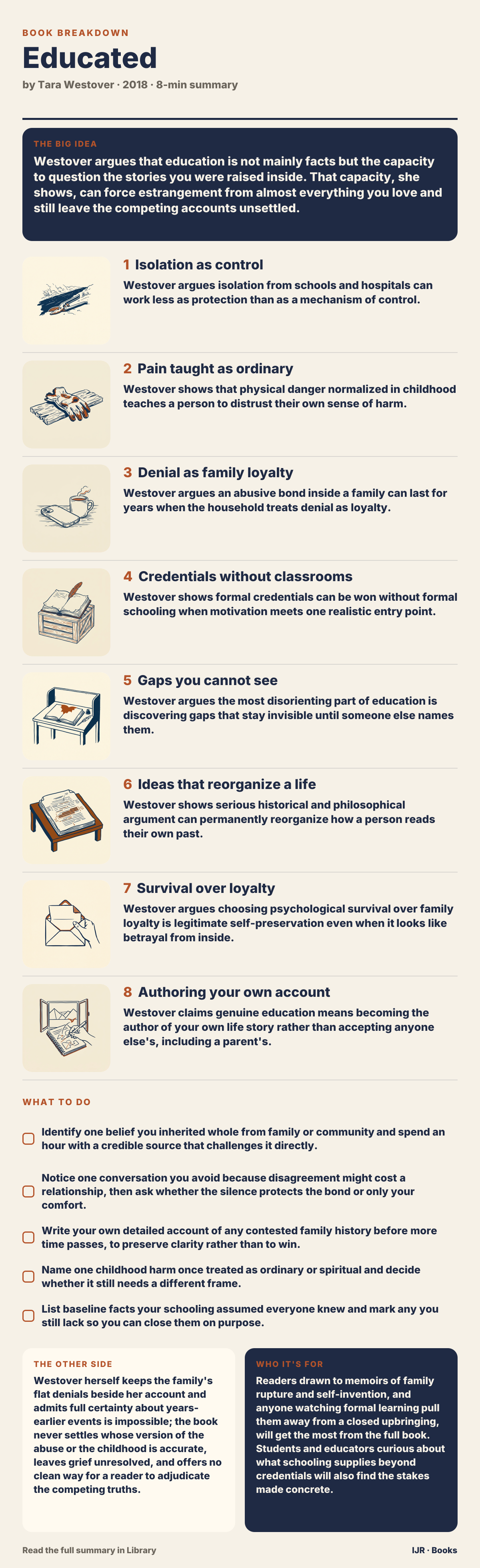
Gene cast public institutions as instruments of a corrupt system preparing to persecute true believers. Faye’s home births and herbal treatments completed the seal. Without a reliable birth date even at nine, Westover had no paper self the state could recognize.
Shared belief and mountain beauty bound the seven children tightly. The same seal meant no teacher, doctor, or clerk could ever contradict the household story. Dependence and distrust grew from the same root.
The junkyard stood as the daily emblem: unguarded machinery treated as normal life, injury treated as spiritual test. Control looked like righteousness until an outside account became possible.
In practice: Food and fuel stockpiled for the Days of Abomination turned future collapse into the family’s organizing fact.
2
Pain taught as faith
When childhood injury is always met with prayer instead of an ER, a person learns to distrust their own signal that something is wrong.
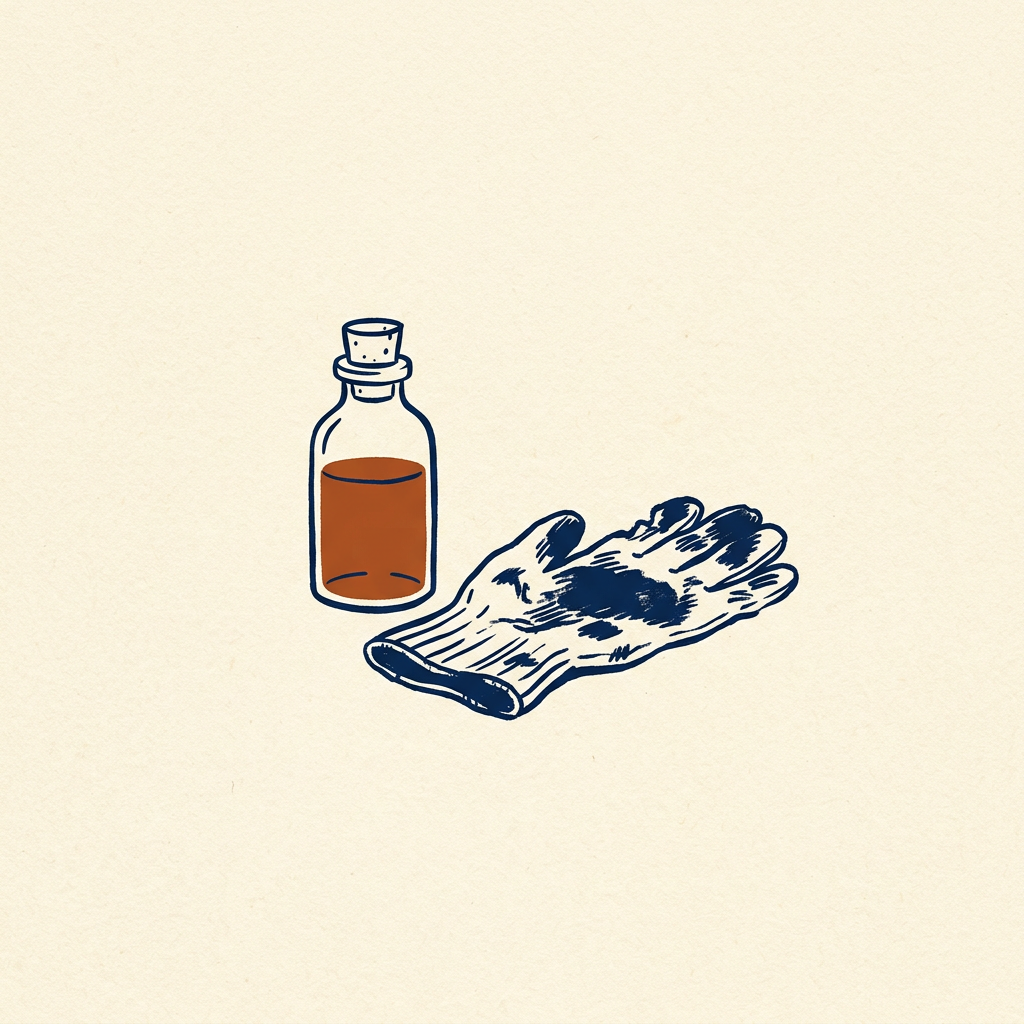
Scrap work brought fire, explosions, and repeated head trauma. Each time the response was tinctures, homeopathy, and endurance framed as self-reliance.
Westover sorted metal and ran equipment without training. Harm became background noise. The body stopped being a trustworthy witness.
That training echoed years later. Difficulty calling abuse by its name, or treating her own suffering as worth action, traced to a childhood that reframed every alarm as a test of faith.
In practice: Home remedies followed every junkyard accident, so emergency care never became a thinkable option.
3
Denial as family loyalty
An abuser can operate for years when the household treats disbelief of the victim as proof of love.
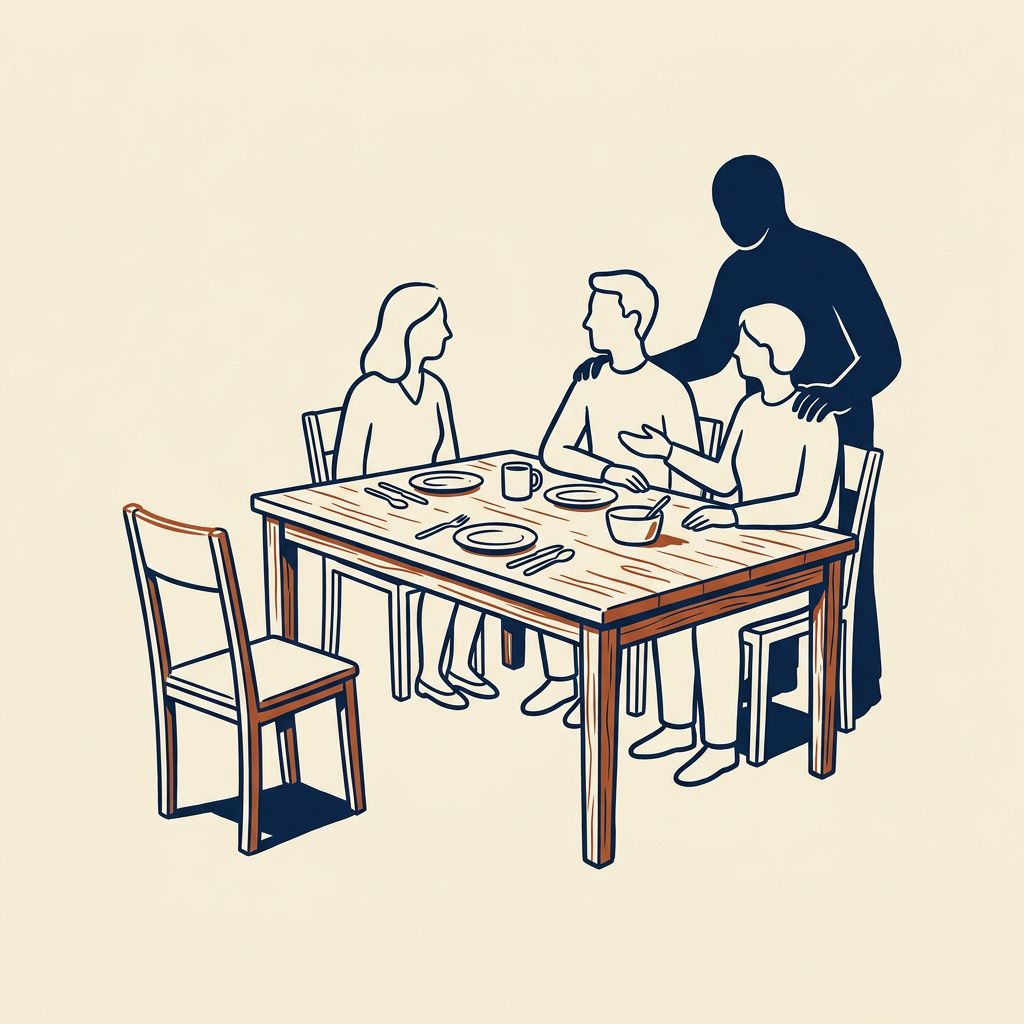
Shawn’s pattern mixed violence with tender apologies and claims that the events were her fault or had not occurred. The surrounding family had a strong investment in one coherent, faith-affirming story.
As an adult she brought the pattern to her parents. Faye first validated it privately, then reversed under pressure from Gene and Shawn. Tara became the unstable one.
Being disbelieved by the people closest to her damaged more than the original acts. Westover sets the family’s flat denials beside her own memories and admits full certainty is impossible—an admission that serves the book’s larger point about competing household truths.
In practice: Parents eventually demanded she recant and submit to a ritual purge of what they called demonic influence.
4
One test as doorway
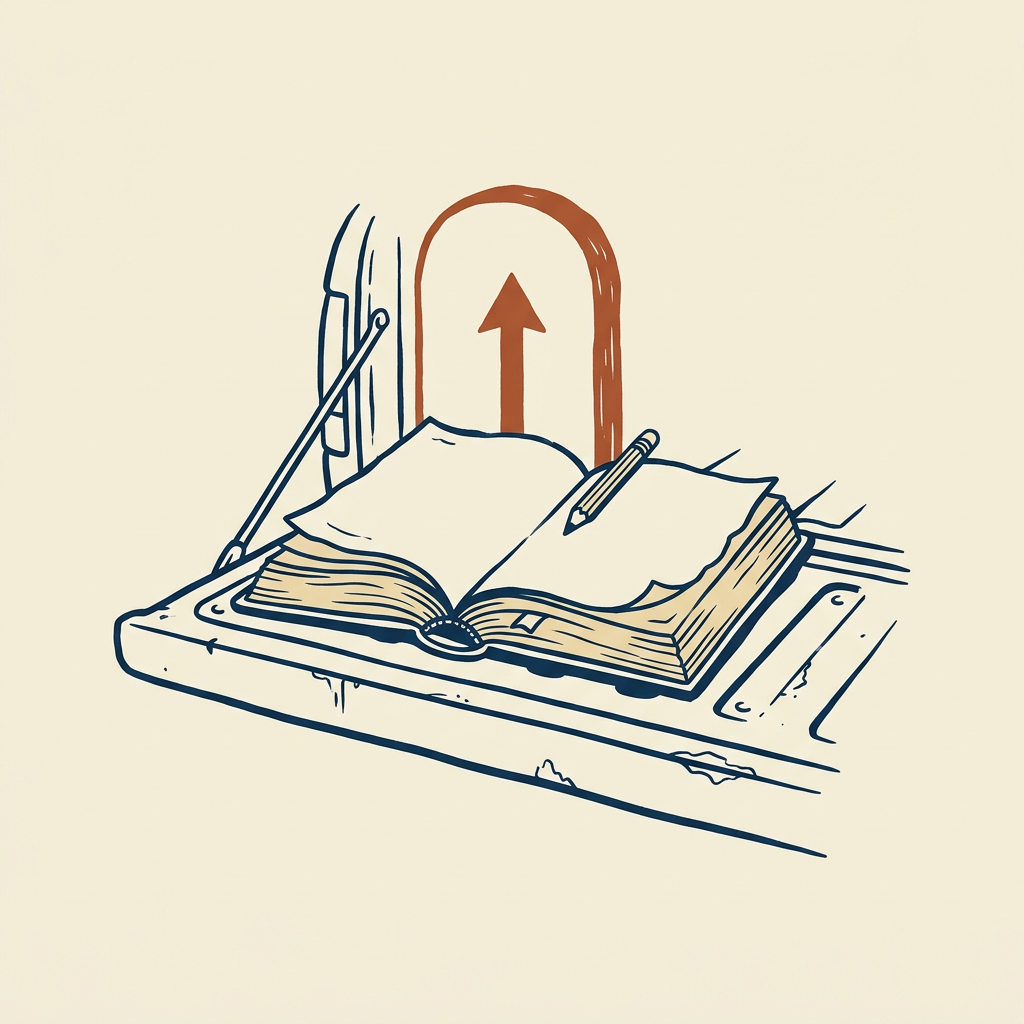
A motivated learner with used textbooks and a single standardized entry point can bypass years of missing classrooms.
Reading came from her mother and the Book of Mormon. Tyler, who had already defied Gene for college, passed along fragments of math and science.
She drilled algebra and trigonometry in hours stolen between junkyard shifts and hired-hand work. Two sittings of the ACT produced a score BYU would take.
The bypass worked and also exposed its price. She arrived without the baseline facts her classmates never thought about, a gap that isolation had made invisible to her until the campus made it public.
In practice: Tyler’s earlier break from the mountain gave her both the method and the proof that leaving was possible.
5
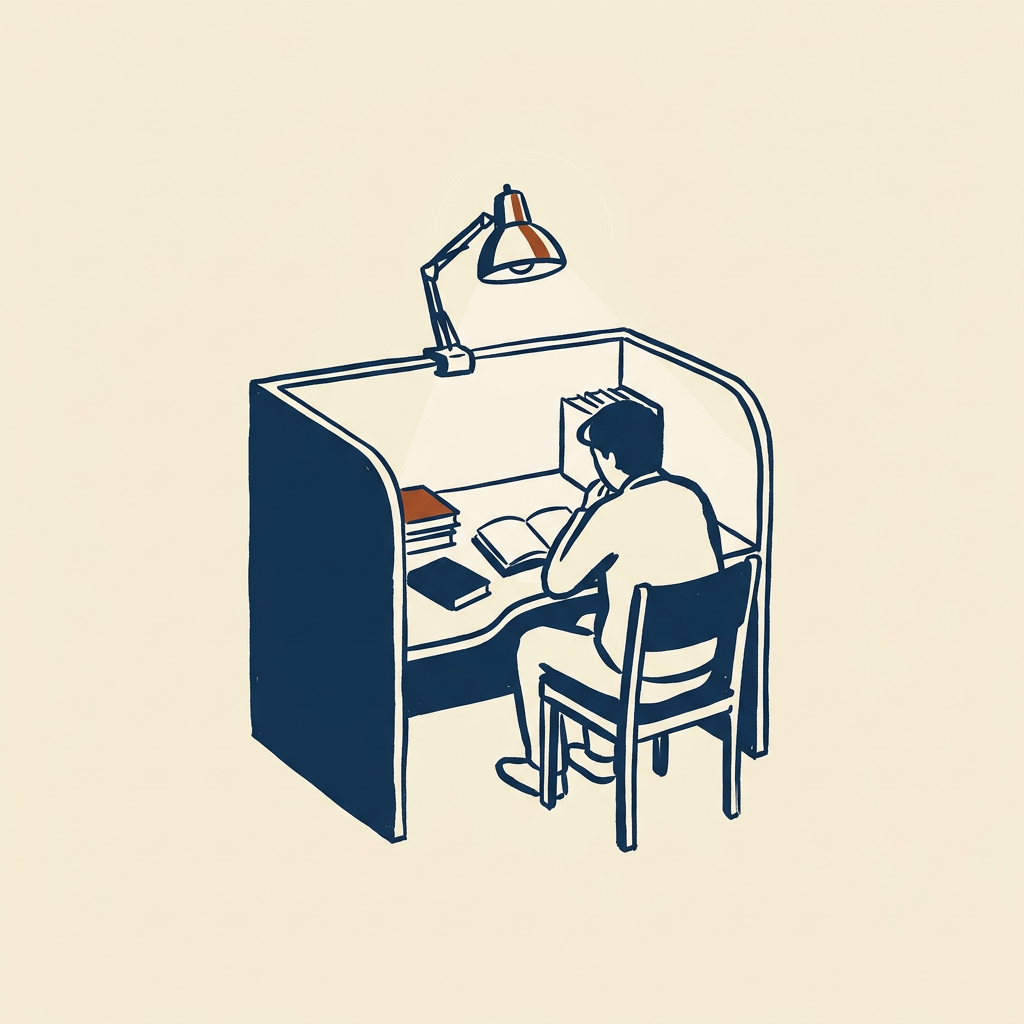
Gaps you cannot see
The deepest disorientation of late schooling is learning that your ignorance was invisible until someone else named it.
- ArrivalBaseline facts other students already hold
- ExposureClassroom silence names the gap
- ResponseLibrary nights and sharp grade turn
- OpeningNomination toward Cambridge study
Casual references in lectures exposed history, science, and social facts her peers had absorbed years earlier. Shame hit before understanding did.
Institutional schooling’s quiet work, she argues, is less any single fact than a shared floor that lets people talk without constant translation. Without it, isolation continues in a new form.
Once curiosity overtook embarrassment she read through nights. Grades climbed fast enough that a professor put her forward for Cambridge—the first real opening beyond the family frame.
In practice: An art-history lecture turned on a word she did not recognize; the library session afterward became her new pattern.

6
Method over myth
Serious historical argument can permanently reorganize how you read your own childhood.
Steinberg pushed her toward graduate work after an essay linked Mormon prophets to thinkers such as Mill and Berlin. A master’s and PhD followed, centered on how history is written and by whom.
That training supplied distance. Her father’s account of the world and of her own life became one interpretation, not bedrock fact.
National and religious founding myths gave her a mirror for the family’s stories of persecution, self-reliance, and her alleged instability. Only with that tool could she reassess both Shawn’s violence and her parents’ response.
In practice: Comparing prophetic authority to liberal philosophers first showed Steinberg what her mind could do with distance.

7
Estrangement as survival
Walking away from family loyalty can be self-preservation even when it looks like betrayal from inside the old story.
Inside the family
Estrangement reads as betrayal and demonic drift
From her side
Distance is the remaining way to keep a mind intact
As she spoke to siblings about Shawn, the household split. Tyler and Audrey sometimes backed her; others aligned with parents who treated her as dead unless she submitted.
She oscillated for years—reconciliation attempts, fresh rupture—while still craving approval she knew was harming her. Doctoral study ran alongside serious psychological distress.
The claim is stark and uncelebratory: loyalty is not automatic virtue. Permanent distance may be what particular circumstances require, and the bill is nearly everything familiar.
In practice: Parents made return conditional on recanting her account and undergoing a purge ritual.
8
Author of your account
Genuine education ends in self-authorship: you decide what you believe about your life and who is allowed to define you.
She separates the child who once believed Gene’s world from the adult who can examine that world. The girl on Buck’s Peak no longer exists in the same way; reading and distance rebuilt the self.
She refuses a clean win. Grief for her parents continues. Childhood memories stay uncertain. Siblings who stayed on the mountain made a coherent different choice.
Degrees were never the point. The point is the ongoing, incomplete act of holding your history up to scrutiny and keeping the pen.
In practice: She lets competing versions of the family past stand without declaring final victory for her own.
Key terms
- Days of Abomination The family’s name for the collapse they stockpiled food and fuel to survive
- Buck’s Peak The Idaho mountain home that held both beauty and the closed family system
- Gene’s account The father’s Illuminati-and-persecution story treated inside the house as simple fact
- Historiography The study of how history is written and by whom; the tool that let her distance her own past
- Shared baseline The common facts schooling quietly gives so people can speak without constant translation
- Self-authorship Becoming the one who interprets your life instead of accepting a parent’s version
- Denial as loyalty The household habit of protecting the group story by disbelieving the person who names harm
What to do
- Pick one belief you inherited unexamined and spend an hour with a credible source that directly challenges it.
- Notice one conversation you avoid because disagreement might cost a relationship; decide whether the silence protects the bond or only your comfort.
- If family tension turns on clashing facts, write your own full account now to keep your clarity, not to win.
- List the authorities your childhood treated as untouchable and mark which ones you still never test.
- Schedule one concrete check—medical, legal, or educational—you were raised to fear and complete it.
Questions to think with
- Which parts of your family story have you never tested against an outside record?
- When does loyalty stop protecting people and start protecting a narrative?
- What baseline knowledge do you assume everyone shares that someone might be missing?
- If estrangement is sometimes survival, how do you grieve without returning to harm?
- Who currently gets the last word on what your childhood meant?
The other side
The gravest charges rest on contested private memory; named family members deny them, and no external record can settle which version is accurate.
Who it's for
Readers who want a clear-eyed memoir of family rupture and the real price of learning to think outside a closed system. Educators and students curious about what schooling supplies beyond credentials will find the gap-and-baseline chapters especially useful.