



Djibouti Boat Capsize Kills 109, Leaves 116 Missing
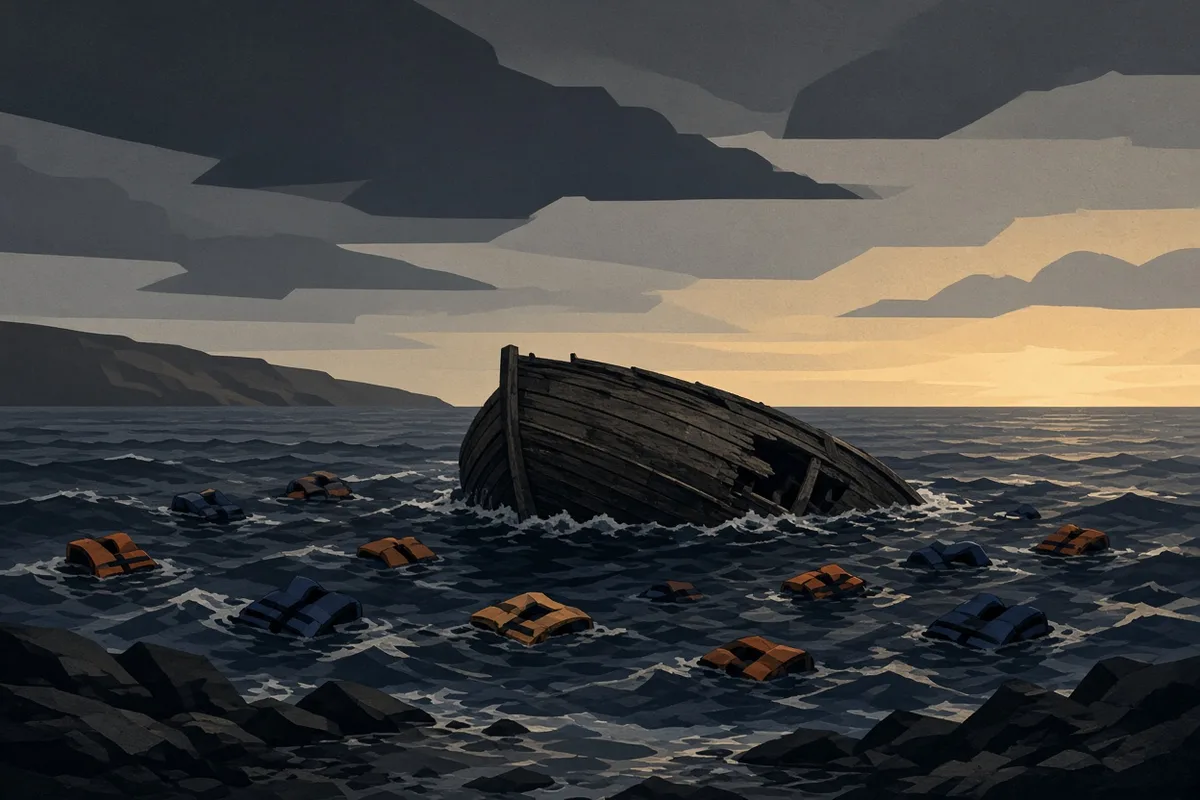
Near Guhere, north of the port town of Obock, a boat bound from Djibouti to Yemen capsized on the night of 8–9 October 2026. Survivors described the wreck to the International Organization for Migration. The passenger load was already uncertain: the IOM and the Guardian put 305 people on board; the BBC and other outlets reported 350.
Alexandre Coissac, IOM chief of mission in Djibouti, spoke as the first tallies came in. “This is a devastating loss of life. Our thoughts are with the survivors and the families who have lost loved ones or remain without news of their relatives,” he said.
At least 109 people were confirmed dead. One hundred sixteen were reported missing. More than eighty had survived the water, all of them Ethiopian nationals. Separate reports put the survivor number at eighty-two. The gap between those numbers left the full measure of the night still open on the water off Guhere.

Djiboutian authorities worked alongside IOM teams at Obock to provide emergency assistance on shore, to offer medical care to the survivors, and to arrange burials for the dead already recovered. “Our teams are on the ground alongside local authorities to provide emergency assistance,” Coissac said. The agency’s Migrant Response Centre in the town assisted sixty-four of those who had survived. They received healthcare, psychosocial support and food. The rest of the accounting, including everyone still missing, had not been closed.
Search and rescue operations continued under Djiboutian authority. Those reported missing had not been located.
They were aiming for the Bab el-Mandeb, the strait between Djibouti and Yemen. At its narrowest the crossing measures only twenty to twenty-six kilometres. On the far side, fighting between the Saudi-backed government and Iran-backed Houthis had escalated after a 2022 UN-brokered truce broke down. The short stretch of sea still drew those looking for work farther on in the Gulf.
The strait is called Bab el-Mandeb, the Gate of Grief. The name comes from the dangers attending its navigation, or from an Arab legend of the numbers drowned when an earthquake separated the Arabian Peninsula from the Horn of Africa.

“This tragedy is a stark reminder of the dangers faced by migrants along this migration corridor as they seek economic opportunities,” Coissac said. The IOM statement set out what pushed people onto the water: “Poverty, insecurity and the growing impacts of climate change drive many to undertake this journey, despite mounting instability across the Middle East.”
One hundred seventy-eight thousand people arrived in Djibouti from Ethiopia between January and October 2026. The IOM recorded more than twenty thousand movements from Ethiopia to Djibouti since 10 September. Kennedy Omondi Okoth, an IOM spokesman, said most of those attempting the journey came from Ethiopia or Somalia, and that many ended up stuck in Djibouti. The boats kept leaving for a shore already under strain.
In April a member of the International Organization for Migration inspected the wreckage of a boat that had capsized at Guehere beach near Obock while carrying migrants to Yemen. Months later, in September, IOM workers received people fleeing Yemen after their boats docked at the shores of Obock. The same coast recorded both the wrecks bound for Yemen and the arrivals coming the other way. More than nine hundred migrants died or went missing on this route in 2025. The number of people attempting the journey rose by eighteen percent. A shipwreck in March 2026 killed nine and left forty-five missing.
Amy Pope, the IOM Director General, said: “No one gets into a boat like that unless they believe there is no other safe way.”
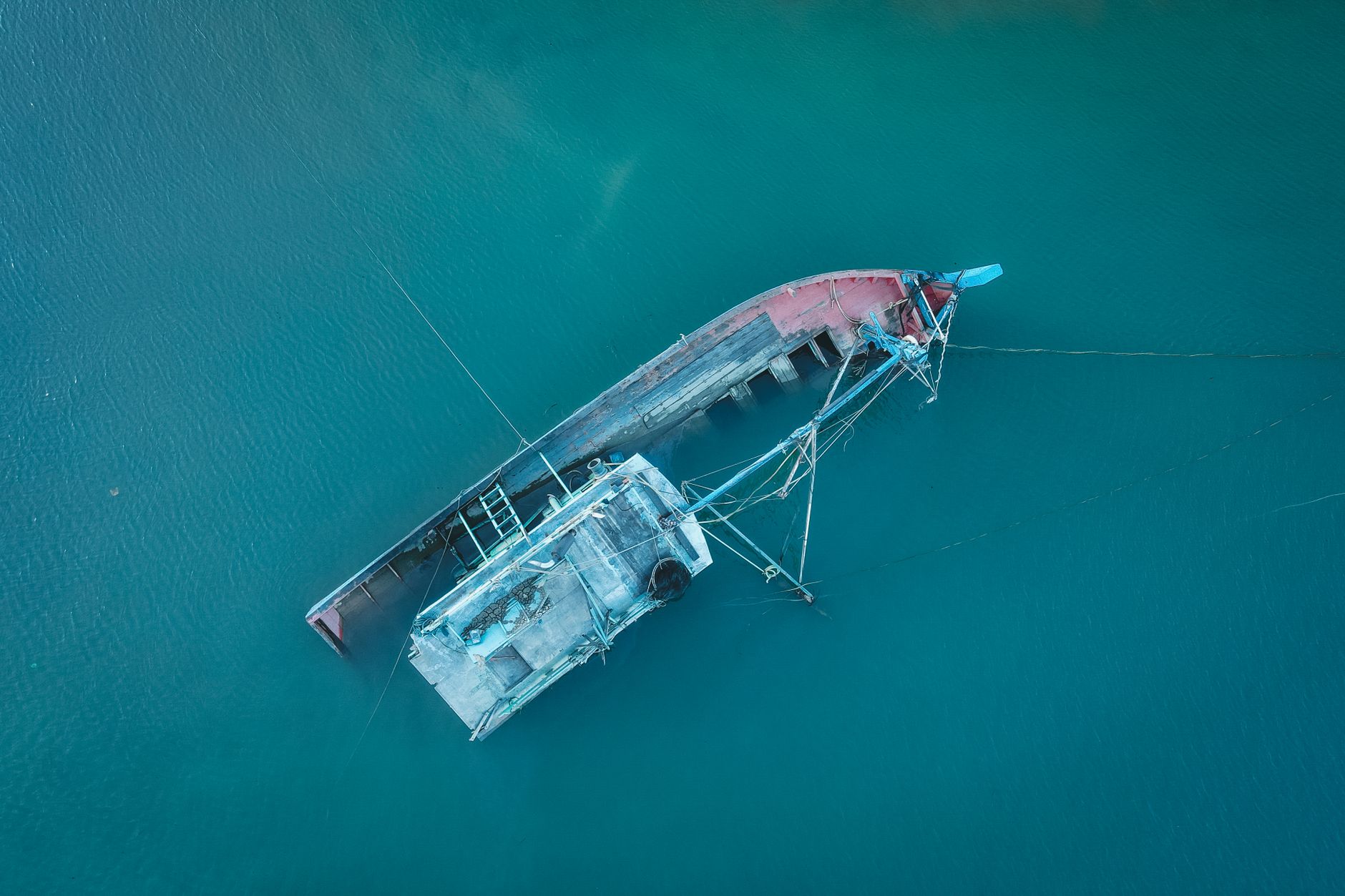
A follow-up release from the IOM lifted the confirmed dead to 139 and trimmed those still missing to 84. About 82 people had survived. Of the bodies first recovered, 52 were men and 42 were women. Fifteen were children: nine girls and six boys.
Pope spoke directly to what the numbers now showed. “We cannot keep treating these deaths as normal. Safe and legal pathways save lives. I am asking governments and donors to act before the next boat goes down.”
The IOM urged donors and partners to strengthen support for Djibouti’s response, including search and rescue operations and life-saving assistance. “Djiboutian authorities are continuing search and rescue operations as fears grow for those still missing,” the agency said.
Those operations remained on the water off Guhere, north of Obock. Eighty-four people were still unaccounted for. Families waited without news of their relatives while the work on that stretch of sea went on.