



Dubai, Makkah Mourn Prominent Royal, Religious Figures
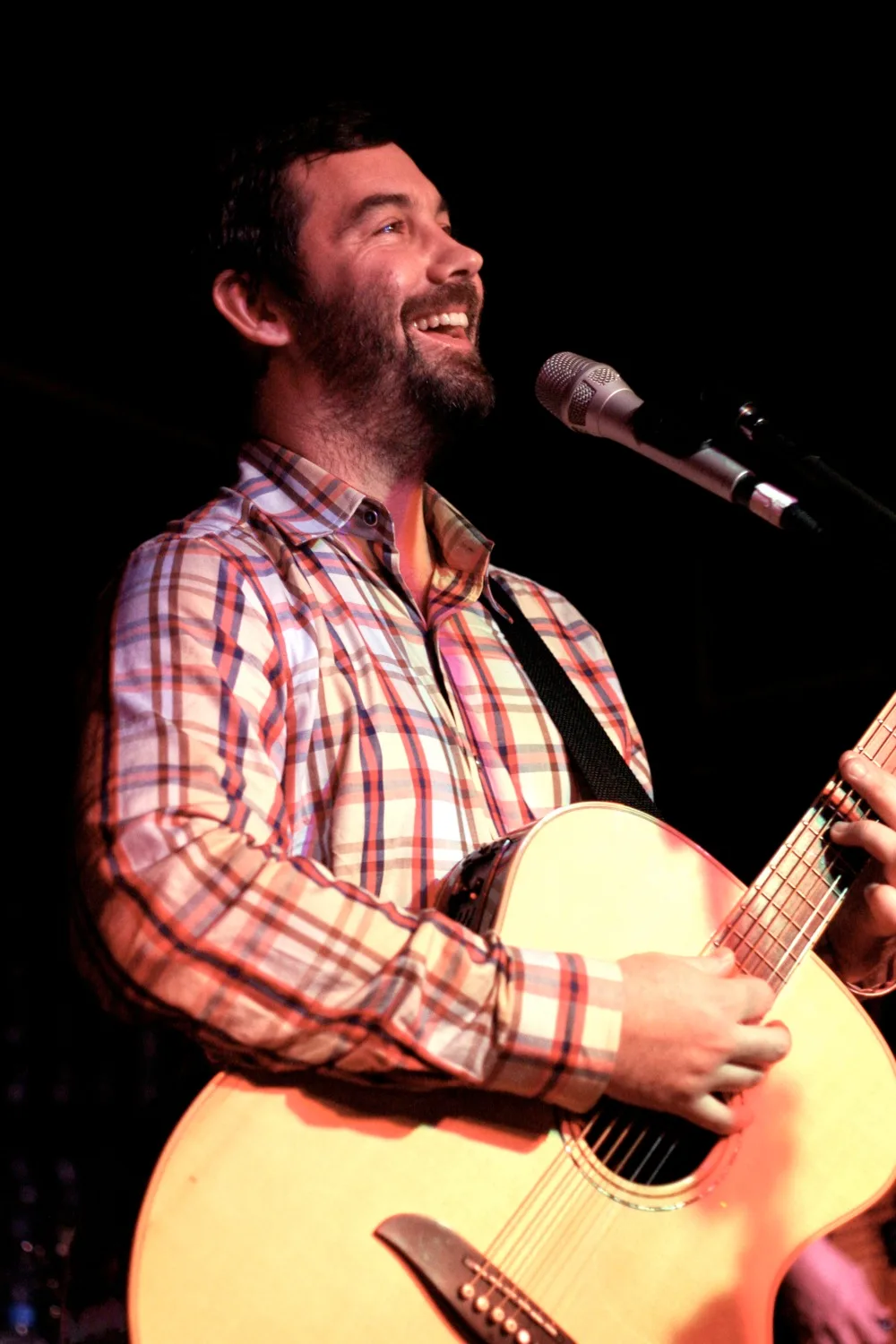
Early Monday the account Inside the Haramain put the news on X. “It is with great sadness we share the news of the death of the Muadhin of Masjid Al Haram, Sheikh Ibrahim Al-Madani.”
Ibrahim bin Adel Hamza Al-Madani had died in the early hours of Monday, September 21, 2026. He was 51. Hours earlier, on 11 Rabi Al-Awwal 1448 AH, he had delivered his final Adhan—the first Fajr call of the day—at Masjid Al-Haram. The Adhan is the Islamic summons to prayer, sounded five times daily; Fajr is the dawn call that opens the cycle before sunrise. He was one of 24 principal muezzins at Makkah’s Grand Mosque, the largest mosque in the world, the sanctuary that encloses the Kaaba and stands at the center of the Hajj and of daily prayer for Muslims everywhere.
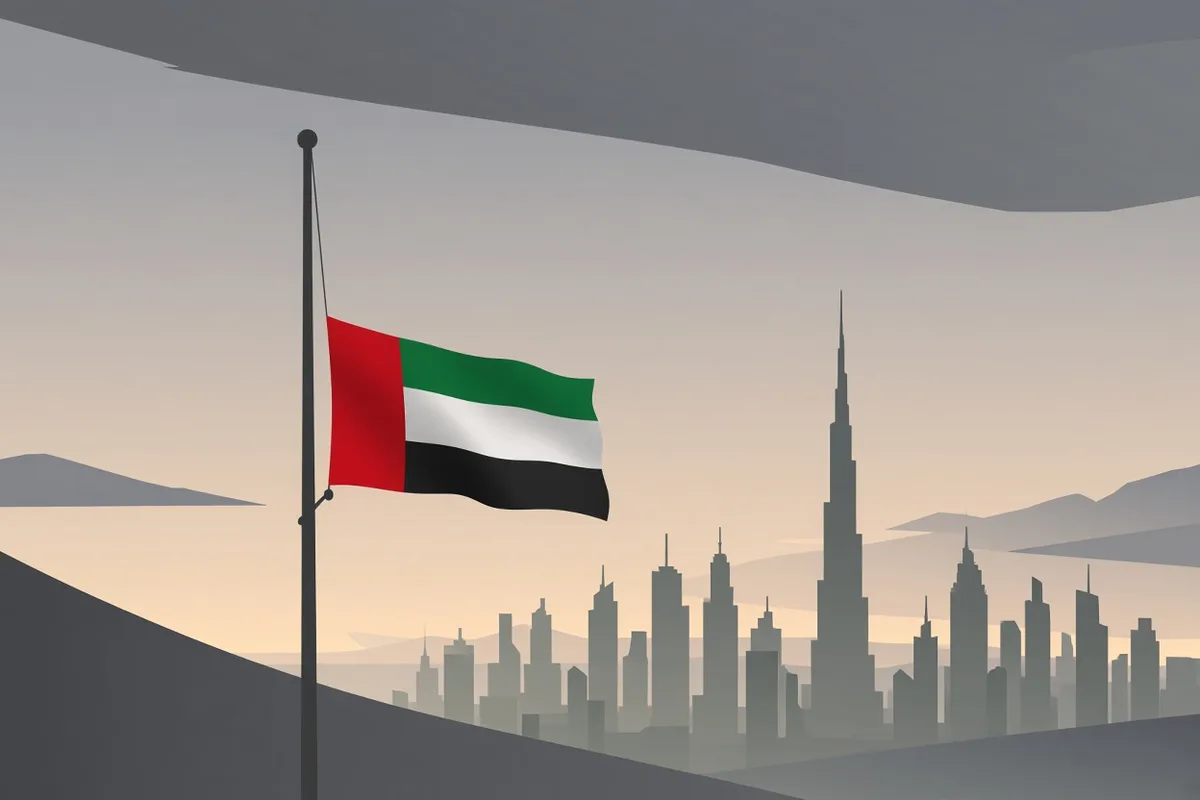
That same Monday the record turned toward a second loss. Flags dropped to half-mast across Dubai after the death of Sheikh Ahmed bin Rashid Al Maktoum. He was 76. The Dubai Ruler’s Court declared a ten-day official mourning period across the emirate and ordered the flags kept at half-mast for every one of those days. Fujairah announced a matching period of its own: ten days of official mourning, with flags lowered on the same terms.
Sheikh Ahmed was the younger brother of Sheikh Mohammed bin Rashid Al Maktoum, the ruler of Dubai and the vice president and prime minister of the United Arab Emirates. He had served as deputy chairman of Dubai Police and Public Security, held the office of second deputy ruler of Dubai, chaired A.R.M. Holding and Al Wasl Sports Club, and earlier commanded the Central Military Zone. Condolences were already being addressed to Sheikh Mohammed bin Rashid Al Maktoum.

King Salman bin Abdulaziz and Crown Prince and Prime Minister Mohammed bin Salman each sent separate condolence cables. In the Crown Prince’s cable the first passage ran in full: “We received the news of the passing of your brother, Sheikh Ahmed bin Rashid Al Maktoum, may God have mercy on him, and we extend to Your Highness and to the family of the deceased our deepest condolences and sincere sympathy.” The second passage followed at once. “We ask Almighty God to have mercy on him, forgive him, grant him a place in Paradise, and protect you from all harm. Indeed, He is the All-Hearing, the Responsive.”
Narendra Modi posted a tribute of his own. “I am deeply saddened by the passing of Sheikh Ahmed bin Rashid Al Maktoum. His efforts in serving the community will be appreciated by future generations.” President Ahmad al-Sharaa placed both of his lines on X. “I extend my heartfelt condolences and sincere sympathy to His Highness Sheikh Mohammed bin Rashid Al Maktoum, Vice President and Prime Minister of the United Arab Emirates and Ruler of Dubai, on the death of his brother, the late Sheikh Ahmed bin Rashid Al Maktoum.” He added the closing prayer: “I pray that Allah grants the deceased His vast mercy and grants the honorable Al Maktoum family and the brotherly Emirati people patience and solace.” Ishaq Dar posted sorrow on behalf of Pakistan’s government and people.
Al-Madani had been born in Madinah in 1397 AH, corresponding to 1976. At about fifteen he began calling the Adhan at a neighbourhood mosque there, serving alongside three other local muezzins on a rotational basis until he finished college. Teaching engagements outside the city later required him to set the role aside for a period of years. In 1428 AH, covering 2007 and 2008, he was invited to call the Adhan at Masjid Al-Maddah. He accepted and remained there for the decade that followed. The formal appointment to Masjid Al-Haram came in 1439 AH, corresponding to 2017 and 2018. years separated the first call of his youth from the day he joined the muezzins of the Haram.
Users circulated reposts of his dawn calls and of the Eid takbeers he had delivered. On the Ashraqat podcast he had left one sentence. “Who am I that my voice should rise in this pure place?”
The funeral prayer for Al-Madani was scheduled to follow the Asr prayer at Masjid Al-Haram on Monday. Asr is the afternoon prayer, the third of the five daily obligatory prayers. Burial would follow at Al-Mu’alla Cemetery.