




Canada Tariffs Take Effect Sept 8, Widened Context
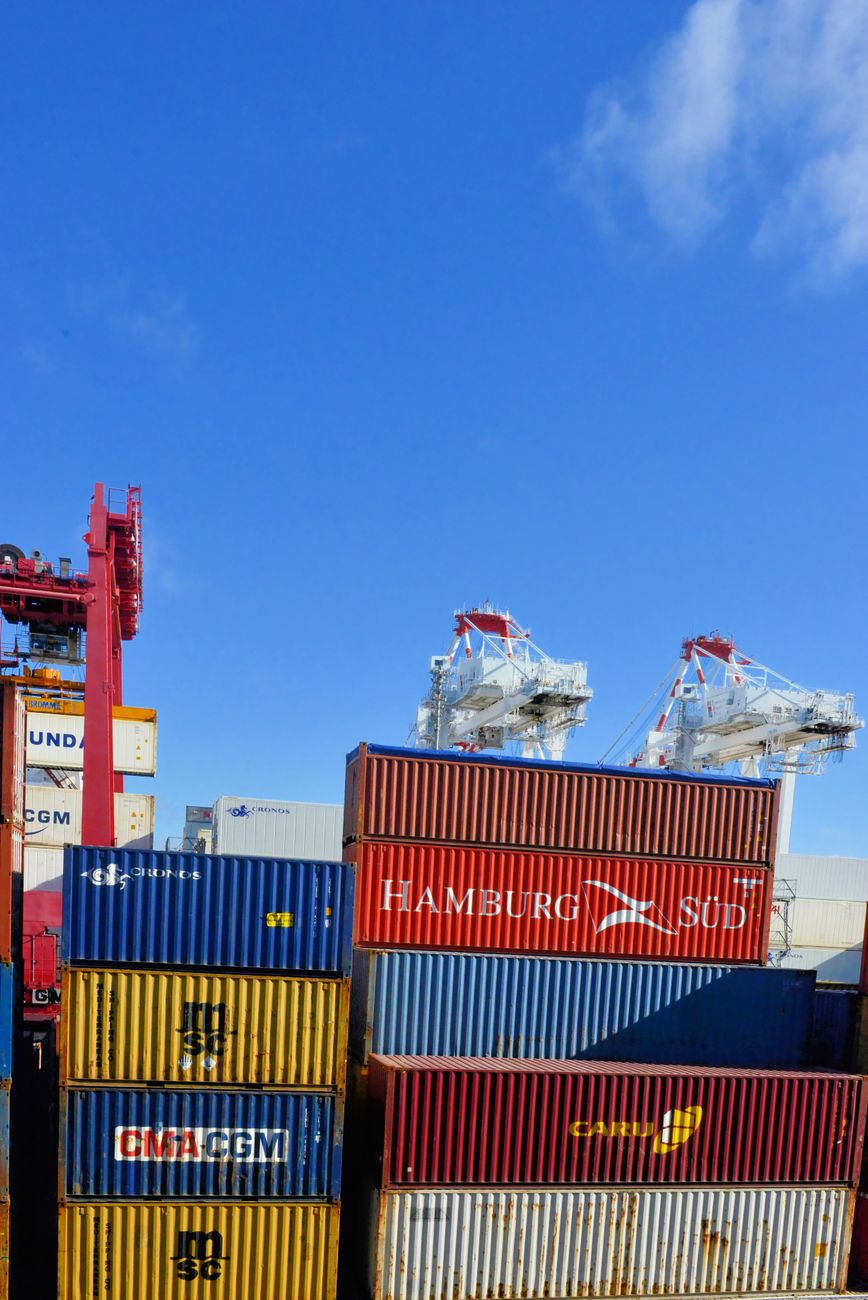
Canada has announced retaliatory tariffs of 15%, 25%, and 50% on about CAD$27.6 billion of U.S. imports, matching Washington’s tariffs and signaling a deepening cross-border trade conflict that followed failed renewal talks on USMCA. The measures come after Trump invoked Section 338 to widen duties beyond steel, targeting products including motor vehicles, dairy, and alcoholic beverages, and Canada pledged to match these new levies on most items. Canadian officials say the tariffs are aimed at pressuring the United States by affecting states that are politically pivotal, with economists highlighting potential heavy hits to midwestern and northeastern states and to industries like dairy, automotive, and steel. The tariff war is already spreading uncertainty through supply chains and prompting Canadian and U.S. producers to reconsider sourcing, with businesses in Ottawa and across Canada adjusting to higher costs and potential shifts in demand. The broader context sees Trump’s tariff strategy demanding a wide array of justifications—ranging from trade deficits to national security, immigration, and even domestic policies of U.S. allies—resulting in a volatile and unpredictable policy environment that affects households and manufacturers alike, including potential price pressures on everyday goods such as paper products.
Where do you stand?