




Young people urged to follow Blessed Frédéric Ozanam’s example
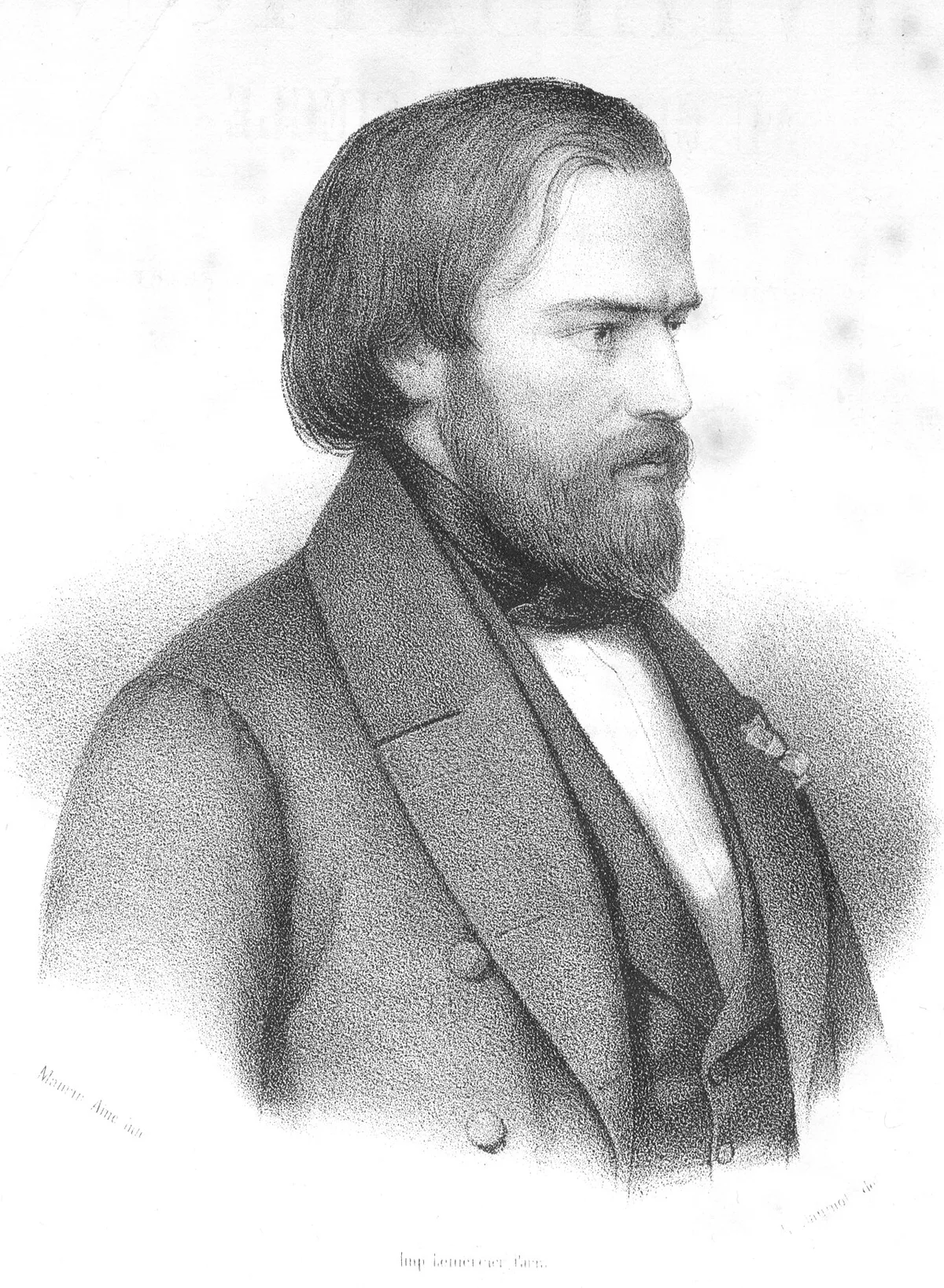
St. John Paul II stood before the crowd gathered in Paris for World Youth Day in 1997 and presented the newly beatified Frédéric Ozanam as a model worth following. The ceremony took place in the city where Ozanam had once studied and taught, and the pope returned again and again in his homily to the young man's life as a university student who stayed faithful while searching for answers. Ozanam entered the lecture halls of Lyon and later the Sorbonne in Paris at a time when many of his peers questioned the faith they had received at home. He kept studying, earned degrees, and eventually became a professor himself, first in Lyon and then at the Sorbonne. Through those years he continued to look for what was true and to share what he found. When others challenged his beliefs, Ozanam answered without turning bitter. He wrote that people should learn to defend their convictions without hating those who disagree, and he practiced that approach in debates and in print. St. John Paul II repeated the line during the beatification Mass to show how charity could remain intact even in argument. Ozanam also looked for fresh ways to pass on the faith to students of his own day. He helped begin a series of Lenten talks at Notre-Dame Cathedral in Paris that gave young listeners clear explanations of the questions they faced. The talks were meant to speak directly to university life rather than repeat old formulas. Alongside his teaching and writing, Ozanam married and raised a family while remaining active in works of service. He saw lay Catholics as the ones who could reach the places where society was most broken, and he spent his energy on both study and direct help to those in need. St. John Paul II described Ozanam as an apostle of charity, an exemplary husband and father, and a leading Catholic layman of the nineteenth century. The pope told the students and professors listening that Ozanam still offered them a pattern of steady commitment to truth and to the dignity of every person. The beatification placed Ozanam's name before a new generation of young Catholics. Decades later his example continues to be cited whenever the Church speaks to university communities about holding faith and reason together without losing either one.