




They’re resilient, low-effort and beautiful: how to plant a rubble garden
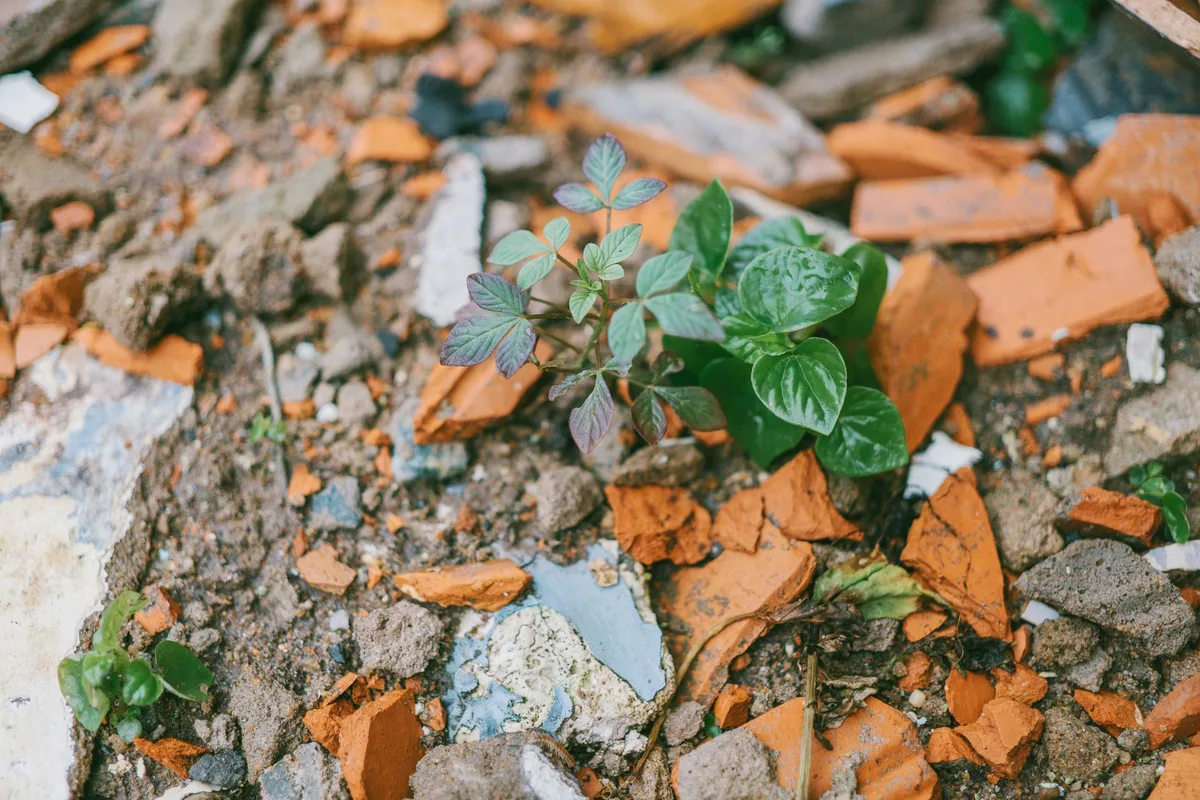
A 92-year-old visitor at the Horniman Museum and Gardens stopped to ask when the team would remove the large heap of concrete that sat along the entrance path. Errol Reuben Fernandes, head of horticulture there, explained that the material would stay on purpose. The London site sits beside a busy road where buses pass constantly and the original 1901 building draws many eyes. Fernandes had replaced a monoculture of agapanthus on one side and bamboo and phormium on the other with 25 tonnes of waste concrete aggregate left from a path project. The new plantings came from Mediterranean regions as well as Peru, Chile, Bolivia and Mexico. These xerophytes handle hot summers and cold winters with little water. The change created more flowers across seasons and space for insects. Nathan Apperley, head gardener at Yeo Valley Organic in Blagdon, Somerset, saw similar problems on new housing estates. Builders often spread thin topsoil over compacted subsoil and laid turf fence to fence. The lawns failed quickly and left residents discouraged. Apperley and his team began their own rubble garden using crushed building materials to test another approach. Peter Korn in Malmö and John Little in Essex had already worked with sand and brownfield sites. Beth Chatto and Derry Watkins tried gravel gardens in the 1990s. The current experiments build on those earlier efforts and focus on plants that need little care once established. Elizabeth Waddington, a permaculture designer in Scotland, watched waste from barn renovations sit in a front pile. Native wildflowers moved in on their own and produced fewer weeds than nearby composted beds. The result looked like a hedgerow bank or meadow without any added planting. Through the dry period last year the Horniman and Yeo Valley plantings held up well. The rubble beds drew bees, beetles and spiders that formed small food webs. Apperley and Fernandes plan to discuss the method at the Yeo Valley Organic Garden Festival in September. The gardens still require some initial work such as planting with pickaxes, yet they use material that would otherwise go to landfill and reduce the need for imported soil or frequent watering.