



Suncor sells offshore stakes to Ithaca Energy for C$1.2B upfront
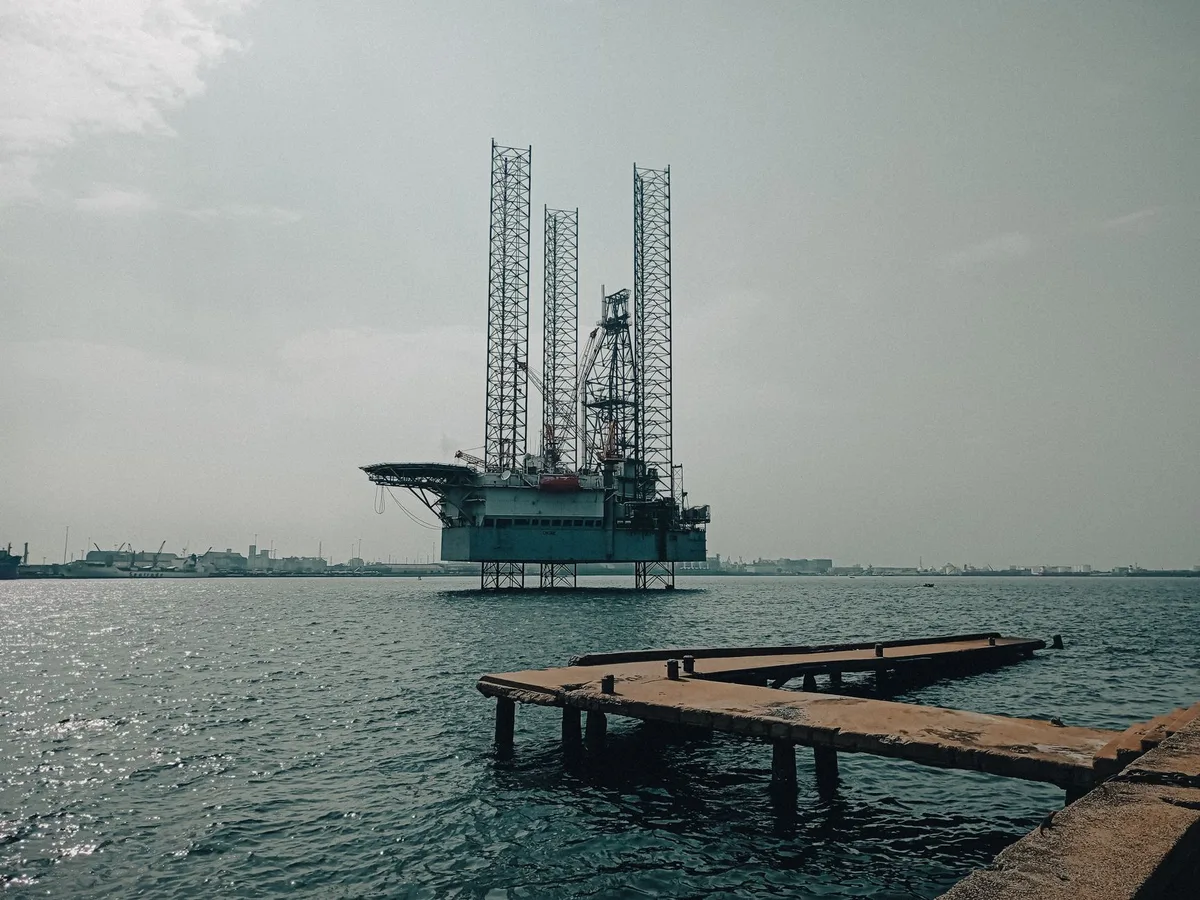
Suncor Energy announced on Sunday, October 4, 2026, a definitive agreement to sell three East Coast offshore interests to London-based Ithaca Energy for C$1.2 billion—US$860 million—in upfront cash. Rich Kruger put the purpose of the deal in one sentence. “This transaction further focuses our efforts on opportunities that generate the greatest long-term shareholder value,” the chief executive said.
The interests were a 48 percent stake in Terra Nova, a 40 percent stake in White Rose and a 38.6 percent interest in West White Rose—three holdings that had kept Suncor active off Newfoundland for decades. Suncor would retain its interests in Hebron and Hibernia. A contingent payment of up to C$350 million, or US$250 million, sat on top of the upfront sum, structured on a 50 percent oil-price sharing factor. The buyer would also take on the investment commitments and future liabilities attached to the three interests: a C$500 million regulatory well-compliance program at Terra Nova beginning in 2027, and approximately C$1.4 billion in abandonment and lease liabilities. The cash came to Suncor. The obligations traveled with the stakes.
What the company intended to do with the capital and attention freed by the sale was already spelled out in how Kruger described the portfolio he meant to keep. “We are aligning our portfolio around our competitive advantages and the strengths of our unparalleled, physically-integrated business, underpinned by large-scale, long-life oil sands resources,” Kruger said.
Suncor was a Calgary-based integrated energy company that specialized in synthetic crude from the oil sands of Alberta and ran refineries feeding Canada’s largest retail fuel network under the Petro-Canada brand, which it took on after acquiring the former Crown corporation in 2009. The chain from bitumen mining and upgrading through the refinery to the pump was the physically integrated business he meant. Decades of East Coast offshore activity were giving way to a tighter sands-and-downstream shape built around those long-life resources. At the same time the company raised the ceiling on its normal-course issuer bid—the Canadian program that lets a listed firm repurchase its own shares on the open market—from C$500 million to C$750 million per month beginning in October 2026.
“Our Investor Day commitments to grow normalized free funds flow and reduce WTI breakeven remain unchanged, reflecting the strength of our integrated asset base and confidence in our ability to deliver,” Kruger said.
For the buyer, the same numbers marked a first crossing of its own. Yaniv Friedman, executive chairman of Ithaca Energy, described the purchase as the company’s first move beyond the basin that had defined it. Ithaca was a British oil and gas company headquartered in Aberdeen, Scotland, listed on the London Stock Exchange and a constituent of the FTSE 100. Originally founded in Canada in 2004, it had shifted its focus to the North Sea, grown through acquisitions and organic development, and become one of the largest independent operators on the United Kingdom Continental Shelf. Its own announcement, released as the agreement became public, cast the Canadian stakes as its inaugural international acquisition and its strategic entry into Offshore East Coast Canada.
“This acquisition marks the next era of growth for Ithaca Energy as we make our inaugural international acquisition in Offshore East Coast Canada. The Transaction delivers on our clear stated growth strategy as we seek to diversify and grow our production and resource base and replicate our success in the United Kingdom Continental Shelf ("UKCS") through disciplined international expansion in regions we believe we can create long-term value for our shareholders,” Friedman said.
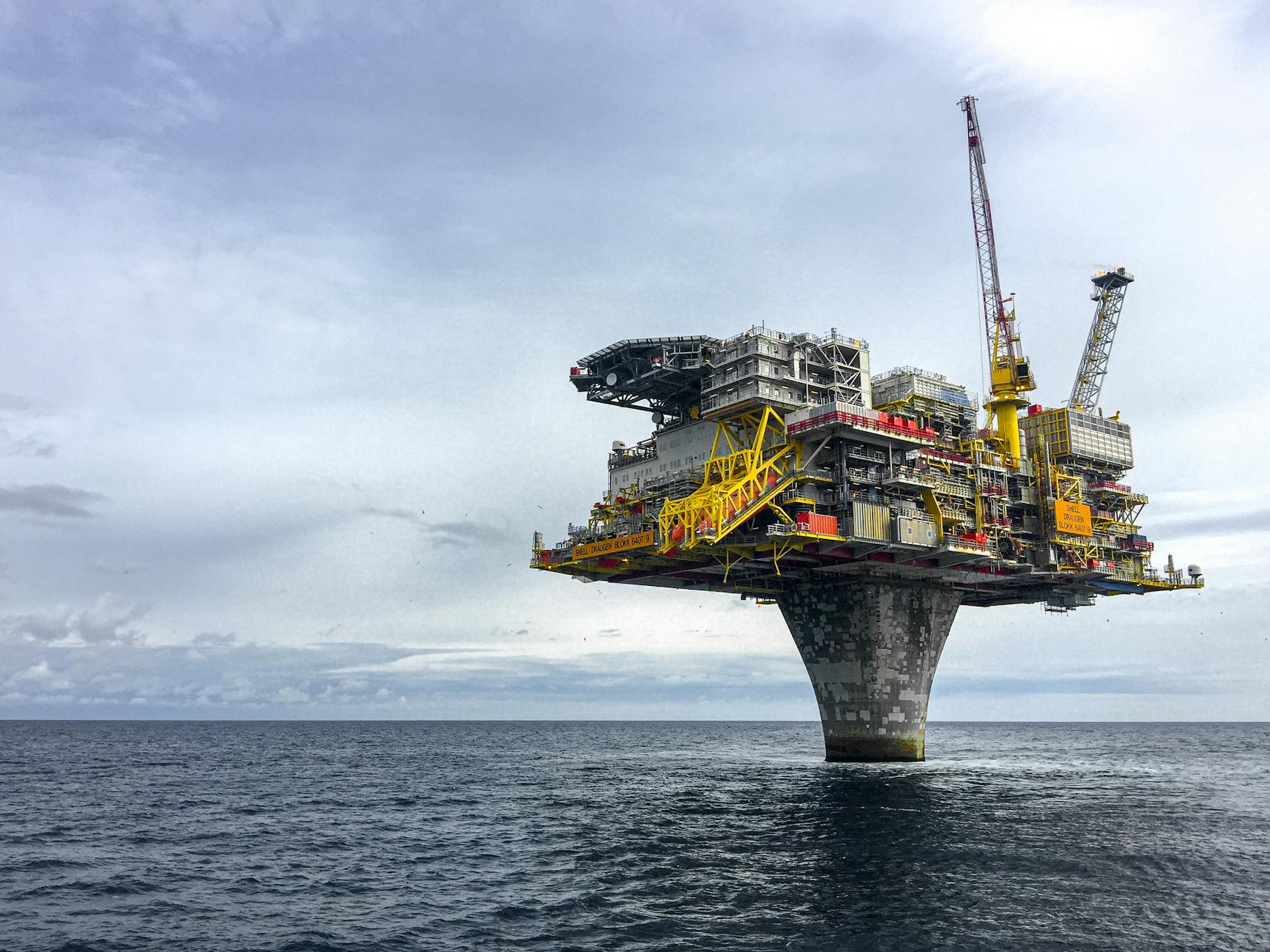
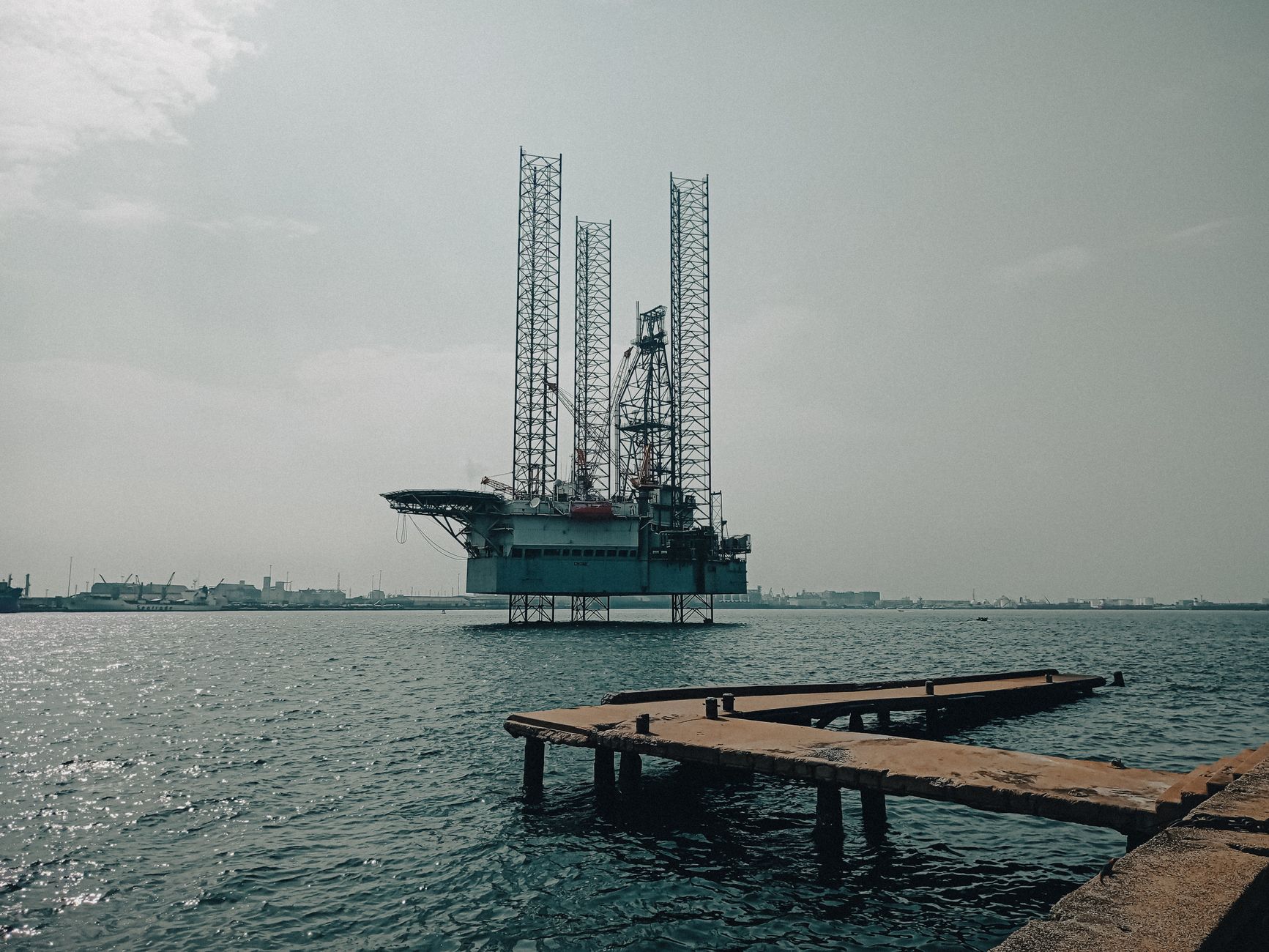
Ithaca intended to assume operatorship of Terra Nova. The field was a producing shallow-water oil asset backed by a recently completed floating production storage and offloading vessel life-extension project. White Rose would remain under the operatorship of Cenovus Energy Inc. First production from the West White Rose Extension was anticipated in the fourth quarter of 2026, the near-term growth already scheduled into the package Friedman’s company was buying.
Friedman set out what the package would put into Ithaca’s books. “The Transaction builds on our vision for 'Scale, Stability and Strength'. It adds long-life, low-decline barrels in an offshore operating environment similar to the UKCS, which will materially enhance our medium-term production outlook and create a platform for further organic growth and consolidation, while expected to deliver immediate cash flow and dividend accretion,” he said.
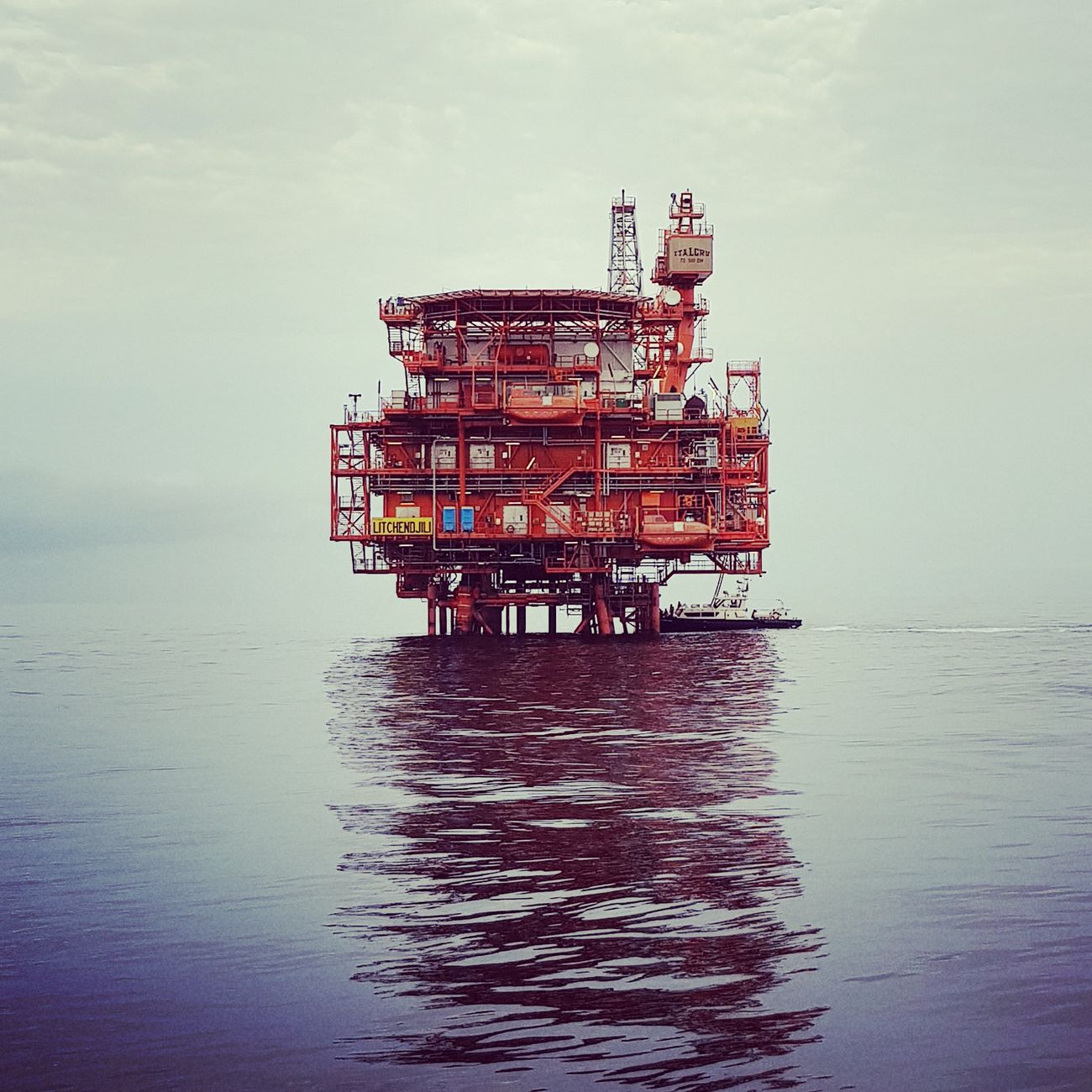
The three interests were expected to contribute incremental average 2P production of roughly 30 thousand barrels of oil equivalent per day between 2027 and 2031, with a peak of 35 to 40 thousand barrels of oil equivalent per day in 2029. 2P reserves are the proved-plus-probable volumes a company judges recoverable under current development plans; barrels of oil equivalent convert gas and liquids into a single oil-unit measure so mixed streams can be compared. The deal added 2P reserves of 103 million barrels of oil equivalent at roughly US$8 per barrel. A further approximately 200 million barrels of oil equivalent in resources remained as organic upside beyond those booked reserves.
The agreement set an effective date of July 1, 2026. From that day the production and the cash it generated from the three interests would run for Ithaca’s account, even though legal title would not yet have moved. Closing was expected in early 2027, subject to regulatory approvals and to the consents of the partners already in the fields. Those clearances stood between the announcement and the day Ithaca could take operatorship of Terra Nova. The company had secured access, through the purchase, to an established operating team already working the East Coast assets—one it described as carrying deep regional expertise and a long record on the fields themselves.
“We are excited to welcome an experienced operating team with deep regional expertise and to build on the strong operating history of these assets,” Friedman said.