



Review Finds Drought Raises Some Diseases While Cutting Others
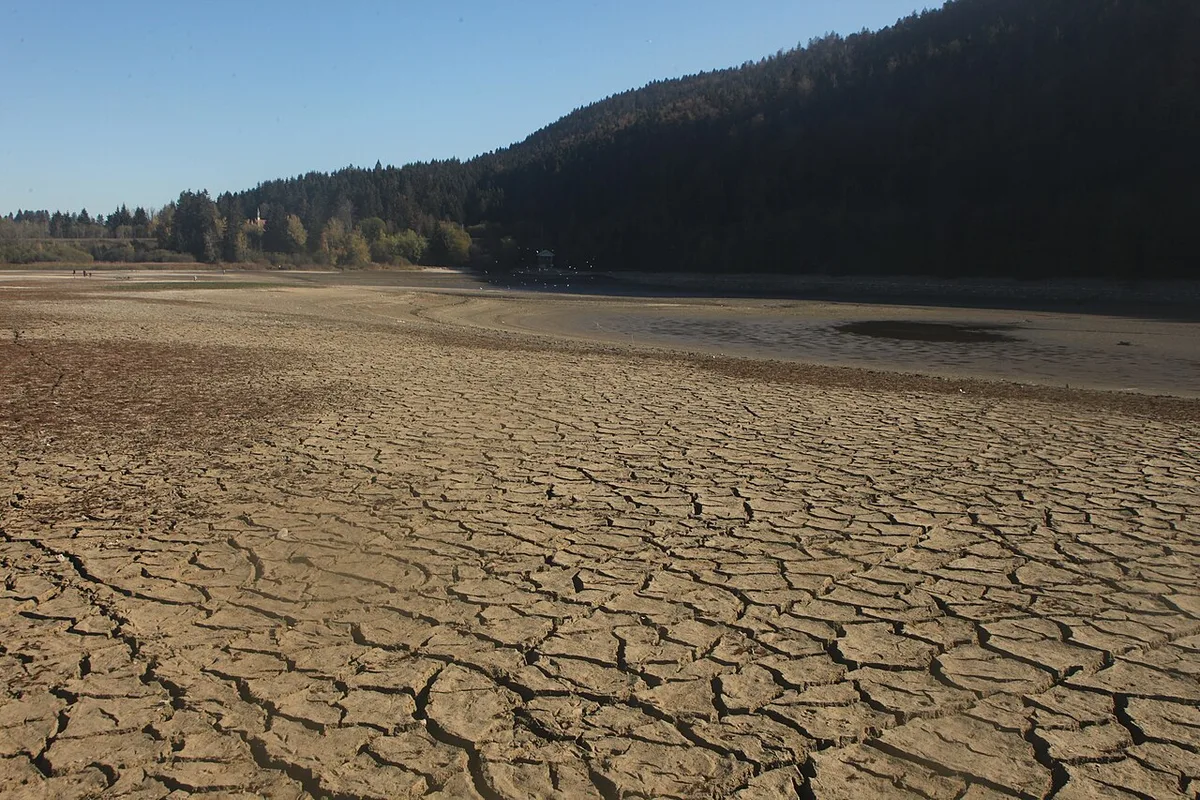
A review of nearly 100 scientific studies published in August in Trends in Ecology and Evolution finds drought can raise some diseases while cutting others, a pattern called the drought-disease paradox. Cholera, West Nile virus and dengue can increase; schistosomiasis and malaria can decrease. Coauthors Tara Stewart Merrill, an aquatic disease ecologist at the Cary Institute of Ecosystem Studies, and Pieter Johnson, a professor at the University of Colorado Boulder, took up the question after more than half their California pond study sites dried up. Stewart Merrill said the finding is counterintuitive and that some water-borne diseases thrive when there is less water. A United Nations report finds 77 percent of the world is drier than three decades ago. California droughts in the 2000s led to thousands of excess valley fever cases, and the 2014 superdrought contributed to the state's second-highest West Nile virus cases. Somalia's 2017 drought led to nearly 80,000 cholera cases and more than a thousand deaths. Georgia Titcomb said changes in how water is distributed alter animal movements to reach it, removing some transmission chances and creating others, including when animals crowd shrinking African savannah watering holes and face higher parasite exposure from dung. No left-right coverage split was found.
Where do you stand?