




Wes Huff discusses 2,000 years of evidence for Bible at Sing Conference
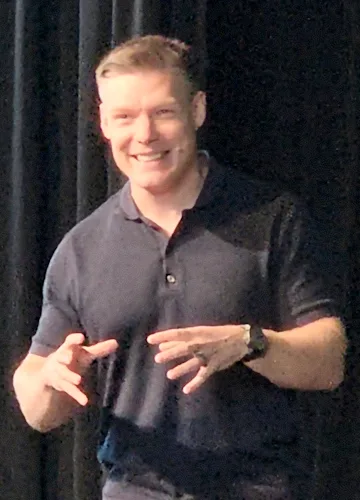
Wes Huff stood inside a set of prison cells in Belgium built from stones taken from the castle where William Tyndale spent his final months. Those cells formed part of a talk Huff gave on September 7, 2026, at the Sing! Conference held at the Gaylord Opryland Resort and Convention Center in Nashville. The annual gathering, led by Keith and Kristyn Getty, carried the theme Symphony of Scripture to mark five hundred years since Tyndale produced his English New Testament. Huff organized his remarks around the acronym TRUST to trace how the biblical text moved from its first authors to present-day readers. He pointed to Papyrus 66, a nearly complete copy of the Gospel of John from the late second or early third century, as one example among thousands of surviving manuscripts that let modern readers compare their copies with texts used by Christians nearly two thousand years ago. Handwritten manuscripts contain variants, Huff noted, yet the large number of copies spread across regions allows scholars to locate and assess those differences. He described transmission as remarkably recoverable rather than perfect, because the distributed network of manuscripts, quotations, and early translations prevented any single line of custody from controlling the record. Earlier the same day John Piper recounted Tyndale's flight from England in 1524, his arrest, and his execution in 1536 after sixteen months in prison. Huff returned to that account when he described Tyndale's reported final prayer that the king of England would open his eyes to Scripture. Less than two years later an English Bible was placed in every parish church. Before the main address Keith Getty asked Huff about Scripture's place in a culture shaped by artificial intelligence and shifting views of truth. Huff replied that the Word of God supplies clarity where confusion exists and urged believers to enter conversations without feeling they must answer every objection first. The three-day conference continued with additional speakers including Sinclair Ferguson, John Lennox, Malcolm Guite, and Os Guinness, each exploring Scripture's role in worship, theology, and culture. Huff closed by noting that the Bible survived history by leaving evidence along the way and encouraged those present to read the text they can trust.