




NASA Orbiter Discovers Moon’s Largest Newly Formed Crater
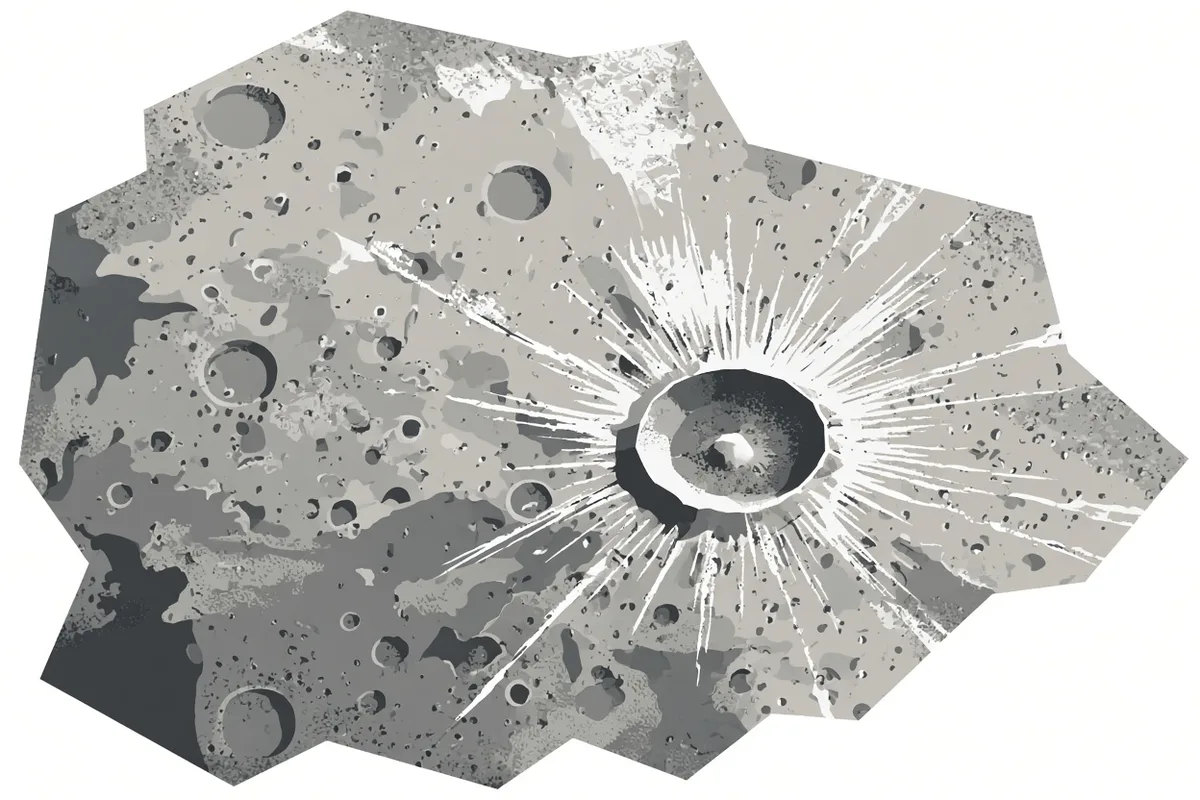
Robert Wagner spotted an unusual bright spot with a dark ring on a global lunar map during routine LRO data-quality checks. Before-and-after images showed McGetchin crater, about 728 feet (222 meters) wide and up to 141 feet (43 meters) deep, on the Moon's near side. The impact fell between April 11 and May 22, 2024. LRO imaged it in May 2024, yet the discovery stayed buried until August 2025; fall 2025 detail shots brought confirmation in early 2026. It is three times larger than the prior LRO recent-impact record-holder and named for Thomas McGetchin. Scientists writing in Science Advances called the event a statistically rare, effectively once-in-a-lifetime observation, estimated once every 132 years. Ejecta disturbed terrain across more than 66 miles. Diviner recorded a cold region roughly 4 miles wide, about 9 degrees colder at night. David Paige said impacts garden the regolith, churning sediments and lifting buried material. Mark Robinson said Apollo footprints will definitely be long gone in the 80,000-year overturn window, and that the data will help engineers harden structures so one will not have to worry about damage, or maybe worry less. What is contested: none found.
Where do you stand?


