




On her birthday, Mary shows her triumph in Malta
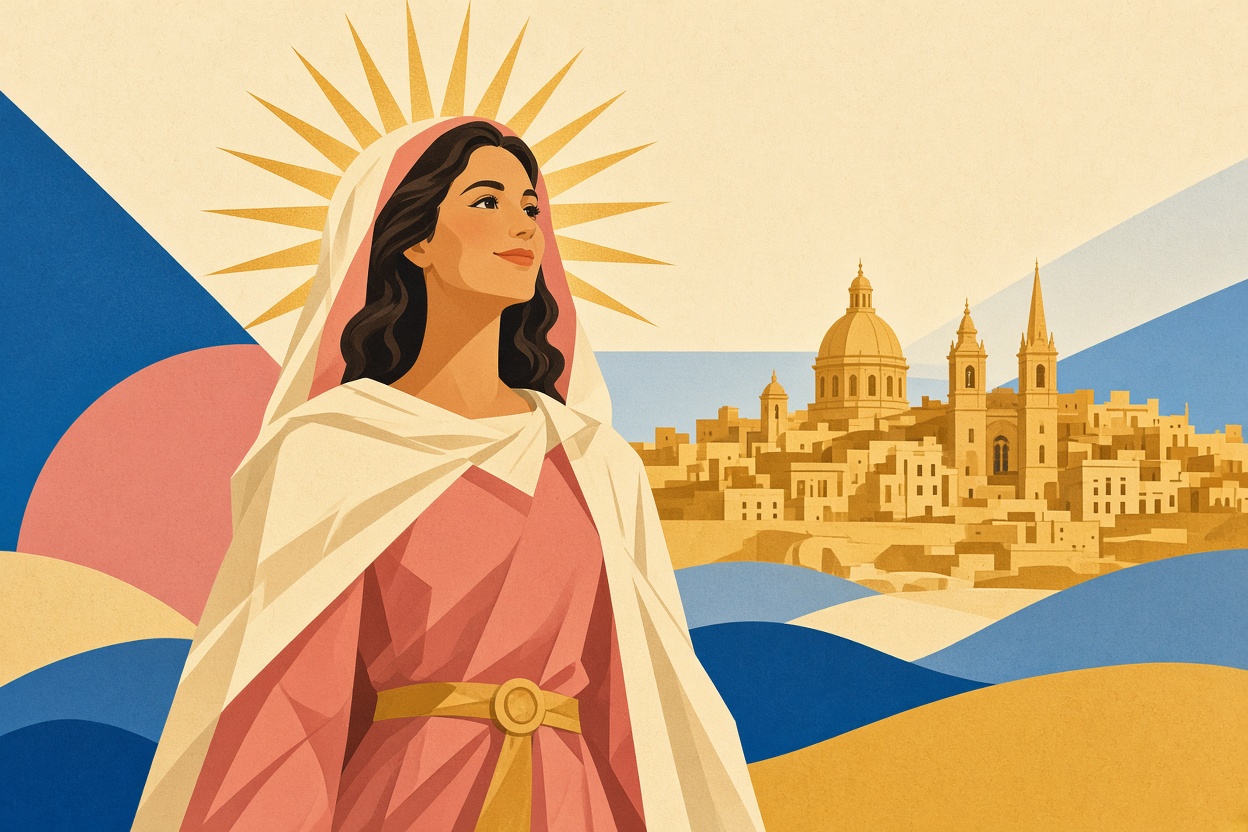
Grand Master Jean Parisot de la Valette prayed before the twelfth-century Damaskinì icon of Our Lady of Damascus during the four-month Ottoman assault that began in May 1565. The icon had reached Malta in 1530 with refugees from Rhodes. De la Valette placed his hat and sword on the altar steps after the siege lifted. The attackers withdrew on September 8, the feast of the Nativity of the Blessed Virgin Mary. Maltese defenders and the Knights of Saint John had faced more than 30,000 Ottoman troops and over 200 ships. Birgu was later renamed Città Vittoriosa in memory of the outcome, and Senglea received the title Invicta. Maltese Christian practice reaches back to the shipwreck of Paul and Luke in AD 60. Luke, author of the most Marian Gospel, is credited by tradition with bringing early devotion to Mary. By AD 553 the island had a bishop, and sites such as Tas-Silġ were converted into basilicas dedicated to the Theotokos after the Edict of Milan. The National Marian Shrine at Mellieħa centers on a cave church with a Hodegetria fresco. A 1436 document records a parish already there, and Pope John Paul II prayed at the shrine during his 1990 visit. Byzantine influence from the fourth to eighth centuries strengthened the feast of the Nativity of Mary across the islands. After the 1565 victory the parish church of Senglea was built in honor of the Nativity. It was raised to a Marian sanctuary in 1921 when the bishop crowned its titular statue. In 1718 the statue was carried in procession during drought, and rain followed. In 1813 the chapter vowed further processions if plague spared the town. Today more than 200 of Malta’s 359 churches are dedicated to Mary. Summer festas still feature processions through the streets of towns such as Senglea and Birgu. The Damaskinì icon remains venerated in its Greek-rite church in Valletta, and la Valette’s hat and sword are kept nearby.