


India Retail Inflation Rises to 5.54% in September
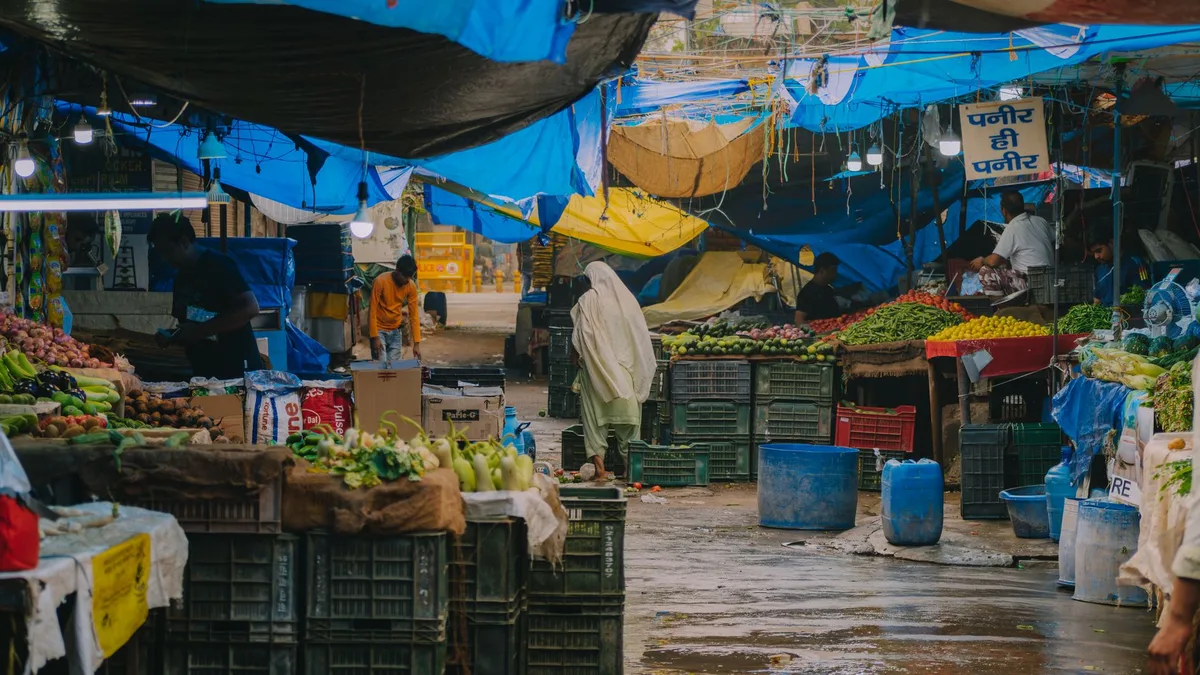
Onion inflation surged to 108.09 percent from 48.78 percent. That one staple more than doubled year on year.
The tables released with September’s provisional figures held that spike among the others. At 4:00 p.m. on October 12, 2026, the National Statistics Office at the Ministry of Statistics and Programme Implementation lifted the embargo. The provisional Consumer Price Index put headline retail inflation at 5.54 percent.

August had closed at 4.83 percent. The September rate sat above the 5.40 percent forecast in a Reuters poll and just under the 5.6 percent CNBC-TV18 estimate. From 4.83 to 5.54, one monthly print had carried the year-on-year cost of the household basket more than half a point higher.
Retail inflation is the year-on-year change in the consumer price index, the statistical estimate of prices paid by households for a fixed basket of goods and services. The basket is weighted by spending shares—food, fuel, clothing, housing, transport and the rest of ordinary life—so a jump in the headline rate means the broad cost of living has moved, not just one corner of it.
Five days earlier Sanjay Malhotra had put the Monetary Policy Committee’s October 7, 2026 decision on the record. The Reserve Bank of India governor raised the repo rate by twenty-five basis points. The repo is the interest the central bank charges commercial banks for short-term funds, and the quarter-point lift was the turn. Inflation, Malhotra said, was becoming more widespread across the consumer basket. Price pressure was no longer sitting in a few categories; it was showing up more broadly in what households buy. Under “current conditions,” the bank made plain, further cuts were “off the table in the near term.” Hike or pause were the options left. The same day’s forecasts were already forming around the line he had just drawn.

HSBC’s report of October 7 expected the Reserve Bank of India to raise rates again in December. The analysts gave the cycle its plainest description. “This may not be a deep tightening cycle, but a tightening cycle it is.” They had already fixed on the reading that would test the call. September’s retail inflation figures, they wrote, were likely to produce a “sizeable headline pop”—a climb hard enough from the month before to keep December’s decision under pressure from the start. Until the embargo lifted, the pop remained forecast, not fact.
Sujan Hajra, chief economist and executive director at Anand Rathi Group, put the drivers in a single line. “The 71-basis-point rise was driven by higher food prices, particularly vegetables, alongside higher energy costs and an unfavourable base effect.”
The Consumer Food Price Index, the gauge that tracks only what households spend on food, climbed to 7.74 percent from 5.97 percent in August. Garlic inflation rose to 54.62 percent from 43.60 percent. Lemon moved to 36.41 percent from 15.15 percent. Ginger held at 62.85 percent, still high though off August’s 73.82 percent.
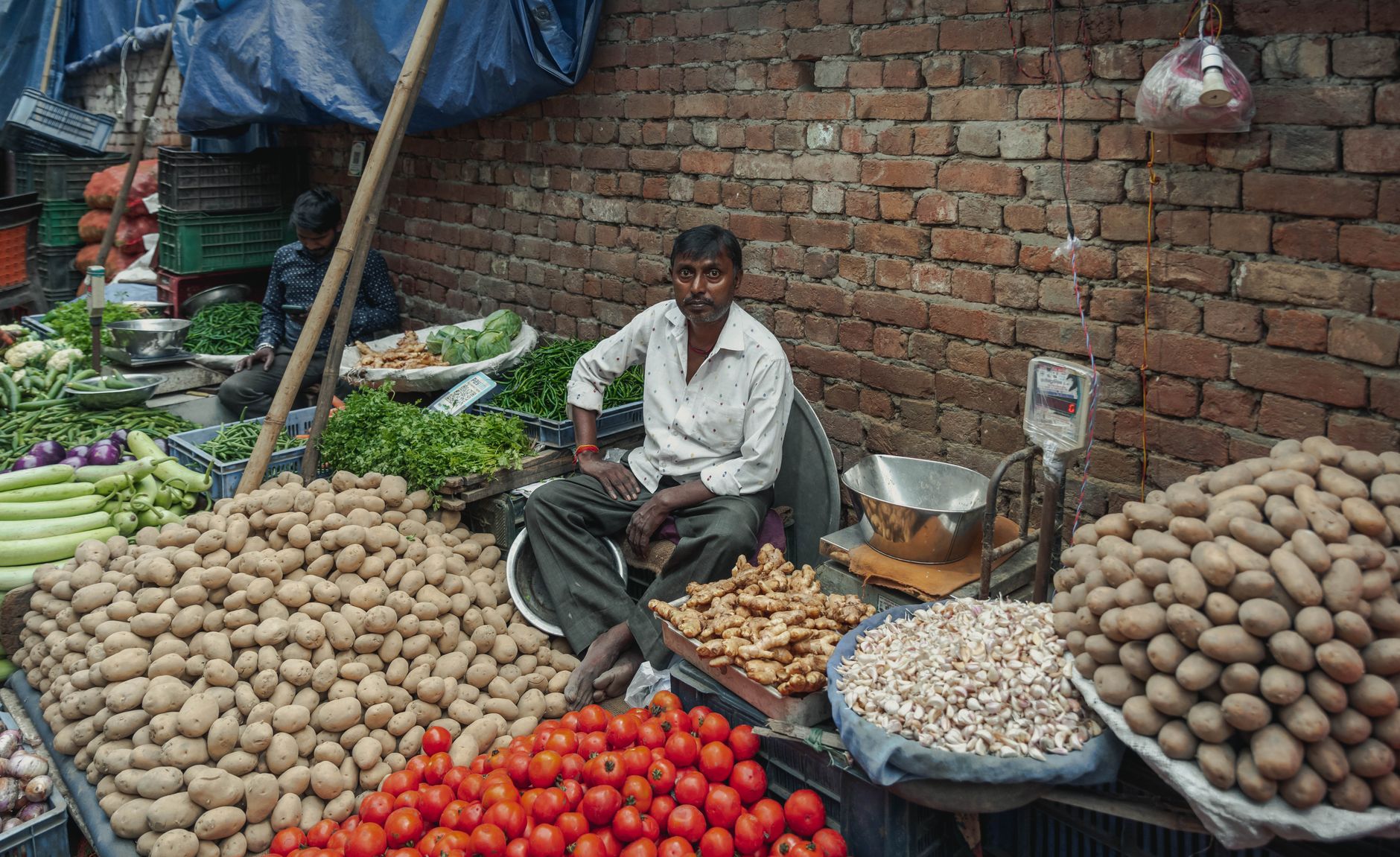
The same tables showed the load did not fall evenly between village and city. Rural inflation rose to 6.08 percent in September from 5.24 percent in August. Urban inflation rose to 4.88 percent from 4.31 percent. The rural-urban gap widened to 1.20 percentage points from 0.93. Rural food inflation reached 8.06 percent. Urban food inflation stood at 7.18 percent.
Not every line moved the same way. Potato prices fell 11.50 percent year on year. Tomato prices fell 8.62 percent. Silver jewellery inflation remained elevated at 87.80 percent, down from 106.81 percent in August. Those counterweights belonged to the same consumer basket and left the split intact.
The next fixed point on the calendar was the Reserve Bank of India’s December meeting, the sitting HSBC had already flagged for another possible rate increase while September’s figures were still under embargo. The weeks before that meeting belong to the data clock. Each month the National Statistics Office compiles the consumer price index from the prices households pay across the weighted basket and releases a provisional year-on-year reading on a fixed date. Those successive prints arrive whether or not a policy session is near, and each one joins the evidence the committee will carry when it next chooses between a hike and a pause. October’s reading is already marked. The provisional Consumer Price Index for October 2026 is due on November 12, 2026, or the next working day if the twelfth falls on a holiday.