


Moonshot Eyes Hong Kong IPO at $50B Valuation
Fifty billion dollars. Moonshot AI completed its final private funding round at that valuation, a sum of about €44.6 billion. The figure rose from the $31.5 billion, or €28.1 billion, the Beijing company had drawn in its summer 2026 round. At the start of 2026 the same lab had been valued near $4.8 billion. In less than a year private capital had multiplied the price more than tenfold.
Yang Zhilin founded Moonshot in early 2023. A graduate of Tsinghua University, the school often dubbed China’s MIT, and a former researcher at Meta AI and Google Brain, he built the lab that Alibaba and Tencent backed with early capital. Both belonged to China’s national AI teams, a roster of technology companies each assigned to lead a specialized sector of research and application. Their money underwrote the private rounds that carried the company to the sealed fifty-billion-dollar mark.
Kimi K3 launched in July 2026. It was an open model: a system that publishes its trained parameters — the numerical weights that determine how it generates text and solves tasks — so developers outside the company can run the same model and build on it. The release drew global attention. Across China’s AI industry, cheaper open models have become a primary route to adoption beyond domestic borders, and Kimi K3 arrived as a sharp new case of that pattern.
Moonshot’s annual recurring revenue stood at $300 million in June. Annual recurring revenue measures the yearly value of active subscriptions and contracts if they keep running. The figure climbed to about $1 billion. By December it was projected to reach $2 billion. From three hundred million to a billion took only months; another billion was expected before the year closed.
Chinese AI development had mixed university laboratories with private capital for decades. Tsinghua University had published AI research since 1987. Large language models absorb statistical patterns from vast collections of text so they can generate language, code and multi-step answers. The combination of that research pedigree and the two technology giants as backers produced both the product and the books that justified the final private price. Other Chinese AI labs were already lining up capital of their own.
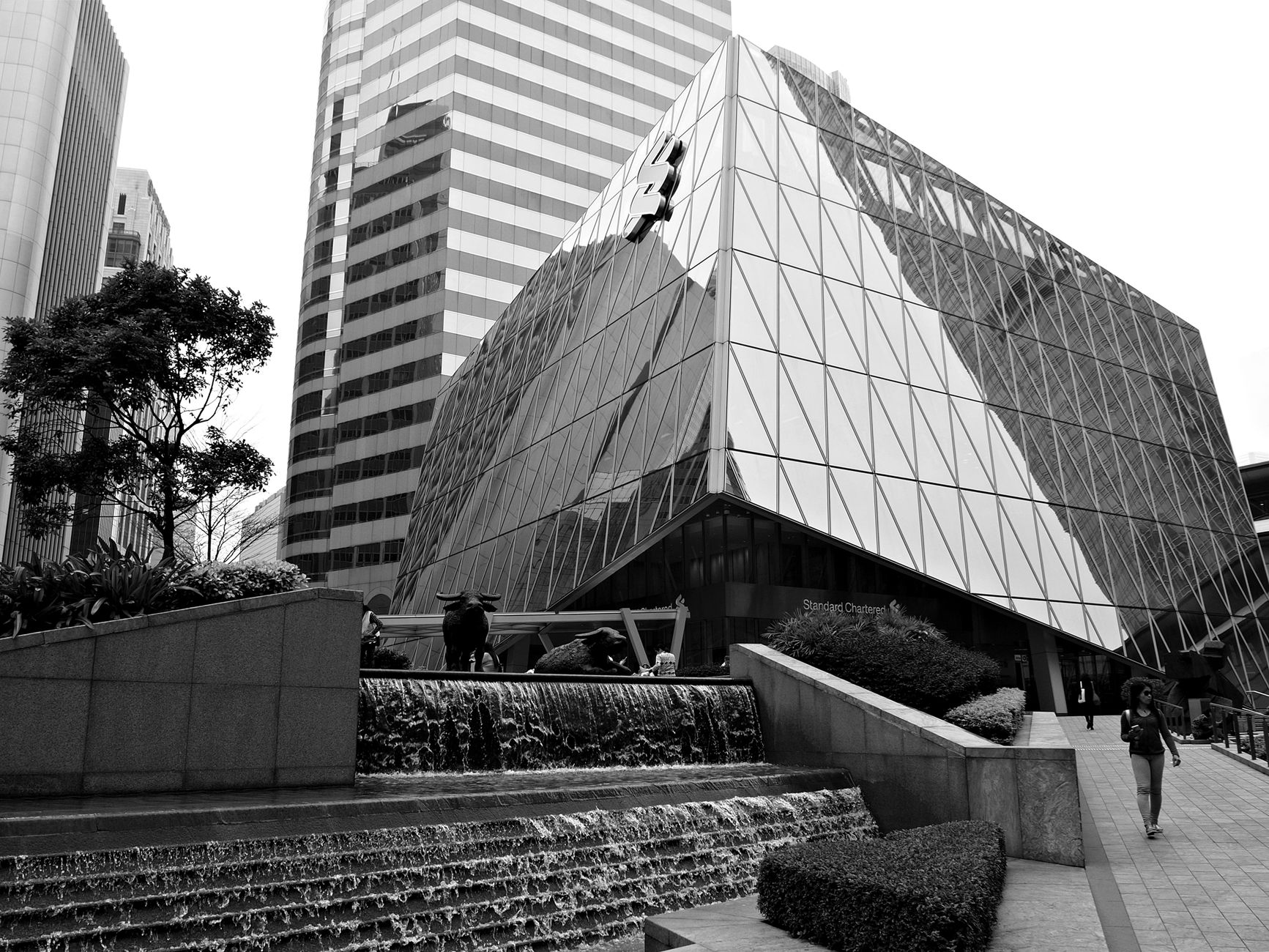
Moonshot has confidentially filed for a Hong Kong initial public offering, the moment a privately held company sells shares to institutional and retail investors and lists them on an exchange. The target window is the first quarter of 2027. The raise under discussion reaches as high as $5 billion, or €4.46 billion. Timing remains subject to change. Bank of America is coordinating the deal. China International Capital Corp, Deutsche Bank and Goldman Sachs are acting as sponsors, helping price the shares, assemble the syndicate and place the offering with buyers who have never before been able to own a stake.
Zhipu and MiniMax listed in Hong Kong in January 2026. MiniMax shares more than doubled on debut. Once listed, their shares traded at prices set in the open market rather than in closed private rounds.
DeepSeek remained private, and the capital still arriving there was larger. Liang Wenfeng founded the Hangzhou company and runs High-Flyer, the hedge fund that had supplied most of its money until this year. A round led by Tencent and battery maker CATL was closing in on between ¥80 billion and ¥100 billion, or €10.6 billion to €13.3 billion. The start-up had originally sought about ¥50 billion, roughly €6.66 billion. Strong demand could push the total toward twice that figure. The reported target valuation for the round sat near ¥500 billion, about €66.5 billion. January had already put two names onto the Hong Kong board at public prices; the DeepSeek raise was still rewriting the private ceiling. Both routes were live at once.
Moonshot has started organising early-look meetings to test investor demand, sessions that could begin in October 2026. Before a formal prospectus — the lengthy document that discloses the terms of a proposed offering — reaches a wide audience, and before the roadshow that locks in pricing, the issuer and its underwriters convene a quieter round of conversations. A limited circle of institutional investors hears the case first and signals how much capital they might commit and at what levels. Those readings help the banks gauge the value of the shares and decide how large a syndicate book can grow. No shares change hands in the early looks themselves; the meetings exist only to measure appetite. Once the shares are sold, the underwriters retain a portion of the proceeds as their fee.
The confidential stack now sits with the exchange. The private valuation is fixed. The only open test is whether public markets will clear the same fifty-billion-dollar price when the books finally open.