




EU asks China to cap hybrid exports or face higher tariffs
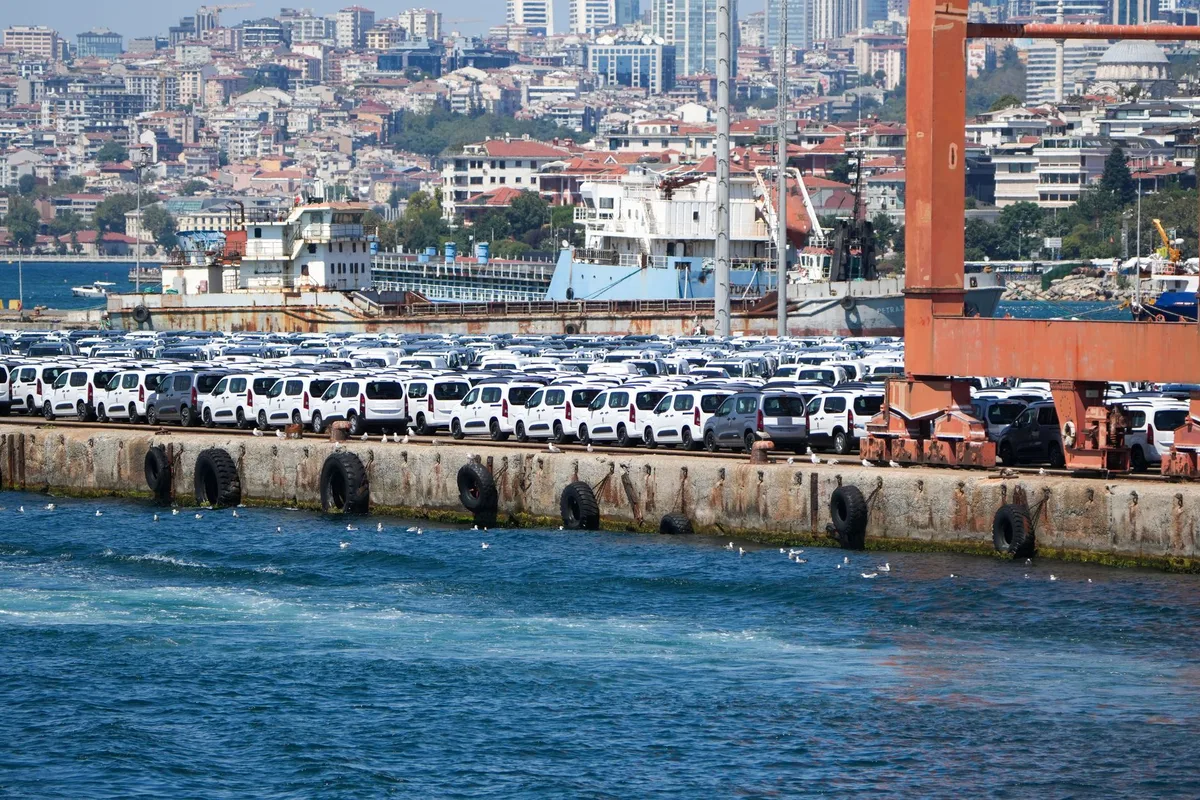
A day after Ursula von der Leyen told the European Parliament the EU-China deficit had hit a tipping point, EU officials used a Financial Times report to warn Beijing: cap Chinese hybrid vehicle exports at about 15% of the EU market, down from more than one-third, or face restrictions. Hybrid imports jumped from about 3,800 vehicles in October 2024 to roughly 50,000 in July 2026 after the EU put tariffs of up to 45% on Chinese battery-electric vehicles while hybrids stayed at a flat 10%. An FT-quoted EU official said: "If they will not limit their exports to our market then we will." "This is about stopping deindustrialisation. We have to act. It's about managed trade." Aju Press rendered a near version: "If they (China) do not limit their exports to our market, we will impose restrictions. This is to prevent deindustrialization. We must take action." Von der Leyen said the gap runs €1 billion a day and pledged: "We will mobilize all available means to rebalance this relationship. While words are important, actions are even more crucial." The 2025 goods deficit was €360.6 billion; Reuters said it widened 9% in first-half 2026. What is contested: separate outlets' phrasings of the same unnamed-official warning, not the core 15% ask. Sourcing agrees on the figures and the tariff backdrop. Next: Maroš Šefčovič wants tangible results by October and is expected in China early next month under the June three-month talks. Brussels also seeks Chinese restraint on chemicals and steel and larger Chinese purchases of EU goods. Officials cite a 1986 Japan voluntary car-export restraint that later lifted European investment; BYD is building a Hungary plant with local production planned next year.