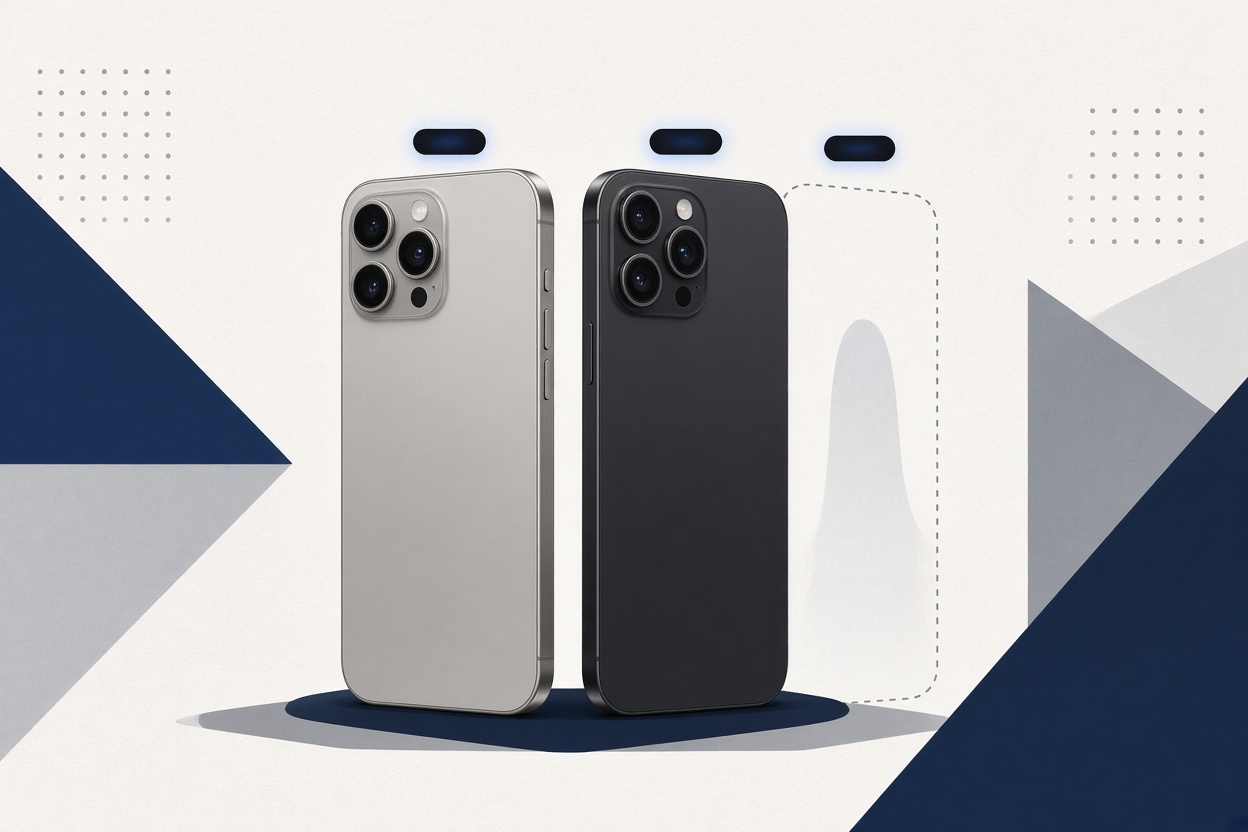



Apple reportedly cuts iPhone 18 Pro orders 15%
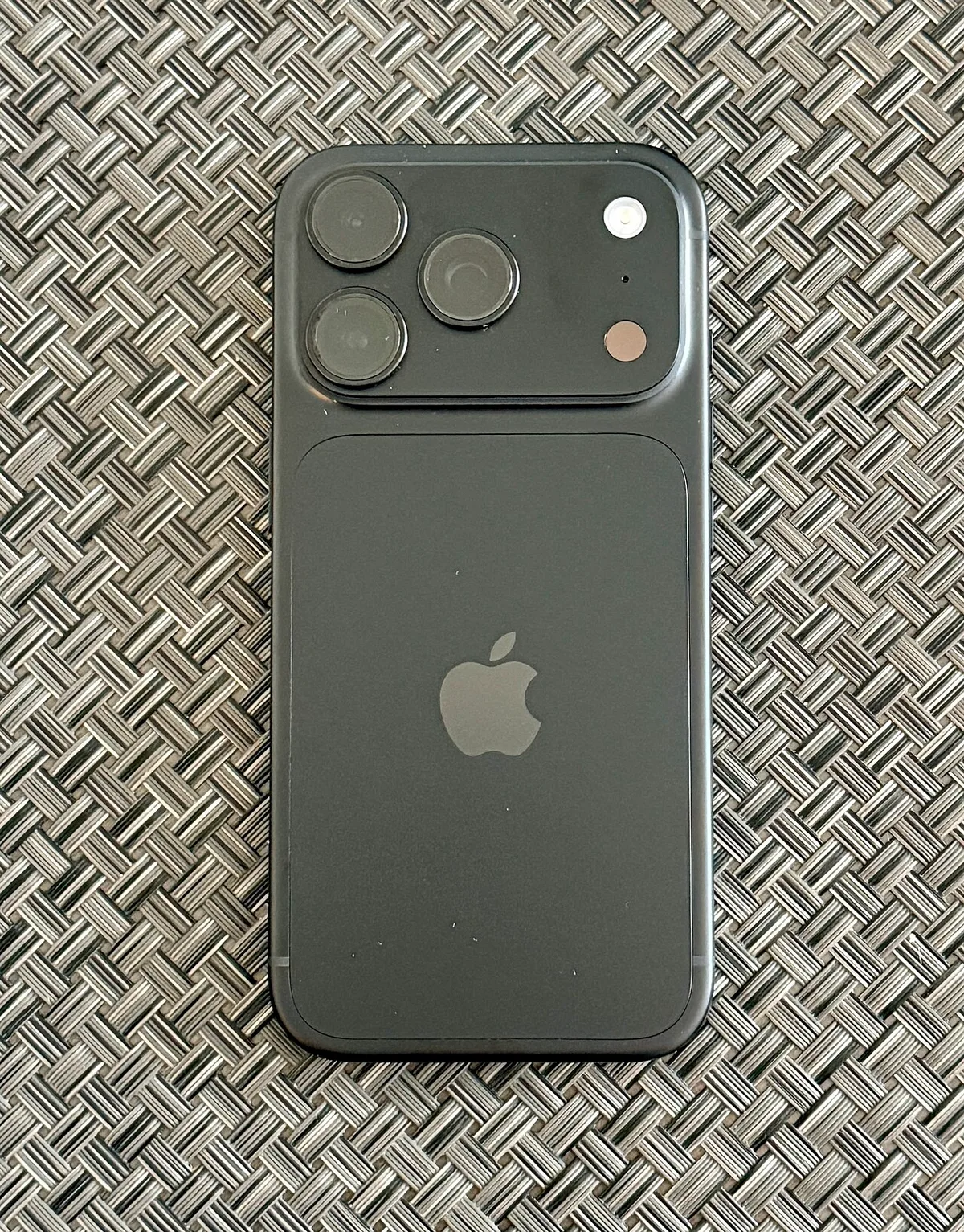
Nikkei Asia’s exclusive reached the market on October 9, 2026. Multiple unnamed sources told the outlet that Apple had instructed suppliers to cut component orders for the iPhone 18 Pro and the iPhone 18 Pro Max by at least 15 percent against the company’s original October requests. Component orders are the parts requests Apple sends upstream before phones are assembled; a reduction there is one of the earliest public signals the supply chain can throw.
One supplier went further. “In October alone, we are seeing orders from Apple reducing by 15% to 20% for both the premium models; we don't know how things would develop from here,” the unnamed supplier told the outlet. Reuters picked up the story the same day and stated it could not independently verify the claim. Apple shares fell more than 1.6 percent in premarket trading and closed down 2.22 percent, last trading at $332.94.
The two phones were Apple’s newest premium models, only weeks into their first stretch on sale. They had been announced on September 9, 2026. Pre-orders started September 12. They went on sale September 18. By early October they were three weeks into retail life, and the parts requests that supported them had already been trimmed. The Pro started at $1,199. The Pro Max started at $1,299. Each price sat $100 higher than the matching iPhone 17 Pro model a year earlier.

Sources speaking to Nikkei Asia tied the softer uptake to that $100 rise. One unnamed source, quoted to the outlet and carried by India Today, put the objection hard and short: the phones were “just too expensive for a smartphone.”
The figure covered a single month’s parts books, set against what Apple had first asked for, not against a full quarter or a finished production run. Only Apple and the suppliers who received the revised ask knew how large the original request had been.
The 2026 calendar had changed shape underneath the order books. Apple’s September premium wave brought out the iPhone 18 Pro, the iPhone 18 Pro Max, and the foldable iPhone Duo together. The standard iPhone 18 and the iPhone 18e were pushed to 2027. An unnamed supply-chain source cited by Nikkei Asia described what that did to second-half volume. “We do find the demand in terms of volume from August for the second half of this year is not as strong as previous years when all the new models are introduced all together,” the source said. A second supply-chain voice, also cited by Nikkei Asia, named the missing piece: “This year, the standard iPhone 18, which could provide a boost to volumes, will not require components until toward the end of the year, for launch in early next year 2027.”

October’s component math for the two Pro models, cut against Apple’s original requests alone, was therefore not a like-for-like reading against years when the full lineup arrived at once. The foldable sat in the same premium window. The iPhone Duo carried a price of $1,999 and was scheduled to go on sale October 23, 2026. Orders for it could not be placed until October 16, a JPMorgan note said. Between the Pro models’ September 18 launch and that October order date, the foldable stayed outside the customer order window entirely.
JPMorgan tracked delivery wait times for the iPhone 18 Pro and the iPhone 18 Pro Max across the first weeks after they reached shelves. Early reads swung week to week. The bank said those figures would not be conclusive until supplier production reports arrived in November.
AppleInsider, citing its own unnamed contacts in China, reported that whole-unit assembly orders for the iPhone 18 Pro had not been cut. Component orders and finished-unit assembly sit at different points on the line. One report described a trim in the October parts books; the other said the books for complete Pro phones were holding. The two signals refused to line up.

In China the first week ran the other way. GSMArena reported that the iPhone 18 Pro and Pro Max sold roughly 1.3 million units there, up 15 percent from the iPhone 17 Pro series. Counterpoint Research said China’s overall weekly smartphone sales had fallen at a double-digit annual rate since July 2026. A first-week gain inside a contracting market left the demand reading open. Order-cut reports had misled before. In 2013 Nikkei reported a 50 percent iPhone order cut; Apple’s subsequent quarterly results showed a 29 percent year-on-year iPhone sales gain.
No filing yet covered the phones on shelves. Apple’s 10-Q filed July 31, 2026, for the quarter ended June 27, 2026, showed net income of $29.79 billion on revenue of $109.4 billion—pre-launch figures only. Fiscal Q1 ended December 27, 2025, had produced $143.76 billion in revenue and $42.1 billion in net income, against $111.18 billion in revenue the quarter after. Seasonality explained those swings. It did not confirm or refute the October component trims.
On October 5, 2026, four days before Nikkei Asia’s report reached the market, Tim Cook sold 191,753 shares of Apple stock. Those shares were worth roughly $63.8 million. The transaction executed under a 10b5-1 trading plan Cook had adopted on May 28, 2026, MarketBeat and SEC EDGAR filings show. The plan was pre-scheduled from late May. More than four months lay between its adoption and the day the supply-chain exclusive appeared.
The SEC file still held no quarterly report covering any period after the new phones went on sale. Without that post-launch 10-Q, the October reductions in component orders had no corresponding sales line that could confirm or refute them. JPMorgan had already pointed to supplier production reports expected in November as the next conclusive signal. Shelves would clear for the $1,999 iPhone Duo on October 23. The November supplier prints came after.