



With Isaias, Nature Renders Policymaker Efforts To Impact Gas Prices Futile
For U.S. drivers, it’s a case of the old adage, "when it rains, it pours." After one of the quietest hurricane seasons on record, Hurricane Isaias comes along late in the season to disrupt a big swath of production in the Gulf of America and potentially force several Gulf Coast refineries to temporarily suspend operations.
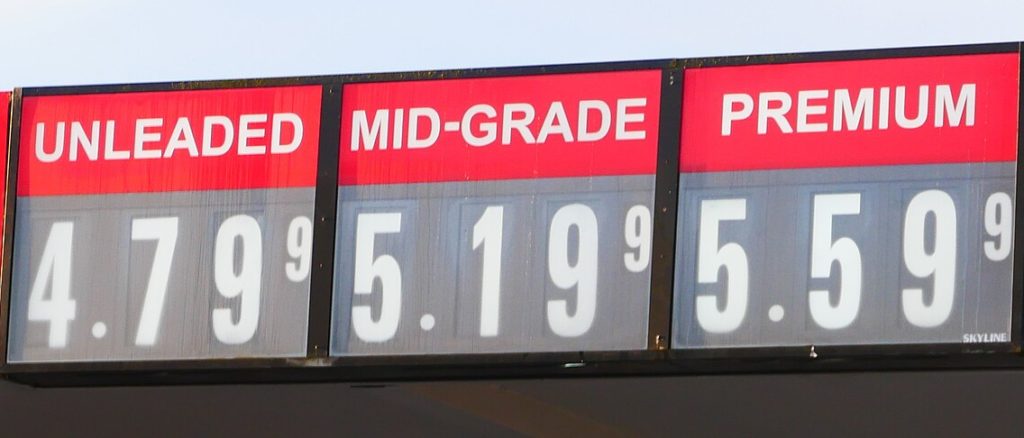

For U.S. drivers, it’s a case of the old adage, “when it rains, it pours.” After one of the quietest hurricane seasons on record, Hurricane Isaias comes along late in the season to disrupt a big swath of production in the Gulf of America and potentially force several Gulf Coast refineries to temporarily suspend operations.
The net result will be renewed upwards pressure on gasoline and diesel prices at the pump following two weeks of gradual decline from 2026 highs. The U.S. Marine Minerals Administration (MMA) said Thursday that almost a third of the 371 oil production platforms in the Gulf had been shut-in and evacuated as offshore producers invoke measures to protect personnel and infrastructure in the storm’s path.
Unfortunately for drivers and consumers, Isaias’ path takes it through some of the most productive production areas, and those shut-in platforms make up roughly 63% of total Gulf crude production. MMA estimates that for at least a few days, the storm will take roughly 1.3 million barrels of oil per day — roughly 10% of total domestic production — out of the refining and distribution supply chain. Platforms which pass initial post-storm safety inspections will come quickly back online, but those which sustain damage will be out for longer.
Less crude supply means less refined gasoline and diesel for the time being, and that in turn means pump prices will reverse the recent decline for a short period of time. It’s just the market at work.
Where refining is concerned, there is good news and bad news. The good news is that Isaias’ path is taking east of the big swath of major refinery operations along the Mississippi River from Baton Rouge through New Orleans that make up a significant portion of the vast Gulf Coast refining sector sited along the Texas and Louisiana coasts. The bad news is that a handful of refining operations do reside in the hurricane’s path.