




AP Exclusive: Lawyer for China's Zion Church seeks resettlement help while transiting through Taiwan
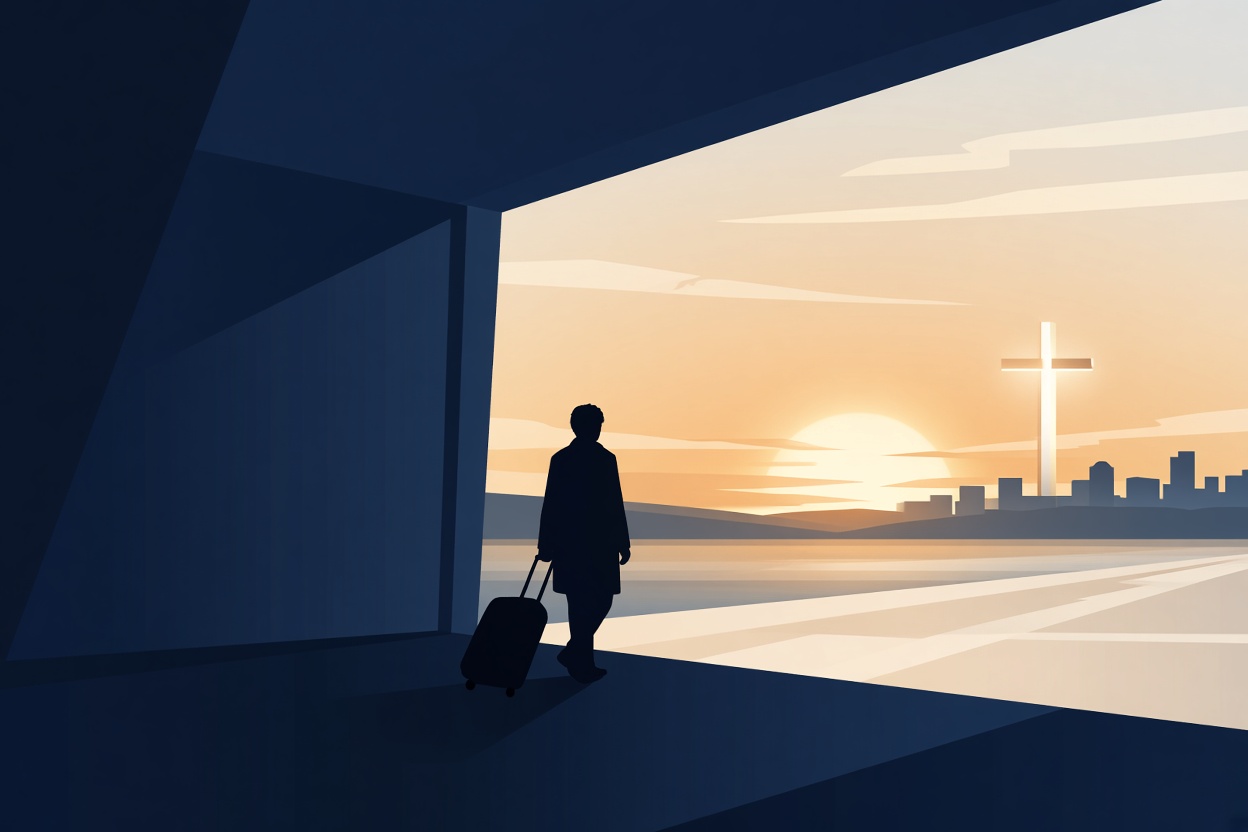
Ruth Wang stepped off the plane in Taiwan with her family on September 2, 2026, carrying only what they had packed for a summer trip. She had been on vacation in Japan when Chinese authorities phoned and asked her to meet them in Beijing. Instead of returning, she continued onward and landed in transit, now asking local officials for temporary space while she reached out to other countries for longer-term options. Wang works as a partner at VDoor Law Firm and has been part of the team representing pastors and members of Beijing’s Zion Church since October 2025. That month authorities arrested eighteen church members, including founder pastor Ezra Jin, in one of the largest single-church detentions in recent years. Jin was released two months ago after President Trump raised the case with President Xi Jinping. The firm has faced mounting restrictions. The license of founding partner Zhang Kai was revoked and he was barred from travel. Other lawyers received six-month suspensions. Judicial officials told the remaining attorneys to drop any Zion Church cases and to leave the firm. When some tried to move to new offices, they met further limits on their practice. Wang herself received direct instructions that the partners must dissolve VDoor or face closure by authorities. She described the choice in an online interview from the airport: if she refused to sign the dissolution papers, she expected serious effects on her career and daily life. The pressure on the firm has continued even after Jin’s release, showing that authorities remain focused on those connected to the unregistered congregation. Zion Church began in 2007 under Jin and now includes more than five thousand members across roughly one hundred sites in forty cities. The group meets in apartments, restaurants, and other ordinary spaces because it has never registered with the state-approved system. Wang’s legal work for its leaders placed her among lawyers who regularly encounter limits when they take on cases involving unregistered religious groups or other detainees. While waiting in the airport transit area, Taiwanese immigration allowed her family to stay temporarily but explained that the island lacks a formal refugee process for mainland Chinese applicants. Relations between Beijing and Taipei remain tense, and officials have grown cautious about security questions tied to arrivals from the mainland. Wang began contacting other governments about study or asylum routes that could let the family relocate to the United States or Canada. In the same interview Wang spoke about the Bible account of Ruth, who arrived in a new place with an uncertain future and received help from a relative named Boaz. She said she believes God will send someone to assist her family in the same way. She and her family now wait to learn where they can go next. Bob Fu of the U.S.-based ChinaAid organization noted that Wang was simply carrying out a lawyer’s ordinary duty by representing detained church leaders. He asked Taiwan to protect the family from forced return and called on other democracies to help find a safe outcome.